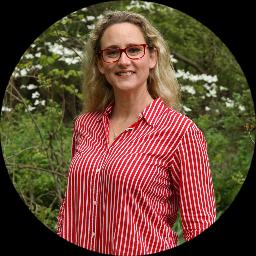
Therapist profile
Cynthia "Cindy" Chizewick, LCSW, LISW
Ohio
LCSW LISW - Anxiety and Addiction
Continue with CynthiaKey details
- CredentialsLCSW, LISW
- LicenseLISW, Ohio / I.1500616-SUPV; LCSW, Arizona / LCSW-19671
- NPI1346681905
- Experience15 years
- LanguagesEnglish
- LocationOhio
About
- Cognitive Behavioral Therapy
- Mindfulness practice
- EMDR options
About Cynthia
Cynthia "Cindy" Chizewick is an LCSW (Licensed Clinical Social Worker) and LISW (Licensed Independent Social Worker) practicing in Ohio with 15 years of experience. She works with people who struggle with stress, anxiety, depression, addiction, grief, sleep problems, anger, and major life changes. Cindy also supports those dealing with relationship and family concerns, career strain, ADHD, and the fallout from trauma.
Her approach is collaborative and practical. She and the person in therapy look at how everyday behaviors and thoughts affect mood and functioning. Sessions often focus on skills people can use right away to manage distress and to reduce unhelpful patterns. She draws on Cognitive Behavioral Therapy, Acceptance and Commitment Therapy, mindfulness, EMDR, and motivational interviewing when they fit the problem.
Cindy pays attention to problems that can feed each other, such as substance use and mood symptoms, or sleep disruption and anxiety. She talks through concrete steps for coping, relapse prevention, and improving daily routines. When trauma is present, eye movement desensitization and reprocessing (EMDR) may be considered as one option among others.
People who come because they feel stuck often look at control issues, attachment wounds, or patterns like codependency and perfectionism. Cindy works with those concerns alongside more obvious symptoms such as panic attacks, bipolar mood swings, or grief. The work combines short-term coping tools with longer term behavior changes.
Her style is straightforward and goal-focused. She helps people sort priorities, set realistic steps, and adjust strategies over time. To begin, visitors complete a matching questionnaire and schedule a first session to see how her methods fit their needs.
How sessions work
How Cindy uses CBT, ACT and EMDR in online work
Cognitive Behavioral Therapy (CBT) helps people notice patterns of thinking and behavior that keep anger and anxiety alive. It focuses on small behavior changes and simple skills to interrupt those patterns. Acceptance and Commitment Therapy (ACT) teaches people how to live by chosen values while letting unwanted thoughts guide less of their behavior. It can help when anger comes from feeling stuck or out of control.Eye Movement Desensitization and Reprocessing (EMDR) offers a different way to process distressing memories that continue to trigger strong reactions. When trauma contributes to anger, EMDR may be one tool to consider alongside talk-based methods. Each approach aims to reduce reactive responses and increase choices in how someone responds.
Finding the right approach is part of the work. Cindy will collaborate with the person to decide whether CBT, ACT, EMDR, mindfulness, or a mix fits their goals and situation. That decision is based on current needs, preferences, and how symptoms show up in daily life.
Confirm what session formats she currently offers before booking, as the biography does not list them. Online sessions can make it easier to fit therapy into a busy schedule, support shorter check-ins by phone if needed, or allow work during a lunch break when travel is difficult. Licensed professionals adapt pacing and tools so progress can happen in regular weekly work or in targeted short-term blocks.
Areas of focus
Areas of expertise
Also works with
Additional focus areas
Therapeutic approaches
Experience
15+ years
Listed in
Ohio, Arizona
Languages
English
Questions
Frequently asked questions
What concerns does she address related to anger?
She works with anger as part of stress, relationship strain, substance use, trauma, and coping with life changes.
What style of therapy does she use for temper problems?
She uses practical, skills-based approaches including Cognitive Behavioral Therapy and Acceptance and Commitment Therapy alongside mindfulness and motivational interviewing.
How long has she been practicing?
Cindy has 15 years of clinical experience supporting people with mood, addiction, trauma, and life transition concerns.
What are her credentials and where is she located?
She holds LCSW and LISW credentials and practices in Ohio.
In what language are sessions offered?
Sessions are offered in English and international clients are not currently accepted.
Which session formats are available?
Confirm current session options before booking, as the biography does not list specific formats.
How much do sessions cost?
Cost varies with location; sessions use a subscription that can be canceled at any time.
How do I get started with her practice?
Select the See online therapy options button, complete a short matching questionnaire, and schedule a first session.
Details come from information the therapist supplied to BetterHelp. A license can be checked with the state board.
Online talk therapy is not emergency care. If anyone is unsafe, use the crisis numbers.