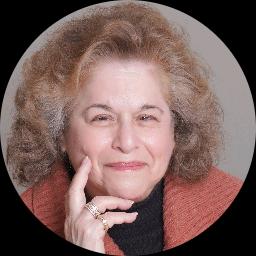
Therapist profile
Jacqueline Oshiver, LMFT, LCSW
New Jersey
LMFT and LCSW - Relationships and Anger
Continue with JacquelineKey details
- CredentialsLMFT, LCSW
- LicenseLCSW, New Jersey / 44SC00857900; LMFT, New Jersey / 37FI00197000; LMFT, Maine / MF6072; LMFT, New Mexico / CMF0217761 ; LCSW, New York / 035353; LMFT, Pennsylvania / MF000713
- NPI1427101476
- Experience40 years
- LanguagesEnglish
- LocationNew Jersey
About
About Jacqueline
Jacqueline Oshiver is a Licensed Marriage and Family Therapist (LMFT) and a Licensed Clinical Social Worker (LCSW) practicing in New Jersey. She brings 40 years of clinical experience and helps people with stress, anxiety, relationship strain, grief, depression, addictions, and anger. Jacqueline also works with concerns like ADHD, career stress, intimacy issues, and caregiver strain.
She follows a client-centered approach that keeps the relationship central. In sessions she mixes practical techniques from cognitive behavioral therapy with emotionally-focused work. That means looking at how thoughts influence feelings and also attending to interaction patterns in relationships.
Jacqueline uses mindfulness practices and imagery to help people notice body responses and calm intense emotion. She draws on motivational interviewing to support change when people feel stuck or ambivalent. Psychodynamic ideas are used when early attachment and family-of-origin issues show up in current problems.
Her work addresses specific problems such as addiction, divorce and separation, codependency, and caregiver stress. She also helps people manage anger that shows up at home or work, and the resentment that builds over time. Sessions focus on practical steps, clearer communication, and strategies to reduce reactivity.
Jacqueline’s experience includes university teaching and post-graduate training alongside long clinical practice. She frames therapy as collaborative work aimed at helping people function better in daily life and regain a steadier sense of well-being.
How sessions work
How her approaches translate to online work
Jacqueline often blends client-centered care with cognitive behavioral therapy and emotionally-focused work. Client-centered therapy prioritizes the therapeutic relationship and what the client brings to each session. CBT focuses on identifying thoughts and behaviors that keep distress going and teaching practical skills to change them. Emotionally-focused work looks at how emotions shape interactions and helps people recognize and shift repetitive patterns in relationships.Finding the right mix of approaches is part of the process. Jacqueline aims to collaborate with each person to decide which methods fit their goals and comfort level. She will review options and adjust strategies as issues like anger, grief, or addiction evolve over time.
The site’s session formats are not specified in her biography, so confirm current online session options before booking. Many people find remote sessions help fit therapy into a busy life - they can make scheduling easier, allow shorter check-ins when needed, and remove travel time so sessions can happen during a work break or between obligations. Talk with the therapist when you schedule to confirm how sessions will be delivered and what will work best for your routine.
Areas of focus
Areas of expertise
Primary focus
Also works with
Additional focus areas
Therapeutic approaches
Experience
40+ years
Listed in
New Jersey, Maine, New Mexico, New York, Pennsylvania
Languages
English
Questions
Frequently asked questions
What concerns does she address?
She works with stress, anxiety, relationship issues, grief, depression, addictions, anger, ADHD, and related areas such as caregiver stress and codependency.
What is her therapeutic style?
She practices a client-centered approach and integrates CBT, emotionally-focused work, mindfulness, motivational interviewing, and psychodynamic ideas as needed.
How long has she been practicing?
Jacqueline has 40 years of clinical experience including university teaching and post-graduate training.
What are her credentials and where does she practice?
She is an LMFT and an LCSW, licensed in New Jersey (NJ LMFT) and New York (NY LCSW), and practices out of New Jersey.
Which languages are supported?
Sessions are offered in English.
Can international clients schedule with her?
She does not accept international clients at this time.
How much do sessions cost?
Cost varies with location and sessions use a subscription model that can be canceled at any time.
How do I begin working with her?
Select the See online therapy options button, complete a short matching questionnaire, and schedule your first session.
Details come from information the therapist supplied to BetterHelp. A license can be checked with the state board.
Online talk therapy is not emergency care. If anyone is unsafe, use the crisis numbers.