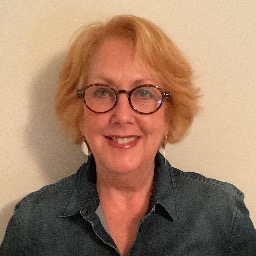
Therapist profile
Jorrene Vaughn, LMSW
Michigan
LMSW - Anger and Relationship concerns
Continue with JorreneKey details
- CredentialsLMSW
- LicenseLMSW, Michigan / 6801067409
- NPI1679520951
- Experience32 years
- LanguagesEnglish
- LocationMichigan
About
- Therapeutic relationship
- ACT and CBT ideas
- Psychodynamic listening
About Jorrene
Jorrene Vaughn is a Licensed Master Social Worker (LMSW) practicing in Michigan with 32 years of experience. She has worked in psychiatric hospitals, a Veterans Administration hospital, partial hospital programs, and outpatient private practice. She commonly helps people with depression, anxiety, trust issues, shame, and other emotional concerns.
Her background blends interpersonal, psychodynamic, and cognitive behavior approaches. She places value on the therapeutic relationship and being fully present during sessions. Jorrene says she aims to help people understand themselves and find direction rather than prescribing solutions.
Clients can expect straightforward conversations focused on what matters to them. She generally avoids giving direct orders and only occasionally offers advice. The work tends to address emotion patterns, relationship strains, and coping with life transitions.
Over decades of clinical work she has seen how a steady, genuine relationship supports progress. She draws on techniques from Acceptance and Commitment Therapy, cognitive behavioral ideas, mindfulness, and psychodynamic thinking depending on the issue. That mix informs practical steps and reflective exploration.
People seek her help for a wide range of concerns including anger, grief, addictions, intimacy and parenting challenges, career stress, and compassion fatigue. She also addresses attachment and family-of-origin matters, control and impulsivity problems, and body image or eating related issues. If you want to talk through patterns and find clearer options, she focuses on helping you do that.
How sessions work
Approaches used in online sessions
Acceptance and Commitment Therapy (ACT) focuses on identifying personal values and taking committed steps toward them while learning to notice difficult thoughts and feelings without being driven by them. It can help with anger, anxiety, and life changes by clarifying what matters and guiding small behavioral steps.Cognitive Behavioral Therapy (CBT) looks at how thoughts, feelings, and behaviors influence one another and teaches practical techniques to change unhelpful patterns. It is useful for stress, mood, impulsivity, and managing strong reactions such as anger.
Psychodynamic ideas are used to look at patterns rooted in relationships and early experiences. That can help people understand why certain reactions repeat and how to approach them differently.
Finding the best approach is a collaborative process. The therapist works with each person to try methods that fit their goals and preferences, mixing practical skill-building with reflective conversation as needed.
Confirm the specific session formats before booking since they were not detailed in the profile. Online sessions can make it easier to fit therapy into a busy life, save travel time, and allow shorter check-ins when needed. Different formats may suit different days - for example, a brief audio check-in can work on a hectic schedule while a longer session allows deeper reflection.
Areas of focus
Areas of expertise
Primary focus
Also works with
Additional focus areas
Therapeutic approaches
Experience
32+ years
Listed in
Michigan
Languages
English
Questions
Frequently asked questions
What kinds of problems does she work with?
She works with a broad set of concerns including stress, depression, anxiety, anger, relationship and intimacy issues, grief, addictions, and caregiving strain.
How would you describe her therapeutic style?
Her style emphasizes a genuine therapist-client relationship, presence, reflective listening, and practical tools drawn from CBT, ACT, mindfulness, and psychodynamic ideas.
How much clinical experience does she have?
She has 32 years of clinical experience across hospital, VA, partial hospital, and outpatient private practice settings.
What are her credentials and where does she practice?
She is an LMSW - Licensed Master Social Worker - practicing in Michigan.
Does she offer sessions in other languages or to international clients?
Sessions are offered in English and she is not currently accepting international clients.
What session formats are available?
Confirm the current session options before booking, as formats were not specified in the profile.
How are fees handled?
Cost varies with location and sessions use a subscription that can be canceled at any time.
How do I get started with her?
Select the See online therapy options button, complete a short matching questionnaire, and schedule a first session.
Details come from information the therapist supplied to BetterHelp. A license can be checked with the state board.
Online talk therapy is not emergency care. If anyone is unsafe, use the crisis numbers.