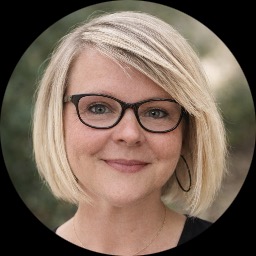
Therapist profile
Laura Smith, LCMHC
North Carolina
LCMHC in North Carolina - Anger and Relationships
Continue with LauraKey details
- CredentialsLCMHC
- LicenseLCMHC, North Carolina / 10441
- NPI1306265210
- Experience8 years
- LanguagesEnglish
- LocationNorth Carolina
About
- Stress and anxiety
- Emotion regulation
- Relationship issues
About Laura
Laura Smith is a Licensed Clinical Mental Health Counselor (LCMHC) in North Carolina with eight years of clinical experience. She works with adults who are struggling with stress, anxiety, anger, depression, relationship strain, grief, and related concerns. Sessions address everyday problems like sleep, eating, parenting stress, career pressure, and intimacy issues.
Her style is practical and conversational. She listens to what is happening now and helps people name patterns that keep repeating. Conversations focus on manageable steps clients can try between sessions, such as checking thoughts, trying different behaviors, or practicing new ways to talk about needs.
Laura uses a mix of well-established approaches rather than a single method. She draws on cognitive-behavioral ideas to spot unhelpful thinking and on dialectical-behavioral strategies to build emotional regulation skills. Family systems and narrative ideas also shape how she looks at relationship patterns and life stories.
Sessions are collaborative. The therapist and client decide together which ideas to try and when to shift course. This can mean short skills practice, role-play for difficult conversations, or working through past hurts that still affect day-to-day life.
People who contact her can expect straightforward guidance, clear suggestions, and attention to practical problems that feed anger and tension. If you want to reduce snapping, manage frustration at work, or lower built-up resentment at home, these are common themes she addresses.
How sessions work
How evidence-based methods translate to online sessions
Laura blends a few common evidence-based techniques into her online work. Cognitive-behavioral ideas focus on noticing and testing unhelpful thoughts, which helps reduce automatic anger and anxious reactions. Dialectical-behavioral strategies teach practical emotion regulation and distress-tolerance skills to manage intense feelings in the moment. She also uses family-systems and narrative perspectives to map how relationships and past stories shape current reactions. That means looking at patterns in how people speak to each other and identifying recurring roles that increase frustration. Together the therapist and client decide which approaches to try and adjust the plan as progress is made. Finding the right mix of techniques is collaborative. The therapist will ask about goals, what has or hasn’t worked before, and daily routines. From there she suggests short exercises, communication practices, or skills to try between sessions and reviews how those went at the next meeting. Confirm current session options before booking, since formats are not specified here. Online work can make it easier to fit sessions into a busy week, allow shorter check-ins when needed, and let people practice skills in real-life contexts between meetings. Licensed professionals can help identify practical steps that fit everyday schedules.Areas of focus
Areas of expertise
Primary focus
Also works with
Experience
8+ years
Listed in
North Carolina
Languages
English
Questions
Frequently asked questions
What concerns does she focus on?
She works with stress, anxiety, anger, depression, relationship and family issues, grief, intimacy concerns, sleep and eating problems, parenting strain, career stress, LGBT concerns, trauma and bipolar-related matters.
How would you describe her approach?
Her approach mixes practical techniques and talk. She helps people notice thought patterns, try new behaviors, and practice emotional regulation skills in between sessions.
What is her clinical experience?
She has eight years of experience providing counseling in clinical settings and with a range of concerns related to mood, trauma, relationships, and daily functioning.
What credentials and location are listed?
She is an LCMHC (Licensed Clinical Mental Health Counselor) practicing in North Carolina.
Which languages are supported?
Sessions are offered in English.
Does she work with international clients?
She is not currently accepting international clients.
How does payment or cost work?
Cost varies with location and services. Sessions use a subscription model that can be canceled at any time.
How do I begin a first session?
Start by selecting the See online therapy options button, complete a short matching questionnaire, and schedule a first session.
Details come from information the therapist supplied to BetterHelp. A license can be checked with the state board.
Online talk therapy is not emergency care. If anyone is unsafe, use the crisis numbers.