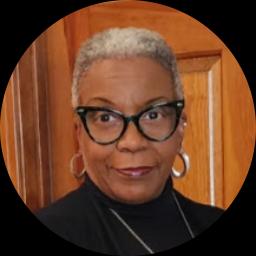
Therapist profile
Laurie Jolly, LMSW
Michigan
Licensed LMSW - Anger and Relationships
Continue with LaurieKey details
- CredentialsLMSW
- LicenseLMSW, Michigan / 6801064775
- NPI1700757267
- Experience38 years
- LanguagesEnglish
- LocationMichigan
About
- ACT and CBT
- Attachment focus
- DBT skills
About Laurie
Laurie Jolly is a Licensed Master Social Worker (LMSW) practicing in Michigan with 38 years of clinical experience. She works with adults facing stress, anxiety, family conflict, trauma and abuse, parenting challenges, relationship concerns, depression, anger, and related issues. Sessions draw on practical therapy methods to help people manage day-to-day problems and long-standing patterns.
Laurie describes clients as the experts on their own stories and looks for strengths to build on. She favors straightforward conversation and goal-focused work. Expect clear, usable strategies plus time to talk through what matters most to you.
Her approach mixes evidence-based methods such as Acceptance and Commitment Therapy (ACT) and Cognitive Behavioral Therapy (CBT) with client-centered listening. She also uses Attachment-Based ideas and Dialectical Behavior Therapy (DBT) skills when these fit the concern. That lets her address mood disorders, relationship patterns, and coping skills in practical ways.
Laurie has long experience with grief, addiction-related concerns, parenting stress, and issues tied to military service. She also supports people dealing with infidelity, communication breakdown, blended family dynamics, and caregiver stress. Those topics often come with anger, guilt, or shame, and she helps people name what’s happening and try different responses.
Sessions are offered in English and Laurie accepts international clients. The service uses a cancellable subscription for sessions; fees vary by location. To begin, use the platform’s matching questionnaire and schedule a first session to discuss goals and next steps.
How sessions work
Therapeutic approaches used in online sessions
Acceptance and Commitment Therapy (ACT) helps people notice difficult thoughts and feelings without getting ruled by them. It focuses on values and small committed actions that move life toward what matters.Cognitive Behavioral Therapy (CBT) targets thinking and behavior patterns that keep problems like anxiety, anger, and depression going. Sessions include practical exercises and experiments to test new ways of responding.
Attachment-Based ideas look at recurring relationship patterns and how early connections shape current reactions. This can be useful when anger shows up around intimacy, trust, or family conflict.
Finding the right approach is part of the work. The therapist will discuss goals and try methods that match what the client needs and prefers. That collaborative process helps choose which skills or perspectives to use over time.
The profile does not specify exact online formats, so confirm available options before booking. Online sessions can make it easier to fit therapy into workdays, reduce travel time, or choose shorter check-ins when schedules are tight. Different approaches translate well to remote work - for example, CBT homework and ACT exercises can be practiced between meetings, and DBT skills can be taught and rehearsed in session. Discuss format preferences during the first appointment to set a plan that fits everyday life.
Areas of focus
Areas of expertise
Primary focus
Also works with
Additional focus areas
Therapeutic approaches
Experience
38+ years
Listed in
Michigan
Languages
English
Questions
Frequently asked questions
What kinds of anger issues does she address?
She works with adults who notice snapping at loved ones, building resentment, or trouble managing frustration at work. Anger is treated alongside related concerns like relationship strain and stress.
What is her general therapy style?
She uses practical, goal-focused conversation and listens from a client-centered stance. Therapy combines talking with skill practice to change unhelpful patterns.
How much clinical experience does she have?
She has 38 years of clinical experience practicing in Michigan. That background includes work with trauma, depression, and family challenges.
What credential does she hold and where does she practice?
She is a Licensed Master Social Worker (LMSW) licensed in Michigan and practices under that credential.
Can I work with her if I live outside the US?
Sessions are offered to international clients. Sessions are conducted in English.
What session formats are available?
The original profile does not list specific session formats. Please confirm current session options before booking.
How are fees handled?
Fees vary with location and sessions use a subscription that can be canceled at any time. The exact cost will be provided during the signup process.
How do I begin working with her?
Begin by selecting the See online therapy options button, completing a short matching questionnaire, and scheduling a first session. The first meeting is used to set goals and plan next steps.
Details come from information the therapist supplied to BetterHelp. A license can be checked with the state board.
Online talk therapy is not emergency care. If anyone is unsafe, use the crisis numbers.