Key details
- CredentialsLMHC
- LicenseLMHC, Washington / 61086795
- NPI1669957783
- Experience3 years
- LanguagesEnglish
- LocationWashington
About
- Client-centered
- CBT and DBT
- EMDR and mindfulness
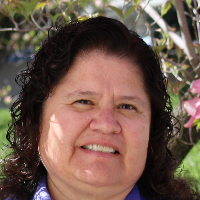
About Marion
Marion Saulque is a Licensed Mental Health Counselor (LMHC) in Washington with three years of clinical experience. She helps people dealing with stress, anxiety, addictions, trauma, depression, anger, and relationship concerns. Marion also addresses parenting, grief, intimacy-related issues, LGBT concerns, bipolar disorder, and life changes.
She moved into counseling after a career as an automotive mechanic and trained as an adult. That background shaped a practical, down-to-earth approach. Marion has worked with women in shelters and with people in substance use treatment, which influenced her understanding of trauma and survival.
Her style is client-centered and eclectic, with a bit of humor. She aims to teach small, usable skills and often offers two skills per week that people can try between sessions. Marion says those skills help only when they are practiced regularly.
Marion lists several clinical approaches she uses, including Client-Centered Therapy, Cognitive Behavioral Therapy (CBT), Dialectical Behavior Therapy (DBT), Eye Movement Desensitization and Reprocessing (EMDR), and Mindfulness Therapy. She describes herself as culturally aware and notes a Native American background and a spiritual perspective that values respect for living things.
Change is framed as challenging but possible with effort and steady work. Marion invites people to work together to manage symptoms, rebuild routines, and create a life that feels more livable.
How sessions work
How Marion blends approaches for online work
Client-Centered Therapy focuses on listening, respect, and following the person’s priorities. It’s useful for building trust, talking through frustration, and finding goals that matter to the client.Cognitive Behavioral Therapy (CBT) looks at the link between thoughts, emotions, and behavior. CBT offers concrete strategies to notice triggers, test unhelpful thoughts, and try different responses when anger or anxiety rises.
EMDR is used to address memories and reactions tied to traumatic events. When appropriate it aims to reduce the emotional charge of distressing memories and support processing of past harm.
Marion treats the choice of approach as a shared decision. She will work with the person to pick methods that fit their needs, goals, and preferences, and adjust those choices as work proceeds.
Confirm current session formats before booking, since formats are not specified in her biography. In general, online work can make it easier to fit sessions into a busy life, allow shorter check-ins when needed, and remove travel time. Discussing practicalities up front helps shape a plan that fits daily schedules and the kinds of issues someone wants to address.
Areas of focus
Areas of expertise
Also works with
Additional focus areas
Therapeutic approaches
Experience
3+ years
Listed in
Washington
Languages
English
Questions
Frequently asked questions
What kinds of concerns does she help with?
She helps people with stress, anxiety, addictions, trauma and abuse, depression, anger, relationship and intimacy issues, parenting concerns, grief, and other life changes.
What is her therapeutic style like?
Her style is client-centered and eclectic with a touch of humor. She focuses on practical skills and often teaches two skills per week to practice between sessions.
How much clinical experience does she have?
She has three years of experience working in mental health, including time supporting people in substance use treatment and women in shelters.
What credentials and location are listed?
She is a Washington LMHC (Licensed Mental Health Counselor) based in Washington state.
What languages are sessions offered in?
Sessions are offered in English.
Are international clients supported?
International clients are not currently accepted.
How does cost and payment work?
Cost varies with location and sessions use a subscription model that can be canceled at any time.
What are the first steps to start working together?
Use the See online therapy options button, complete a short matching questionnaire, and schedule a first session.
Details come from information the therapist supplied to BetterHelp. A license can be checked with the state board.
Online talk therapy is not emergency care. If anyone is unsafe, use the crisis numbers.