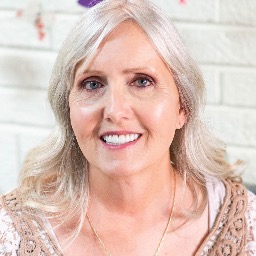
Therapist profile
Patti Hampsten, LCPC
Illinois
Licensed Clinical Professional Counselor - Anger and Addictions
Continue with PattiKey details
- CredentialsLCPC
- LicenseLCPC, Illinois / 180.003506
- NPI1871031070
- Experience3 years
- LanguagesEnglish
- LocationIllinois
About
- Client-Centered Therapy
- CBT and DBT skills
- Motivational interviewing
About Patti
Patti Hampsten is a Licensed Clinical Professional Counselor (LCPC) in Illinois with three years in her current clinical role. She works with stress, anxiety, addictions, relationship concerns, eating issues, depression, grief, anger, and related concerns. She also lists work around parenting, LGBT issues, trauma and abuse, and caregiver strain.
She begins sessions with a client-centered stance. That means she listens first, acknowledges where a person is, and avoids judgment. She commonly uses motivational interviewing early on to help clarify goals and readiness for change. From there she draws on cognitive behavioral strategies, dialectical behavioral skills, solution-focused techniques, and mindfulness tools as needed.
Patti’s background includes experience in community mental health and work as an addictions counselor. She has provided clinical supervision for problem-solving court clients, including drug court, mental health court, and veterans court. That work shaped her practical focus on coping skills and measurable steps forward.
In sessions she blends conversational, down-to-earth talk with concrete skills practice. People can expect to work on thoughts and behaviors that feed stress, to learn distress-tolerance and emotion-regulation skills, and to try short assignments between sessions. She also addresses communication problems, codependency, and family-of-origin issues with direct skill-building.
Patti emphasizes realistic goals and steady progress. She supports people who want to manage anger, handle career or midlife transitions, address substance concerns, or reduce panic and anxiety. Her approach centers on listening, clarifying goals, and practicing tools that fit everyday life.
How sessions work
How Patti’s approaches translate to online work
Client-centered therapy focuses on listening and understanding where a person is before moving forward. Online sessions can be used to talk through current problems, clarify goals, and build a collaborative plan. Cognitive Behavioral Therapy (CBT) looks at how thoughts, feelings, and behaviors connect; online sessions can guide short exercises, thought records, and behavior experiments to practice between meetings. Dialectical Behavior Therapy (DBT) supplies concrete skills for emotion regulation, distress tolerance, and interpersonal effectiveness, which can be taught, practiced, and reviewed in virtual sessions.Finding the right mix of approaches is part of the work together. The therapist will help choose which strategies fit the client’s goals, preferences, and the issues they bring. That choice is collaborative and may change as progress is made.
The biography does not specify which session formats are offered, so confirm current online options before booking. Many people find online sessions helpful for fitting appointments into work or family schedules, keeping check-ins brief when needed, and practicing skills in real-life settings between meetings. Licensed professionals can use virtual sessions to teach tools, review homework, and adjust plans without requiring travel, which often makes regular work on anger and stress management easier to maintain.
Areas of focus
Areas of expertise
Primary focus
Also works with
Additional focus areas
Therapeutic approaches
Experience
3+ years
Listed in
Illinois
Languages
English
Questions
Frequently asked questions
What kinds of concerns does she address?
Patti works with stress, anxiety, addictions, relationship and eating concerns, depression, grief, anger, self-esteem, bipolar issues, and coping with life changes among other areas.
How would you describe her therapeutic style?
She starts with a client-centered approach and uses motivational interviewing to set goals. She then incorporates CBT, DBT, solution-focused work, and mindfulness-based skills as appropriate.
What is her clinical background?
Her history includes work in community mental health and as an addictions counselor, plus clinical supervision for clients in problem-solving courts such as drug court and veterans court.
What credential does she hold and where is she located?
She holds an LCPC credential (Licensed Clinical Professional Counselor) in Illinois and provides services from that state.
In which languages are sessions offered?
Sessions are offered in English and she accepts international clients.
What session formats are available?
Please confirm current session options before booking, as the biography does not list specific formats.
How is cost handled?
Cost varies with location and sessions use a subscription model that can be canceled at any time.
How do I begin working with her?
Start by selecting the See online therapy options button, complete a short matching questionnaire, and schedule a first session.
Details come from information the therapist supplied to BetterHelp. A license can be checked with the state board.
Online talk therapy is not emergency care. If anyone is unsafe, use the crisis numbers.