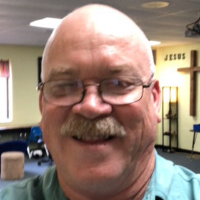
Therapist profile
Philip Nicholas, LPC
Tennessee
Licensed Professional Counselor - Anger and Trauma
Continue with PhilipKey details
- CredentialsLPC
- LicenseLPC, Tennessee / 5027
- NPI1568069524
- Experience4 years
- LanguagesEnglish
- LocationTennessee
About
- CBT techniques
- Attachment focus
- Mindfulness practice
About Philip
Philip Nicholas is a Licensed Professional Counselor (LPC) practicing in Tennessee with four years of experience. He focuses on helping people who face anger, trauma, addiction, anxiety, depression, and major life changes. Philip works with adults dealing with relationship strain, grief, parenting stress, workplace frustration, and the fallout from past attachment wounds.
Philip uses straightforward, evidence-informed methods in sessions. He listens to what is happening now and asks practical questions about patterns and triggers. Conversations often look at how thoughts, habits, and relationships feed anger or anxiety. He also helps people build day-to-day coping skills they can use between sessions.
When trauma or painful memories are central, Philip integrates approaches that address how the body and mind remember distressing events. He can guide people through steps that reduce the hold of those memories so they interfere less with daily life. For addiction and substance concerns he combines motivation-focused work with concrete relapse-prevention planning.
Philip pays attention to how early relationships shape how people manage emotion now. That perspective is useful for people who find anger linked to abandonment, attachment problems, or family of origin issues. Sessions look at patterns in current relationships as well as strategies to communicate more clearly.
He also draws on mindfulness and cognitive-behavioral techniques to help people recognize unhelpful thinking, calm intense reactions, and try different behaviors. If grief, career stress, or medical-related issues are present, he incorporates relevant coping and meaning-focused work. To begin, users can follow the platform’s matching steps and schedule a first session.
How sessions work
How his clinical approaches translate to online work
Philip brings attachment-informed work and cognitive behavioral techniques into online conversations to address anger and related issues. Attachment-based work looks at how early relationship patterns influence current reactions and helps identify repeated interaction cycles that fuel anger. Cognitive Behavioral Therapy (CBT) focuses on spotting unhelpful thoughts and testing new ways of thinking and acting to reduce intense emotional responses.Mindfulness strategies are also used to teach simple attention and breathing practices that reduce reactivity and improve concentration. These approaches can help with trauma responses, stress at work, parenting strain, and persistent resentment by creating concrete skills to use in everyday moments. Choosing the right mix of methods is part of the process; Philip collaborates with each person to decide which approaches match their goals and comfort level.
Session formats are not specified in the provided biography, so confirm current online options before booking. Online work can make it easier to fit therapy into a day off, a lunch break, or after work, and phone or shorter check-ins can be useful when bandwidth or quieter surroundings are limited. Licensed professionals commonly use a mix of talk-based sessions, skills coaching, and homework tasks that can be completed between meetings to reinforce change.
Areas of focus
Areas of expertise
Primary focus
Also works with
Additional focus areas
Therapeutic approaches
Experience
4+ years
Listed in
Tennessee
Languages
English
Questions
Frequently asked questions
What kinds of problems does he help with?
He works with anger, trauma, addiction, anxiety, depression, grief, parenting stress, relationship problems, and related concerns.
What is his therapy style like?
He uses practical, evidence-informed approaches and focuses on patterns that trigger strong emotions. Sessions combine discussion with skills practice.
How much clinical experience does he have?
Philip has four years of experience as a Licensed Professional Counselor in Tennessee.
Where is he licensed and based?
He is an LPC licensed in Tennessee and practices with that credential in that state.
Which languages are supported during sessions?
Sessions are offered in English only.
Can people outside the US work with him?
He does not accept international clients at this time.
How are sessions arranged and paid for?
Cost varies with location and sessions use a subscription that can be canceled at any time.
How do I start a first session?
Use the See online therapy options button, complete the short matching questionnaire, and schedule an initial appointment.
Details come from information the therapist supplied to BetterHelp. A license can be checked with the state board.
Online talk therapy is not emergency care. If anyone is unsafe, use the crisis numbers.