Key details
- CredentialsLMHC
- LicenseLMHC, Florida / MH12814
- NPI1457850331
- Experience15 years
- LanguagesEnglish
- LocationFlorida
About
- CBT techniques
- DBT skills
- Trauma processing
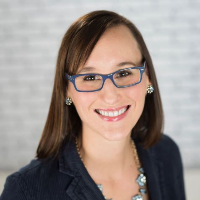
About Sarah
Sarah Watt is a Florida LMHC (Licensed Mental Health Counselor) with 15 years of experience. She works with adults dealing with stress, anxiety, addictions, trauma, grief, anger, relationship concerns, and related struggles. She also supports people facing issues like ADHD, low self-esteem, career changes, and intimacy problems.
She trained in counseling after earning a bachelor’s degree in sociology in 2003 and a master’s degree in counseling in 2007. Her clinical background spans inpatient hospital settings, community mental health, residential treatment, in-school therapy, and outpatient care. She opened a private practice in Florida in 2017 and has worked extensively with trauma, dissociation, and addiction concerns.
In sessions she uses straightforward, evidence-informed methods such as cognitive behavioral techniques and dialectical behavior approaches. She also draws on client-centered work, trauma processing methods, and relational tools to address attachment and intimacy difficulties. Conversations tend to focus on practical skills, patterns that get in the way, and steps clients can try between sessions.
People who prefer clear, direct therapeutic work often find this approach useful. She emphasizes the relationship as central and is willing to speak by phone or video so prospective clients can check the fit. That first conversation is used to clarify goals and decide which techniques to prioritize.
Sarah aims to help people reduce the hold of overwhelming feelings and build more manageable ways of responding. For someone worrying about snap reactions, simmering resentment, or anger that affects work and home life, she offers concrete strategies alongside trauma-informed care.
How sessions work
How her approaches translate to online work
Client-centered therapy focuses on listening and helping clients shape their own goals. In practice this means sessions start with what matters most to the client and build from there, useful for relationship issues, identity concerns, and general life stress.Cognitive Behavioral Therapy (CBT) looks at how thoughts, feelings, and actions influence each other. Online CBT often uses homework, thought records, and behavior experiments to reduce anxiety, manage anger, and change unhelpful habits.
Dialectical Behavior Therapy (DBT) teaches concrete skills for emotion regulation, distress tolerance, and improved interpersonal effectiveness. These skills can be practiced in session and then tried in everyday situations to reduce outbursts and reactive patterns.
Finding the right fit is part of the work. The therapist will collaborate with each client to choose which approaches to use based on goals, symptoms, and personal preferences. Early sessions are used to agree on priorities and plan practical steps.
Session formats are not listed in the biography, so confirm current online options before booking. Many people find online sessions easier to fit into work days, allow shorter check-ins when needed, and make it possible to use worksheets or skill practice between meetings. The focus is on making therapeutic techniques workable in daily life rather than promising a single fixed method.
Areas of focus
Areas of expertise
Primary focus
Also works with
Additional focus areas
Therapeutic approaches
Experience
15+ years
Listed in
Florida
Languages
English
Questions
Frequently asked questions
What kinds of problems does she address?
She works with stress, anxiety, addictions, trauma and abuse, grief, anger, relationship and intimacy concerns, sleep problems, parenting strain, ADHD, depression, bipolar issues, and related challenges.
How would you describe her therapy style?
Her style is practical and relational. She uses client-centered conversations alongside techniques from CBT and DBT to teach skills and change patterns.
How long has she practiced?
She has 15 years of clinical experience across inpatient, community mental health, residential treatment, in-school therapy, and outpatient settings.
What credential does she hold and where is she based?
She is a Florida LMHC and practices in Florida.
Are sessions available in other languages?
Sessions are offered in English.
Can I work with her from another country?
She is not currently accepting international clients.
How are sessions paid for?
Cost varies with location; sessions are provided through a subscription that can be canceled at any time.
How do I begin working with her?
Click the See online therapy options button, complete a short matching questionnaire, and schedule your first session.
Details come from information the therapist supplied to BetterHelp. A license can be checked with the state board.
Online talk therapy is not emergency care. If anyone is unsafe, use the crisis numbers.