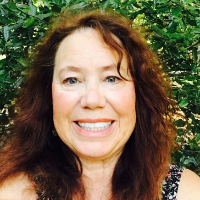
Therapist profile
Sherry Friedman, LPC, LCMHC
North Carolina
LPC and LCMHC - Anger and emotion work
Continue with SherryKey details
- CredentialsLPC, LCMHC
- LicenseLCMHC, North Carolina / 12786; LPC, South Carolina / 9015; LMHC, Rhode Island / MHC01614
- NPI1730627068
- Experience12 years
- LanguagesEnglish
- LocationNorth Carolina
About
- Attachment focus
- DBT skills
- Jungian perspective
About Sherry
Sherry Friedman is a Licensed Professional Counselor (LPC) and Licensed Clinical Mental Health Counselor (LCMHC) with 12 years of clinical experience in North Carolina. She combines counseling skills with a background in school psychology and gifted education to help people facing stress, anxiety, trauma and abuse, parenting challenges, grief, anger, mood disorders and related concerns.
Sherry uses practical tools and conversational work in sessions. She draws on client-centered listening and attachment-focused thinking to sort out what matters most. She also uses elements of dialectical behavior approaches and emotionally-focused techniques to help with emotion regulation and relationship troubles.
Her approach honors clients who identify as highly sensitive and those navigating neurodivergence alongside everyday stress. She describes therapy as a place to look at how life events, family history and personal patterns connect to present difficulties. Sessions often include reflection on communication, boundaries, and coping strategies that reduce reactivity.
Sherry has written about sensitivity and provides resources she often brings into sessions. She also references Jungian ideas about personal meaning and life purpose when people are seeking deeper self-understanding. Work in therapy can range from short-term skills for handling anger to longer work around grief, attachment, or career changes.
People who want practical conversation, reflective exercises, and clear strategies for handling anger and recurring patterns tend to find her style direct and focused. To begin, clients follow the site's matching steps and schedule an initial meeting to talk about goals and next steps.
How sessions work
How her approaches translate to online work
Attachment-Based Therapy looks at how early relationships shape current patterns. Online sessions use conversation and reflective exercises to notice attachment triggers and build different responses for relationships and anger. Client-Centered Therapy centers on listening and the client's own goals. In video or phone conversations this means the therapist follows the client's lead, clarifies concerns, and helps set practical steps for everyday situations. Dialectical Behavior Therapy (DBT) provides emotion regulation and distress tolerance skills. Online sessions can introduce short skill practices, breathing or grounding exercises, and concrete communication techniques useful for sudden frustration.Finding the right approach is something the therapist will do together with the client. She will discuss which methods feel most useful, try techniques in session, and adjust based on how effective they are for the client's goals and preferences. That collaborative process helps shape whether work focuses on skills, attachment patterns, or deeper meaning work.
The site describes how to begin but does not list specific session formats in this biography. Confirm current session options before booking. Online work can make it easier to fit sessions into busy days, allow shorter check-ins when needed, and reduce travel time so therapy fits around work or family commitments.
Areas of focus
Areas of expertise
Primary focus
Also works with
Additional focus areas
Therapeutic approaches
Experience
12+ years
Listed in
North Carolina, South Carolina, Rhode Island
Languages
English
Questions
Frequently asked questions
What kinds of problems does she help with?
She works with stress, anxiety, trauma, grief, anger, relationship and family concerns, mood disorders, and related issues like ADHD and career strain.
How would you describe her therapy style?
Her style is conversational and practical, using client-centered listening, attachment ideas, and skills from DBT and emotionally-focused work to manage strong emotions.
How much experience does she have?
She has 12 years of clinical experience and brings training in school psychology and gifted education alongside clinical counseling.
What are her credentials and where is she licensed?
She holds the credentials LPC and LCMHC and is licensed in North Carolina.
Can I work with her in a language other than English?
Sessions are offered in English.
Does she work with clients outside the United States?
International clients are not currently accepted.
How are sessions scheduled and billed?
Cost varies with location and sessions use a subscription that can be canceled at any time.
What do I need to do to start therapy?
Select the See online therapy options button, complete a short matching questionnaire, and schedule a first session to begin.
Details come from information the therapist supplied to BetterHelp. A license can be checked with the state board.
Online talk therapy is not emergency care. If anyone is unsafe, use the crisis numbers.