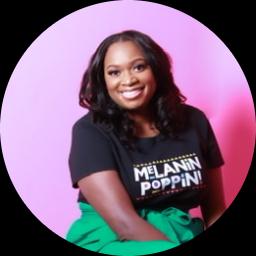
Therapist profile
Takesha Briggins, LCMHC
North Carolina
Licensed counselor - Anger and stress
Continue with TakeshaKey details
- CredentialsLCMHC
- LicenseLCMHC, North Carolina / 16045
- NPI1558002071
- Experience14 years
- LanguagesEnglish
- LocationNorth Carolina
About
- Communication skills
- Self-love work
- Resilience building
About Takesha
Takesha Briggins is a Licensed Clinical Mental Health Counselor (LCMHC) practicing in North Carolina with 14 years of clinical experience. She works with adults facing stress, anxiety, anger, low self-esteem, depression, ADHD, relationship and family concerns, trauma and abuse, and grief. Sessions focus on practical skills people can use between meetings.
Takesha emphasizes clear, culturally aware communication. She helps clients strengthen communication habits, practice self-love, and build everyday resilience. The work is collaborative and straightforward - clients set goals and learn specific techniques to manage strong feelings and recurring patterns.
Her sessions often break down problems into small, manageable steps. People are encouraged to try tools in real life and then review what worked. This hands-on rhythm aims to make change feel doable instead of overwhelming.
Takesha brings attention to how background and culture shape responses to stress and anger. She notes when intellectual disability or multicultural concerns affect coping, and adapts explanations and pacing accordingly. The aim is practical understanding rather than jargon.
Over her career she has supported people with communication problems, family problems, women’s issues, young adult challenges, and concerns around self-esteem and self-love. Her style favors direct skill-building, short-term strategies, and steady follow-through to help clients manage anger and related issues.
How sessions work
How evidence-based methods translate to online work
Takesha uses evidence-based therapeutic techniques focused on skills people can try between sessions. One common approach teaches emotion regulation and coping tools for moments of high anger. It emphasizes noticing triggers, using short grounding exercises, and practicing alternative responses in everyday situations. Another frequent method focuses on communication skills training. This involves simple role-plays and phrasing practice to reduce escalation with others and improve clarity. These practices help with workplace frustration, family tension, and strained relationships. Choosing the right approach is a collaborative process. The therapist and client review goals, try methods in session, and adjust based on what feels useful. This keeps the work practical and matched to the person’s needs and preferences. Confirm the specific online session formats before booking, since the biography does not list them. Online work can make it easier to fit sessions into a busy life, allow shorter check-ins when needed, and reduce travel time. It also lets people practice skills in their real daily routines and bring examples from home or work directly into the conversation. Licensed professionals generally adapt exercises so they translate well to remote sessions, keeping the focus on usable tools rather than long theory.Areas of focus
Areas of expertise
Primary focus
Also works with
Additional focus areas
Experience
14+ years
Listed in
North Carolina
Languages
English
Questions
Frequently asked questions
What concerns does she address related to anger?
She works with stress, anxiety, anger, relationship and family problems, trauma and grief. The focus is on managing strong emotions and improving communication.
How would she approach temper and outbursts?
She uses practical, evidence-based techniques to break down triggers and teach skills people can use in the moment. Sessions emphasize rehearsal and review of what works in daily life.
How much clinical experience does she have?
She has 14 years of experience working as a clinician in varied settings. That background informs how she helps people handle anger and related concerns.
What are her credentials and where is she based?
She is an LCMHC, which stands for Licensed Clinical Mental Health Counselor, licensed in North Carolina. Her practice is located in that state.
Which languages are supported for sessions?
Sessions are offered in English.
Does she work with international clients?
International clients are not currently accepted.
How are sessions billed and what does it cost?
Cost varies with location and sessions use a subscription model that can be canceled at any time. Specific rates are provided during intake and depend on the chosen plan.
How do I begin therapy with her?
Start by selecting the See online therapy options button, complete a short matching questionnaire, and schedule a first session. That process connects you and sets up the initial meeting.
Details come from information the therapist supplied to BetterHelp. A license can be checked with the state board.
Online talk therapy is not emergency care. If anyone is unsafe, use the crisis numbers.