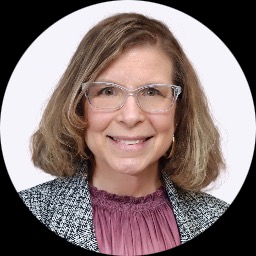
Therapist profile
Tara Huber, LMHC, LPC
Missouri
Licensed counselor - Anger and relationships
Continue with TaraKey details
- CredentialsLMHC, LPC
- LicenseLPC, Missouri / 2007021204; LMHC, Iowa / 106345
- NPI1902096654
- Experience19 years
- LanguagesEnglish
- LocationMissouri
About
- CBT techniques
- DBT skills
- EMDR for trauma
About Tara
Tara Huber is a Licensed Professional Counselor in Missouri and a Licensed Mental Health Counselor in Iowa with 19 years of experience. She works with adults facing stress, anxiety, relationship problems, trauma and abuse, depression, ADHD, addictions, grief, parenting strains, and anger among other concerns.
She meets people where they are and keeps things straightforward. Sessions focus on identifying unhelpful thoughts and patterns, and on building concrete skills to manage reactions. Tara combines practical tools with attention to personal strengths so clients can take small, manageable steps forward.
Her work uses a mix of approaches including client-centered conversations, cognitive behavioral techniques, dialectical behavior strategies, EMDR for trauma, and elements of the Gottman Method for relationship work. That mix lets her match methods to the problem at hand and to what the individual prefers.
She helps people with relationship communication, parenting pressures, coping with life changes, and long-standing patterns such as codependency or avoidance. Tara also supports clients dealing with grief, body image, adoption and foster care issues, and substance-related concerns.
In sessions she talks through what’s been happening, highlights patterns that feed anger or anxiety, and practices new responses. The emphasis is on practical strategies clients can use between meetings to reduce reactivity and improve everyday functioning.
How sessions work
How therapeutic approaches translate to online work
Client-Centered Therapy focuses on listening and collaboration. In practice this means the therapist asks open questions, reflects what she hears, and helps people name what matters most so they can make clear choices. Cognitive Behavioral Therapy, or CBT, looks at the thoughts and behaviors that keep patterns in place and teaches concrete exercises to change them, which is useful for anger, anxiety, and mood problems.Dialectical Behavior Therapy, or DBT, offers skills for managing strong emotions, tolerating distress, and improving interpersonal effectiveness. DBT skill practice can be blended into sessions alongside CBT and client-centered conversation when emotion regulation or impulsive reactions are a concern.
Figuring out which approach fits best is part of the work. The therapist will talk with the client about goals, preferences, and what has or has not helped before. Together they decide whether to prioritize skills practice, trauma-focused work, or relationship-focused interventions.
The biography does not list specific session formats, so confirm the available options before booking. Online sessions can make it easier to fit therapy into a busy schedule, allow shorter check-ins when needed, and remove travel time. Licensed professionals can adapt exercises, homework, and skill coaching to remote sessions to help clients manage anger, communication, and coping between meetings.
Areas of focus
Areas of expertise
Primary focus
Also works with
Additional focus areas
Therapeutic approaches
Experience
19+ years
Listed in
Missouri, Iowa
Languages
English
Questions
Frequently asked questions
What kinds of problems does she address related to anger?
She works with anger connected to stress, relationship conflicts, parenting strain, resentment, and related issues such as addiction and grief.
How would she approach temper and reactivity in sessions?
She uses practical, skills-based work such as cognitive behavioral and dialectical behavior techniques to identify triggers and teach new ways to respond.
How long has she been practicing?
She has 19 years of clinical experience working with adults on a wide range of emotional and behavioral concerns.
What are her credentials and where is she based?
She holds LMHC and LPC credentials and practices from Missouri with licensure also in Iowa.
Does she work in languages other than English or with international clients?
Sessions are offered in English and she accepts international clients.
What session formats are available?
The original biography does not list specific session formats; confirm current session options before booking.
How is cost handled for sessions?
Cost varies with location and sessions use a subscription model that can be canceled at any time.
What are the first steps to begin working together?
Use the See online therapy options button, complete a short matching questionnaire, and schedule a first session.
Details come from information the therapist supplied to BetterHelp. A license can be checked with the state board.
Online talk therapy is not emergency care. If anyone is unsafe, use the crisis numbers.