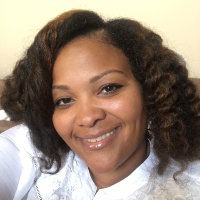
Therapist profile
Thandi Wells, LPC, LCPC
Alabama
LPC and LCPC - Anger and relationship work
Continue with ThandiKey details
- CredentialsLPC, LCPC
- LicenseLPC, Alabama / LPC03472; LCPC, Maine / CC6681
- NPI1801319892
- Experience8 years
- LanguagesEnglish
- LocationAlabama
About
- CBT for thought patterns
- DBT emotion skills
- Gottman communication work
About Thandi
Thandi Wells is a Licensed Professional Counselor (LPC) and a Licensed Clinical Professional Counselor (LCPC) practicing in Alabama with eight years of experience. She works with people facing stress, anxiety, addictions, trauma and abuse, depression, relationship challenges, parenting pressures, anger, and other life changes. Sessions are conducted in English and she does not accept international clients.
Thandi began her career as a case manager in substance abuse and moved into roles as a primary therapist and program director. That background informs her practical approach to addiction and co-occurring issues. She draws on direct experience helping people manage cravings, rebuild routine, and address communication problems that fuel relapse.
Her working style combines clear, client-centered listening with actionable skills. She uses cognitive behavioral techniques to spot unhelpful thinking and DBT skills to manage strong emotions. Acceptance and Commitment Therapy ideas are woven in to help people clarify values and take workable steps toward them.
Thandi emphasizes education and what she calls empathetic confrontation. That means she challenges unhelpful patterns while teaching tools people can use right away. Expect short, focused teaching moments alongside reflective conversation.
She also incorporates relationship-focused methods such as principles from the Gottman Method to address conflict and improve communication. Her aim is to help people reduce reactivity, repair trust, and handle anger with clearer strategies.
People who reach out usually want straightforward techniques and real-world practice. To begin, the site matching process is used to schedule a first session after completing a short questionnaire.
How sessions work
How her approaches translate to online sessions
Acceptance and Commitment Therapy (ACT) focuses on clarifying personal values and taking small committed steps toward them. In practice that can help with anger by identifying what matters most and spotting actions that align with those values. Cognitive Behavioral Therapy (CBT) looks at the link between thoughts, feelings, and behaviors. It helps people notice thoughts that escalate anger and practice different responses. Dialectical Behavior Therapy (DBT) offers specific emotion-regulation and distress-tolerance skills useful when anger feels overwhelming.Finding the right approach is part of the work. Thandi will discuss which methods fit a person's goals and needs and adapt sessions as those needs change. The decision is collaborative and based on what helps reduce reactivity and improve daily functioning.
The therapist biography does not list session formats, so confirm the available options before booking. Many people find online sessions helpful for fitting therapy into a workday, squeezing in a short check-in, or avoiding travel time. Others prefer longer sessions that allow skills practice and role play. Talk with the therapist during the matching process about session length, pacing, and practical arrangements to make therapy fit everyday life.
Areas of focus
Areas of expertise
Also works with
Additional focus areas
Therapeutic approaches
Experience
8+ years
Listed in
Alabama, Maine
Languages
English
Questions
Frequently asked questions
What kinds of concerns does she help with?
She works with stress, anxiety, addictions, trauma and abuse, depression, anger, relationship and parenting issues, and related topics listed in her profile.
What is her therapeutic style?
She blends client-centered listening with practical teaching, using CBT, DBT, ACT ideas, and Gottman-informed work to address emotion and communication.
How much experience does she have?
She has eight years of experience, including roles as a case manager, primary therapist, and program director in substance abuse work.
What credentials and location are on record?
She holds LPC and LCPC credentials and practices in Alabama.
Which languages are supported and can international clients join?
Sessions are offered in English. International clients are not accepted at this time.
What session formats are available?
The original biography does not specify session formats. Please confirm current session options before booking.
How does pricing work?
Cost varies with location and sessions use a subscription that can be canceled at any time.
How do I get started with a first session?
Select the See online therapy options button, complete a short matching questionnaire, and schedule your first session.
Details come from information the therapist supplied to BetterHelp. A license can be checked with the state board.
Online talk therapy is not emergency care. If anyone is unsafe, use the crisis numbers.