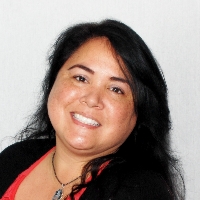
Therapist profile
Victoria Scott, LPC
Mississippi
Licensed Professional Counselor - Anger and Anxiety
Continue with VictoriaKey details
- CredentialsLPC
- LicenseLPC, Mississippi / 2071; LPC, Colorado / 17177; LCMHC, North Carolina / 18165; LPC, Alabama / LPC04795; LPC, Louisiana / 9230; LPC, Georgia / LPC013472; LPC, Virginia / 0701012094; LPC, Texas / 89705; LPC, South Dakota / LPC20848; LPC, Arizona / LPC-22150; LMHC, Washington / LH61409532
- NPI1134588999
- Experience11 years
- LanguagesEnglish
- LocationMississippi
About
- CBT
- DBT
- Mindfulness
About Victoria
Victoria Scott is a Licensed Professional Counselor (LPC) with 11 years of experience based in Mississippi. She works with adults who are dealing with stress, anxiety, depression, anger, addiction, relationship strain, parenting challenges, and trauma or abuse. She also supports people facing career changes, grief, intimacy issues, and attention-related concerns such as ADHD.
Her approach is person-centered, which means she centers conversations on the client's experience and priorities. She uses practical therapy styles like Cognitive Behavioral Therapy (CBT) and Dialectical Behavior Therapy (DBT) alongside Acceptance and Commitment Therapy (ACT) and mindfulness tools. Sessions aim to identify unhelpful patterns and build more useful habits over time.
Victoria draws on many years in community mental health settings and a broad caseload. That experience includes work with addictions, co-occurring conditions, and people managing complex family situations. She also has personal insight into autism through family experience, which informs how she listens and plans treatment.
In sessions she creates a plan of care with measurable steps. Expect a mix of talk, practical strategies, and skills practice that targets the concerns you bring. She frames goals around concrete changes - better sleep, calmer reactions, clearer boundaries, or steadier moods.
As a mother and counselor, she emphasizes respect and unconditional positive regard. The next step is a short matching questionnaire and scheduling a first session to begin shaping the plan together.
How sessions work
How her approaches translate to online work
Acceptance and Commitment Therapy (ACT) focuses on noticing thoughts and values, then taking committed action toward what matters. It can help when anger or avoidance gets in the way of relationships or goals. Cognitive Behavioral Therapy (CBT) breaks down how thoughts, feelings, and behaviors interact and teaches skills to change patterns that worsen anxiety, depression, or anger. Dialectical Behavior Therapy (DBT) adds skills for managing strong emotions, improving distress tolerance, and strengthening interpersonal effectiveness.Finding the best approach is part of the work. The therapist will review your concerns, goals, and preferences and collaboratively pick which methods to use. That plan can shift over time based on what helps you make small, practical changes.
Confirm which session formats are currently offered before booking. The practical benefits of remote work include easier scheduling around work and family, shorter check-ins when needed, and the ability to choose quieter surroundings or lower-bandwidth options if that helps. Many people find online sessions fit better into a busy week while still allowing focused skill practice and real-time coaching on reactions such as anger and frustration.
Areas of focus
Areas of expertise
Primary focus
Also works with
Additional focus areas
Therapeutic approaches
Experience
11+ years
Listed in
Mississippi, Colorado, North Carolina, Alabama, Louisiana, Georgia, Virginia, Texas, South Dakota, Arizona, Washington
Languages
English
Questions
Frequently asked questions
What kinds of concerns does she help with?
She works with stress, anxiety, depression, anger, addiction, relationship and parenting issues, trauma, and related concerns such as ADHD and grief.
What is her general therapy style?
Her style is person-centered, focusing conversations on the client's experience and priorities while using practical methods to change unhelpful patterns.
How much experience does she have?
She has 11 years of experience working across mental health settings with individuals, couples, families, and groups.
What are her credentials and location?
She is a Licensed Professional Counselor (LPC) practicing in Mississippi with licensure in Georgia and Alabama also listed.
Which languages are sessions offered in?
Sessions are offered in English, and she accepts international clients.
What session formats are available?
Please confirm current session options before booking by checking the online therapy options button and the platform details.
How does pricing work?
Cost varies by location; sessions use a subscription that can be canceled at any time.
How do I begin a first session?
Select the See online therapy options button, complete a short matching questionnaire, and schedule a first session.
Details come from information the therapist supplied to BetterHelp. A license can be checked with the state board.
Online talk therapy is not emergency care. If anyone is unsafe, use the crisis numbers.