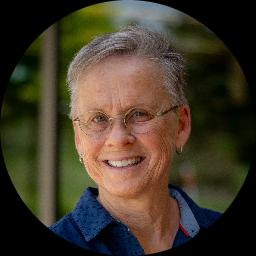
Therapist profile
Alaine Lagasse, LPC, LPCC
Minnesota
Licensed Professional Counselor - Anger and Trauma
Continue with AlaineKey details
- CredentialsLPC, LPCC
- LicenseLPC, Alaska / 121549; LPCC, Minnesota / 5085
- NPI1871141077
- Experience12 years
- LanguagesEnglish
- LocationMinnesota
About
About Alaine
Alaine Lagasse is a Licensed Professional Counselor (LPC) and Licensed Professional Clinical Counselor (LPCC) with 12 years of experience practicing in Minnesota. She has a background working with people who face stress, anxiety, addictions, trauma and abuse, anger, depression, relationship and family concerns, grief, sleep problems, low self-esteem, bipolar disorder, life changes, and ADHD. Sessions are held in English and she does not take international clients.
Alaine previously worked as a readjustment counselor helping veterans move from military to civilian life. That role involved supporting people with combat-related and sexual trauma, depression, anxiety, substance concerns, and career transitions. She has also provided counseling to people from many backgrounds who have experienced physical or emotional trauma or abuse.
Her style is interactive and direct. She favors honest conversation and practical steps over long abstractions. She combines cognitive behavioral techniques with mindfulness practices and acceptance and commitment ideas to help people notice what matters and act on it.
Alaine also uses client-centered listening and motivational interviewing to help people clarify goals and find their own reasons to change. In sessions she will talk through choices, identify patterns that keep problems going, and work on specific skills for emotion regulation and communication.
She lists additional focus areas including aging and geriatric issues, blended family challenges, caregiver stress, codependency, domestic violence, addiction, family of origin problems, guilt and shame, infidelity, isolation, and coping with co-morbidity. To begin, readers are asked to follow the site process to match and schedule an initial session.
How sessions work
Therapeutic approaches and working online
Acceptance and Commitment Therapy (ACT) helps people clarify what matters to them and take action consistent with those values. It focuses on accepting difficult thoughts and feelings while committing to practical behavior changes that support chosen goals. Cognitive Behavioral Therapy (CBT) looks at the links between thoughts, feelings, and behaviors and uses structured exercises to change unhelpful patterns. CBT is often used for anxiety, depression, and managing strong emotional reactions. Mindfulness Therapy teaches simple attentional and breathing practices to reduce reactivity and increase awareness of bodily and emotional signals.Finding the right blend of approaches is part of the work. The therapist will collaborate with the client to choose methods that match their goals, preferences, and everyday constraints. That means trying techniques, seeing what helps, and adjusting the plan together rather than following a fixed script.
Confirm the specific session formats before booking since this profile does not list them. Online work can make it easier to fit appointments into a busy schedule, allow shorter check-ins when needed, and reduce travel time. Licensed professionals can use conversational techniques, skill practice, and homework just as they would in person, which helps people carry new habits into daily life.
Areas of focus
Areas of expertise
Primary focus
Also works with
Additional focus areas
Therapeutic approaches
Experience
12+ years
Listed in
Alaska, Minnesota
Languages
English
Questions
Frequently asked questions
What kinds of anger issues does she work with?
She works with anger along with related concerns such as stress, relationship conflict, resentment, and irritation that affects daily life.
What is her therapeutic style like?
Her approach is interactive and somewhat direct, using clear conversation and practical strategies rather than vague talk.
How long has she been practicing?
She has 12 years of clinical experience, including work as a readjustment counselor for veterans and counseling people affected by trauma and abuse.
What are her credentials and where is she based?
She holds LPC and LPCC credentials and practices in Minnesota with licensure noted as AK LPC and MN LPCC.
Can I work with her if I live outside the United States?
Sessions are conducted in English and she does not accept international clients at this time.
What session formats are available?
Please confirm current session options before booking since the profile does not list specific formats on this page.
How is cost handled for sessions?
Cost varies with location and sessions use a subscription model that can be canceled at any time.
How do I begin working with her?
Use the See online therapy options button, complete the short matching questionnaire, and schedule a first session.
Details come from information the therapist supplied to BetterHelp. A license can be checked with the state board.
Online talk therapy is not emergency care. If anyone is unsafe, use the crisis numbers.