
Kelley Sullivan
LCSWColorado · 19 yrs exp
LCSW - Anger and relationship work
Stress, Anxiety · Relationship · Trauma and abuse · Grief · +12 more
Read profileTherapist listings are provided by BetterHelp. We will earn a commission at no additional cost to you if you use our links to purchase.
Use this page to compare profiles by focus areas, treatment approaches, credentials, languages and listed location. Browse profiles to find clinicians who list Men's Issues and anger among their specialties and read how they describe their work.
Colorado · 19 yrs exp
LCSW - Anger and relationship work
Stress, Anxiety · Relationship · Trauma and abuse · Grief · +12 more
Read profile
South Carolina · 16 yrs exp
LMFT focusing on relationships and anger
Stress, Anxiety · Relationship · Family · Parenting · +14 more
Read profile
Massachusetts · 23 yrs exp
LMHC - Anger and Relationship concerns
Addictions · LGBT · Relationship · Intimacy-related issues · +12 more
Read profile
New York · 9 yrs exp
LMHC in New York - Anger and Relationships
Addictions · LGBT · Intimacy-related issues · Depression · +9 more
Read profile
Florida · 25 yrs exp
LMHC in Florida - Anger and Emotional Health
Stress, Anxiety · Family · Grief · Self esteem · +12 more
Read profile
New York · 5 yrs exp
Licensed Mental Health Counselor - Anger and Mood
Stress, Anxiety · LGBT · Trauma and abuse · Bipolar · +12 more
Read profile
Arizona · 23 yrs exp
LPC and LMHC - Stress and Anger concerns
Stress, Anxiety · Self esteem · Depression · Coping with life changes · +16 more
Read profile
Rhode Island · 18 yrs exp
Licensed mental health counselor - Anger and relationships
Stress, Anxiety · Relationship · Trauma and abuse · Grief · +12 more
Read profile
Illinois · 20 yrs exp
Licensed Clinical Professional Counselor - Anger and Mood
Stress, Anxiety · LGBT · Anger · Self esteem · +12 more
Read profile
Florida · 26 yrs exp
Florida LMHC - Anger and Stress support
Relationship · Grief · Self esteem · Depression · +13 more
Read profile
Missouri · 16 yrs exp
LCSW - Anger and Emotional Regulation
Stress, Anxiety · Trauma and abuse · Self esteem · Bipolar · +12 more
Read profile
North Carolina · 10 yrs exp
Licensed clinical social worker - Anger and relationships
Stress, Anxiety · Relationship · Family · Bipolar · +16 more
Read profile
Tennessee · 15 yrs exp
LCSW - Anger and Trauma support
Stress, Anxiety · LGBT · Family · Trauma and abuse · +16 more
Read profile
Missouri · 7 yrs exp
LPC in Missouri - Anger and Addiction focus
Stress, Anxiety · Addictions · Relationship · Self esteem · +13 more
Read profile
Texas · 11 yrs exp
Licensed Professional Counselor - Anger and Relationships
Stress, Anxiety · Relationship · Family · Parenting · +9 more
Read profile
Illinois · 10 yrs exp
Licensed Clinical Professional Counselor - Anger and Relationships
Stress, Anxiety · LGBT · Relationship · Trauma and abuse · +10 more
Read profile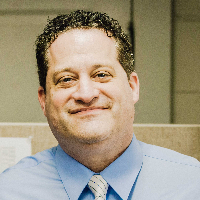
Florida · 12 yrs exp
Licensed Marriage and Family Therapist - Anger and Trauma
Stress, Anxiety · Addictions · Relationship · Family · +15 more
Read profile
Missouri · 14 yrs exp
Licensed Professional Counselor - Anger and Stress
Stress, Anxiety · Self esteem · Career · Depression · +13 more
Read profile
California · 8 yrs exp
LMFT - Anger and relationships
Stress, Anxiety · Addictions · Relationship · Self esteem · +15 more
Read profile
Montana · 16 yrs exp
LCPC counselor - Anger and relationship concerns
Stress, Anxiety · Relationship · Self esteem · Depression · +11 more
Read profile
South Dakota · 12 yrs exp
Licensed counselor - Anger and relationships
Stress, Anxiety · Relationship · Family · Trauma and abuse · +13 more
Read profile
Arizona · 30 yrs exp
Licensed counselor - anger and trauma focus
Stress, Anxiety · Trauma and abuse · Self esteem · Career · +11 more
Read profile
Michigan · 15 yrs exp
Licensed Professional Counselor - Anger and Relationship Support
Stress, Anxiety · Relationship · Family · Trauma and abuse · +9 more
Read profile
New Jersey · 8 yrs exp
LCSW - Anger and anxiety support
Stress, Anxiety · Relationship · Trauma and abuse · Bipolar · +14 more
Read profile
Texas · 23 yrs exp
Licensed Professional Counselor - Anger and Relationships
Stress, Anxiety · Relationship · Self esteem · Career · +11 more
Read profile
Pennsylvania · 6 yrs exp
Licensed Professional Counselor - Anger and Anxiety
Stress, Anxiety · LGBT · Relationship · Self esteem · +15 more
Read profile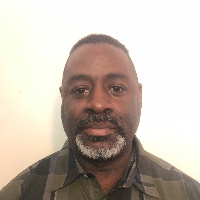
Texas · 6 yrs exp
Licensed Professional Counselor - Trauma and Mood Concerns
Stress, Anxiety · Trauma and abuse · Depression · Grief · +4 more
Read profile
Texas · 33 yrs exp
LCSW - Relationships and Anger
Stress, Anxiety · Relationship · Family · Self esteem · +11 more
Read profile
Georgia · 3 yrs exp
LPC counselor - Anger and relationships
Stress, Anxiety · Relationship · Family · Intimacy-related issues · +6 more
Read profile
Virginia · 13 yrs exp
Licensed Professional Counselor - Anger and Anxiety
Stress, Anxiety · Anger · Self esteem · Depression · +9 more
Read profile
Georgia · 12 yrs exp
Licensed Professional Counselor - Anger and Mood
Stress, Anxiety · Addictions · Trauma and abuse · Anger · +1 more
Read profile
Louisiana · 14 yrs exp
Licensed Professional Counselor - Anger and Parenting
Stress, Anxiety · Parenting · Anger · Self esteem · +1 more
Read profile
Ohio · 17 yrs exp
Ohio LISW - Stress and Anger
Stress, Anxiety · Family · Parenting · Depression · +12 more
Read profile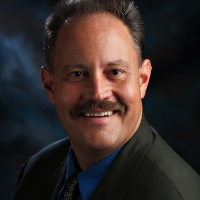
Louisiana · 25 yrs exp
Licensed counselor - Anger and trauma
Addictions · Relationship · Family · Trauma and abuse · +11 more
Read profile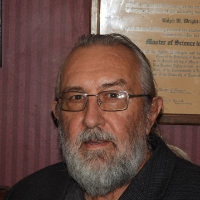
North Carolina · 30 yrs exp
Licensed Clinical Social Worker - Anger and Stress
Stress, Anxiety · Family · Trauma and abuse · Parenting · +7 more
Read profile
New York · 15 yrs exp
LCSW - Anger and Relationship concerns
Stress, Anxiety · Addictions · Relationship · Self esteem · +10 more
Read profile
Kansas · 17 yrs exp
Licensed counselor - Anger and Relationships
Stress, Anxiety · Relationship · Family · Anger · +10 more
Read profile
Mississippi · 36 yrs exp
LCSW - Anger and Family Concerns
Family · Parenting · Anger · Self esteem · +11 more
Read profile
Florida · 28 yrs exp
LCSW in Florida - Anger and Stress work
Stress, Anxiety · Addictions · Trauma and abuse · Self esteem · +13 more
Read profile
North Carolina · 8 yrs exp
LCSW - Anger and Stress concerns
Stress, Anxiety · Trauma and abuse · Parenting · Anger · +8 more
Read profile
New York · 25 yrs exp
LCSW - Anxiety and Anger support
Stress, Anxiety · Grief · Anger · Self esteem · +6 more
Read profile
Michigan · 6 yrs exp
Licensed Professional Counselor - Anger, Relationships
Stress, Anxiety · Relationship · Self esteem · Depression · +7 more
Read profile
Ohio · 16 yrs exp
Ohio LPCC - Anger and Life Changes
Stress, Anxiety · Depression · Coping with life changes · Addictions · +11 more
Read profile
Nevada · 10 yrs exp
LCPC in Nevada - Anger and Relationships
Stress, Anxiety · Trauma and abuse · Parenting · Self esteem · +15 more
Read profile
Michigan · 14 yrs exp
LICSW focused on anger and stress
Stress, Anxiety · Addictions · Family · Trauma and abuse · +12 more
Read profile
Texas · 8 yrs exp
Licensed counselor - anger and trauma
Stress, Anxiety · Addictions · Trauma and abuse · Self esteem · +11 more
Read profile
Missouri · 22 yrs exp
Licensed counselor - Anger and mood concerns
Stress, Anxiety · Family · Trauma and abuse · Grief · +13 more
Read profile
North Dakota · 10 yrs exp
Licensed Clinical Social Worker - Anger and Stress
Stress, Anxiety · Relationship · Family · Trauma and abuse · +10 more
Read profile
Florida · 20 yrs exp
Licensed Clinical Social Worker - Anger and Trauma
Stress, Anxiety · Trauma and abuse · Grief · Career · +15 more
Read profile
Iowa · 6 yrs exp
Iowa LMHC - Anger and Relationship support
Stress, Anxiety · Relationship · Self esteem · Depression · +8 more
Read profile
California · 35 yrs exp
Licensed Marriage and Family Therapist - Anger, Relationships
Stress, Anxiety · Relationship · Family · Trauma and abuse · +12 more
Read profile
New York · 25 yrs exp
LCSW in New York - Anger and Relationships
Stress, Anxiety · Relationship · Family · Trauma and abuse · +15 more
Read profile
Texas · 16 yrs exp
Licensed Professional Counselor - Anger and Relationships
Stress, Anxiety · Family · Parenting · Bipolar · +11 more
Read profile
Oklahoma · 9 yrs exp
LPC counselor for anger and life stress
Stress, Anxiety · Anger · Self esteem · Coping with life changes · +16 more
Read profile
Florida · 20 yrs exp
LCSW - Anger and Relationship concerns
Stress, Anxiety · Relationship · Family · Trauma and abuse · +16 more
Read profile
Utah · 30 yrs exp
LICSW clinician - Anger and mood concerns
Stress, Anxiety · Trauma and abuse · Grief · Anger · +1 more
Read profile
Michigan · 20 yrs exp
LMSW - Anger and relationship concerns
LGBT · Family · Intimacy-related issues · Parenting · +1 more
Read profile
Connecticut · 16 yrs exp
LCSW - Anger and Relationship Concerns
Stress, Anxiety · Addictions · Family · Anger · +14 more
Read profile
Idaho · 18 yrs exp
Licensed Clinical Social Worker - Anger and Mood concerns
Stress, Anxiety · Trauma and abuse · Grief · Self esteem · +10 more
Read profile
New York · 20 yrs exp
Licensed Mental Health Counselor - Anger and Relationships
Stress, Anxiety · Relationship · Family · Self esteem · +15 more
Read profileIf you are looking at profiles for Men's Issues alongside anger and frustration, you are not alone in facing a mix of emotions that can show up as irritability, sudden outbursts, persistent resentment or escalating stress. These experiences can affect your relationships, work performance and sense of wellbeing. You might notice tension at home, difficulty communicating, or that anger shows up at times when you would prefer it did not. Reading profiles can help you find practitioners who describe experience with those specific concerns so you can decide who to contact to ask more detailed questions.
It is important to approach this search without self-blame. Descriptions on profiles are a starting point to compare how clinicians frame their work and whether their focus areas align with what you want to address. If you are currently in immediate danger or worried about others, contact emergency services or a domestic-abuse helpline right away. For planning ongoing care, browsing profiles gives you a place to begin conversations with clinicians about how they work with anger and issues that commonly affect men at different life stages.
Men's Issues appears here as a focus area that some clinicians choose to list alongside anger and frustration. Profiles reflect each clinician’s way of describing the populations and topics they work with, but a listed focus does not prove cause or establish any specific therapeutic pathway. For some people, cultural expectations about masculinity, transitions such as becoming a parent, workplace pressures or past experiences can influence how anger shows up. For others, irritability and resentment may be linked to stress, sleep, health, or relationship dynamics. The relationship between these topics is personal and varies from person to person.
When you review profiles, remember that a clinician listing Men's Issues and anger among their specialties is not an indication of certification or a particular outcome. The directory includes clinicians in the United States, the United Kingdom and Australia, and the way professionals describe their roles and permissions to practise differs by country. Use profiles to learn how clinicians present their focus and to form questions about how they might approach the concerns you want to address.
Before you reach out, think about specific questions you want to ask so you can compare clinicians in a practical way. You may want to ask how they describe working with anger, irritability, outbursts and resentment, and whether they have experience with men's life transitions or cultural issues that feel relevant to you. Ask what approaches they discuss in their profile so you can hear how those options might be used in sessions. When you see descriptions such as cognitive-behavioral work, acceptance-based approaches, psychodynamic perspectives or therapists who list EMDR among their approaches, you can ask how those approaches would be applied to your goals.
Be clear about the difference between academic degrees and permission to practise. A PhD, PsyD, MD, MA or MSW denotes an academic qualification, but those degree titles do not by themselves confirm that a person currently holds a legal license or registration to practise in your jurisdiction. In the United States clinicians typically hold a license; in the United Kingdom and Australia professionals may be registered with a regulator or belong to a professional body. You can ask whether a clinician is licensed, registered or a member of a professional organisation in the region where they provide services and what that means for their scope of practice.
If you are considering online sessions, it helps to discuss practical and clinical expectations before you begin. Ask how the clinician handles scheduling, what their usual session length is, and how they describe the flow of a typical session when working on anger or Men's Issues. Clarify how they handle urgent concerns between meetings and who to contact if you are in danger. Online talk therapy is not a court-ordered anger-management course or a certificate program, so if legal or court-related requirements are part of your situation, you should ask directly how a clinician’s services relate to those requirements.
It is reasonable to ask about privacy practices, record keeping and what to expect around documentation. Different regions have different rules about telehealth, so ask whether the clinician works under licensing or registration rules in the country tied to their listed location and whether that affects how they provide care. You may also want to discuss communication preferences, language needs and cultural understanding so you can assess fit before starting a series of sessions.
When comparing profiles, look beyond a single phrase and read how each clinician describes their work with anger and Men's Issues. Note the specific language they use to describe irritability, outbursts, resentment and stress and how they say these concerns interact with relationships and work. Pay attention to whether they describe working with particular contexts such as workplace stress, parenting transitions or cultural expectations, and whether they mention the types of conversations they prioritise - for example, managing triggers, rebuilding communication, or addressing underlying stressors.
Consider languages listed on profiles and whether those languages match the way you prefer to express yourself. Look for clear statements about the populations a clinician works with and what they view as their clinical style - whether that is more directive, reflective, skills-focused or exploratory. Compare credentials by separating academic degrees from licensure or registration. If a profile lists a degree like PhD, PsyD, MD, MA or MSW, pair that information with a question about current permission to practise in the clinician’s listed location. Finally, think about how the clinician describes the therapeutic relationship and what feels most likely to help you engage - matching communication style can matter as much as matching a named approach.
Using the directory to compare profiles is a practical step: it helps you form targeted questions and narrows the field to clinicians whose descriptions align with your priorities. Take time to read several profiles in your listed location and reach out with the specific questions that matter to you. If you are ever at risk or worried about immediate harm, contact emergency services or a domestic-abuse helpline right away.
Alabama
120 therapists
Alaska
15 therapists
Arizona
124 therapists
Arkansas
62 therapists
Australia
103 therapists
California
520 therapists
Colorado
177 therapists
Connecticut
71 therapists
Delaware
24 therapists
District of Columbia
20 therapists
Florida
929 therapists
Georgia
283 therapists
Hawaii
25 therapists
Idaho
51 therapists
Illinois
244 therapists
Indiana
135 therapists
Iowa
41 therapists
Kansas
57 therapists
Kentucky
91 therapists
Louisiana
157 therapists
Maine
40 therapists
Maryland
130 therapists
Massachusetts
96 therapists
Michigan
253 therapists
Minnesota
92 therapists
Mississippi
78 therapists
Missouri
230 therapists
Montana
49 therapists
Nebraska
39 therapists
Nevada
39 therapists
New Hampshire
24 therapists
New Jersey
169 therapists
New Mexico
42 therapists
New York
335 therapists
North Carolina
349 therapists
North Dakota
4 therapists
Ohio
209 therapists
Oklahoma
115 therapists
Oregon
53 therapists
Pennsylvania
262 therapists
Rhode Island
18 therapists
South Carolina
165 therapists
South Dakota
23 therapists
Tennessee
131 therapists
Texas
782 therapists
United Kingdom
1531 therapists
Utah
60 therapists
Vermont
12 therapists
Virginia
158 therapists
Washington
88 therapists
West Virginia
33 therapists
Wisconsin
127 therapists
Wyoming
18 therapists