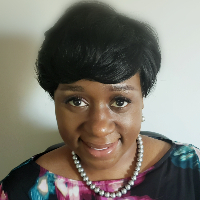
Therapist profile
Angeline Walker, LCMHC
North Carolina
LCMHC - Anger and Relationship Concerns
Continue with AngelineKey details
- CredentialsLCMHC
- LicenseLCMHC, North Carolina / 8988
- NPI1760720973
- Experience23 years
- LanguagesEnglish
- LocationNorth Carolina
About
- CBT techniques
- Mindfulness practice
- Motivational interviewing
About Angeline
Angeline Walker is a Licensed Clinical Mental Health Counselor (LCMHC) in North Carolina with 23 years of clinical experience. She works with people who are dealing with stress, anxiety, grief, anger, low self-esteem, depression, relationship and family concerns, trauma and abuse, and related issues. Sessions are conducted in English and focus on practical ways to manage day-to-day challenges.
Her style is interactive and person-focused. She listens actively and responds without judgment. Conversations are direct and practical, aimed at helping someone notice patterns and try different approaches in life.
Angeline uses cognitive behavioral techniques to help someone spot unhelpful thinking and shift behaviors that keep problems going. She also draws on client-centered methods that prioritize the person's goals and perspectives in the room. Mindfulness strategies are offered to build moment-to-moment calm and stronger attention to feelings.
Motivational interviewing is part of her work when someone feels stuck or unsure about making changes. Narrative approaches are used to help people rewrite unhelpful stories they tell themselves about anger, relationships, or life events. Together these methods create clear, doable steps rather than abstract theory.
Her background includes long-term counseling experience across many common life difficulties, including parenting strain, caregiver stress, codependency and coping with major life changes. She asks questions, offers practical exercises, and tracks small changes over time. To begin, prospective clients complete a short matching questionnaire and schedule a first session.
How sessions work
How her approaches translate to online sessions
Client-Centered Therapy focuses on the person's goals and perspective, and online sessions follow the individual's lead to set priorities and pace. This approach helps when someone needs a steady listener and practical feedback about relationships and behavior.Cognitive Behavioral Therapy (CBT) targets the links between thoughts, feelings, and actions. In online work CBT often includes simple exercises, thought records, and behavior experiments that can be practiced between sessions to manage anger, anxiety, or low mood.
Mindfulness Therapy teaches attention skills and moment-to-moment noticing. Online sessions can introduce brief mindfulness practices that fit into a busy day and help reduce reactivity when anger arises.
Deciding which approach to use is a collaborative process. The therapist and client review concerns, goals, and preferences, then try methods that feel workable. Plans are adjusted as needed based on how the strategies land in everyday life.
Session formats are not specified in the biography, so confirm current options before booking. Many people find online appointments helpful for fitting counseling around work, caregiving, or busy schedules, for shorter check-ins, or when quieter surroundings and lower bandwidth are needed. The therapist will also discuss how to make sessions fit into daily life during the first meeting.
Areas of focus
Areas of expertise
Primary focus
Also works with
Additional focus areas
Therapeutic approaches
Experience
23+ years
Listed in
North Carolina
Languages
English
Questions
Frequently asked questions
What kinds of anger issues does she address?
She supports people managing snapping at loved ones, workplace frustration, building resentment, and reactions to others' anger. Anger is listed among her core concerns.
What is her therapeutic style like?
She works in an interactive, person-focused way with active listening and practical conversation. The aim is to notice patterns and try concrete strategies.
How much experience does she have?
She has 23 years of counseling experience working with depression, trauma, relationship and self-esteem concerns among others.
What are her credentials and where is she based?
She is a Licensed Clinical Mental Health Counselor, NC LCMHC, based in North Carolina.
Which languages are supported for sessions?
Sessions are offered in English.
Can people outside the United States work with her?
She does not accept international clients at this time.
How are session formats arranged?
Please confirm current session options before booking since formats are not specified in the biography.
How do I begin working with her?
Use the See online therapy options button, complete a short matching questionnaire, and schedule a first session. Sessions use a subscription that can be canceled at any time and cost varies with location.
Details come from information the therapist supplied to BetterHelp. A license can be checked with the state board.
Online talk therapy is not emergency care. If anyone is unsafe, use the crisis numbers.