
Velma Jones
LCSWNew York · 29 yrs exp
Licensed Clinical Social Worker - Anger and Relationships
Stress, Anxiety · Relationship · Trauma and abuse · Depression · +10 more
Read profileTherapist listings are provided by BetterHelp. We will earn a commission at no additional cost to you if you use our links to purchase.
Use the profiles on this page to compare therapists who list jealousy among their focus areas and who also work with anger and frustration. You can review listed location, focus areas, approaches, credentials, languages and experience to find profiles that fit what you want to explore.
Browse the profiles below and click through to read each professional’s summary and details before deciding who to contact for an initial conversation.
New York · 29 yrs exp
Licensed Clinical Social Worker - Anger and Relationships
Stress, Anxiety · Relationship · Trauma and abuse · Depression · +10 more
Read profile
Ohio · 25 yrs exp
LPCC counselor - anger and stress
Stress, Anxiety · LGBT · Relationship · Self esteem · +16 more
Read profile
Colorado · 19 yrs exp
LCSW - Anger and relationship work
Stress, Anxiety · Relationship · Trauma and abuse · Grief · +12 more
Read profile
South Carolina · 16 yrs exp
LMFT focusing on relationships and anger
Stress, Anxiety · Relationship · Family · Parenting · +14 more
Read profile
Texas · 13 yrs exp
LCSW - Anger and Relationship Concerns
Stress, Anxiety · Relationship · Trauma and abuse · Anger · +11 more
Read profile
Florida · 20 yrs exp
FL LMHC - Addiction and Anger support
Stress, Anxiety · Addictions · Relationship · Self esteem · +16 more
Read profile
Massachusetts · 23 yrs exp
LMHC - Anger and Relationship concerns
Addictions · LGBT · Relationship · Intimacy-related issues · +12 more
Read profile
Florida · 39 yrs exp
Florida LMHC - Anger and relationships
Stress, Anxiety · Relationship · Family · Parenting · +14 more
Read profile
Maine · 12 yrs exp
Licensed Professional Counselor - Stress and Anger
Stress, Anxiety · Self esteem · Depression · Coping with life changes · +16 more
Read profile
Kansas · 12 yrs exp
Licensed Clinical MFT - Relationships and Anger
Stress, Anxiety · Relationship · Intimacy-related issues · Depression · +13 more
Read profile
Kentucky · 18 yrs exp
Licensed Marriage and Family Therapist - Anger and Relationships
LGBT · Relationship · Family · Self esteem · +14 more
Read profile
Louisiana · 7 yrs exp
Licensed Professional Counselor - Anger and Trauma
Stress, Anxiety · Family · Trauma and abuse · Parenting · +15 more
Read profile
Texas · 12 yrs exp
Licensed marriage and family therapist - Anger and relationships
Stress, Anxiety · Addictions · Relationship · Grief · +11 more
Read profile
Pennsylvania · 27 yrs exp
Licensed Clinical Social Worker - Anger and Relationships
Stress, Anxiety · Relationship · Parenting · Self esteem · +14 more
Read profile
Florida · 12 yrs exp
Licensed Mental Health Counselor - Anger and Stress
Stress, Anxiety · Parenting · Self esteem · Depression · +11 more
Read profile
Arizona · 23 yrs exp
LPC and LMHC - Stress and Anger concerns
Stress, Anxiety · Self esteem · Depression · Coping with life changes · +16 more
Read profile
Pennsylvania · 12 yrs exp
Licensed counselor - anger and relationship concerns
Stress, Anxiety · Relationship · Self esteem · Depression · +11 more
Read profile
Hawaii · 7 yrs exp
Licensed Marriage and Family Therapist - Relationships and Anger
Stress, Anxiety · Addictions · Relationship · Family · +11 more
Read profile
Illinois · 20 yrs exp
Licensed Clinical Professional Counselor - Anger and Mood
Stress, Anxiety · LGBT · Anger · Self esteem · +12 more
Read profile
Florida · 26 yrs exp
Florida LMHC - Anger and Stress support
Relationship · Grief · Self esteem · Depression · +13 more
Read profile
North Carolina · 10 yrs exp
Licensed clinical social worker - Anger and relationships
Stress, Anxiety · Relationship · Family · Bipolar · +16 more
Read profile
Tennessee · 15 yrs exp
LCSW - Anger and Trauma support
Stress, Anxiety · LGBT · Family · Trauma and abuse · +16 more
Read profile
Missouri · 7 yrs exp
LPC in Missouri - Anger and Addiction focus
Stress, Anxiety · Addictions · Relationship · Self esteem · +13 more
Read profile
Florida · 17 yrs exp
Florida LMHC - Anger and Relationships
Stress, Anxiety · Addictions · Relationship · Family · +14 more
Read profile
Louisiana · 10 yrs exp
Licensed Professional Counselor - Anger and Relationships
Stress, Anxiety · Relationship · Family · Depression · +12 more
Read profile
Texas · 10 yrs exp
Licensed Professional Counselor - Stress and Anger
Stress, Anxiety · Relationship · Family · Depression · +14 more
Read profile
Texas · 11 yrs exp
Licensed Professional Counselor - Anger and Relationships
Stress, Anxiety · Relationship · Family · Parenting · +9 more
Read profile
Ohio · 33 yrs exp
Licensed Professional Clinical Counselor - Anger and Trauma
Stress, Anxiety · Family · Trauma and abuse · Self esteem · +12 more
Read profile
Illinois · 10 yrs exp
Licensed Clinical Professional Counselor - Anger and Relationships
Stress, Anxiety · LGBT · Relationship · Trauma and abuse · +10 more
Read profile
Texas · 13 yrs exp
Licensed counselor and marriage therapist - anger and relationships
Stress, Anxiety · LGBT · Relationship · Trauma and abuse · +12 more
Read profile
Georgia · 15 yrs exp
Licensed Professional Counselor - Anger and Relationships
Stress, Anxiety · Grief · Intimacy-related issues · Self esteem · +10 more
Read profile
Florida · 12 yrs exp
Licensed Marriage and Family Therapist - Anger and Trauma
Stress, Anxiety · Addictions · Relationship · Family · +15 more
Read profile
Colorado · 11 yrs exp
Licensed Professional Counselor - Anger and Anxiety
Stress, Anxiety · LGBT · Trauma and abuse · Anger · +15 more
Read profile
Michigan · 21 yrs exp
Licensed LMSW - Anger and Relationships
Stress, Anxiety · Relationship · Family · Bipolar · +14 more
Read profile
Texas · 21 yrs exp
Licensed Clinical Social Worker - Anger and Relationships
Stress, Anxiety · Relationship · Trauma and abuse · Intimacy-related issues · +15 more
Read profile
California · 8 yrs exp
LMFT - Anger and relationships
Stress, Anxiety · Addictions · Relationship · Self esteem · +15 more
Read profile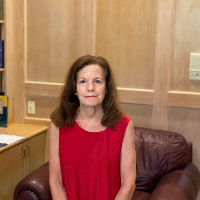
Massachusetts · 25 yrs exp
Licensed counselor - stress and relationships
Stress, Anxiety · Relationship · Family · Self esteem · +14 more
Read profile
South Dakota · 12 yrs exp
Licensed counselor - Anger and relationships
Stress, Anxiety · Relationship · Family · Trauma and abuse · +13 more
Read profile
Texas · 6 yrs exp
Licensed Professional Counselor - Anger and Relationships
Stress, Anxiety · Addictions · Relationship · Trauma and abuse · +12 more
Read profile
Florida · 30 yrs exp
FL Psychologist - Anger and Anxiety
Stress, Anxiety · Grief · Anger · Depression · +15 more
Read profile
Wisconsin · 11 yrs exp
Licensed counselor - anger and relationships
Stress, Anxiety · Family · Trauma and abuse · Depression · +12 more
Read profile
Nebraska · 14 yrs exp
Licensed counselor - Anger and mood concerns
Stress, Anxiety · Grief · Bipolar · Depression · +13 more
Read profile
Florida · 10 yrs exp
LMHC - Anger and Relationship Concerns
Stress, Anxiety · Family · Parenting · Self esteem · +10 more
Read profile
Texas · 23 yrs exp
Licensed Professional Counselor - Anger and Relationships
Stress, Anxiety · Relationship · Self esteem · Career · +11 more
Read profile
Pennsylvania · 6 yrs exp
Licensed Professional Counselor - Anger and Anxiety
Stress, Anxiety · LGBT · Relationship · Self esteem · +15 more
Read profile
Georgia · 25 yrs exp
Licensed social worker - Anger and relationships
Stress, Anxiety · Parenting · Anger · Self esteem · +15 more
Read profile
Nebraska · 25 yrs exp
Licensed Mental Health Practitioner - Anger and Stress
Stress, Anxiety · Family · Trauma and abuse · Parenting · +12 more
Read profile
Texas · 33 yrs exp
LCSW - Relationships and Anger
Stress, Anxiety · Relationship · Family · Self esteem · +11 more
Read profile
Texas · 20 yrs exp
Licensed social worker - Anger and relationships
Stress, Anxiety · Addictions · Family · Grief · +15 more
Read profile
Florida · 20 yrs exp
LMHC in Florida - Stress and Anger work
Stress, Anxiety · Grief · Self esteem · Depression · +9 more
Read profile
Ohio · 20 yrs exp
Ohio LISW - Stress and Anger support
Stress, Anxiety · LGBT · Family · Grief · +16 more
Read profile
Georgia · 3 yrs exp
LPC counselor - Anger and relationships
Stress, Anxiety · Relationship · Family · Intimacy-related issues · +6 more
Read profile
Utah · 17 yrs exp
Licensed Clinical Mental Health Counselor - anger and related concerns
Stress, Anxiety · Trauma and abuse · Anger · Depression · +13 more
Read profile
Virginia · 13 yrs exp
Licensed Professional Counselor - Anger and Anxiety
Stress, Anxiety · Anger · Self esteem · Depression · +9 more
Read profile
Ohio · 17 yrs exp
Ohio LISW - Stress and Anger
Stress, Anxiety · Family · Parenting · Depression · +12 more
Read profile
Illinois · 38 yrs exp
Licensed Clinical Professional Counselor - Anger and Stress
Stress, Anxiety · Self esteem · Depression · Coping with life changes · +9 more
Read profile
Michigan · 31 yrs exp
LMSW counselor - anger and relationship concerns
Stress, Anxiety · Family · Trauma and abuse · Self esteem · +16 more
Read profile
New York · 15 yrs exp
LCSW - Anger and Relationship concerns
Stress, Anxiety · Addictions · Relationship · Self esteem · +10 more
Read profile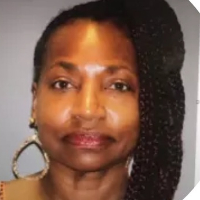
Florida · 15 yrs exp
Dr. Patricia Bell, LMHC - Cognitive and relational therapy
Stress, Anxiety · Relationship · Family · Intimacy-related issues · +15 more
Read profile
North Carolina · 16 yrs exp
Licensed Clinical Social Worker - Anger, Addictions
Stress, Anxiety · Addictions · Trauma and abuse · Anger · +13 more
Read profileJealousy can show up in many ways: as persistent worry, sharp irritability, sudden outbursts, or a slow-building resentment that affects how you relate to others. You may notice it spilling over into your work life as distracted focus or heightened stress, or into relationships as repeated arguments or withdrawal. When you look for help, it helps to name the patterns you experience - whether that is explosive anger, chronic frustration, persistent suspicion, or frequent interpersonal conflict - because different professionals may describe their focus in ways that match those patterns.
Thinking about the practical effects of jealousy can guide your search. If irritability is costing you at work, or if resentment is reshaping your friendships and family life, note those consequences when you read profiles. The therapists listed here have included jealousy among their focus areas alongside anger and related concerns, but a listed focus is not a guarantee of a particular training or outcome. Use the profiles as a starting point to find professionals who describe experience with the mix of feelings and behaviors you want to address.
This directory groups profiles that include both anger and jealousy as areas of interest, but that linkage in a profile does not prove a clinical diagnosis or a single cause-and-effect relationship. For some people jealousy triggers short-lived anger and frustration. For others, persistent jealousy forms part of a broader pattern of stress, low mood, or relationship difficulties. You should treat the overlap as a signal to look for therapists who pay attention to emotion regulation, relationship dynamics, and stress management rather than assuming jealousy always creates anger or vice versa.
When you read a profile, note how the practitioner frames the relationship between jealousy and anger. Some profiles will describe working with irritability and outbursts, while others may foreground resentment, boundary issues, or communication skills. If there is any risk of harm to you or someone else, contact emergency services or a local domestic-abuse helpline immediately. If safety is a concern, raise that explicitly when you contact a professional so you can discuss immediate steps and referrals.
Prepare a short list of clear, concrete questions you can use when you contact someone. Ask how they typically work with jealousy that looks like irritability or outbursts, and whether they have experience addressing resentment that has affected a relationship or work performance. You can ask whether they have worked with people in your situation - for example, people navigating jealousy in long-term partnerships, new relationships, or workplace settings. Phrase questions so they invite detail: for example, "Can you describe how you would approach jealousy that shows up as repeated arguments?" or "What kinds of strategies do you discuss when stress and irritability are making it hard to concentrate at work?"
Also ask about the approaches they list on their profile by name. For instance, you might say, "I see you list CBT and psychodynamic approaches - how do you adapt these for jealousy-related issues?" or "Some profiles list EMDR among their approaches - can you explain when that might be considered and what it involves?" Remember that a profile’s list of approaches signals areas a therapist pays attention to, but it is appropriate to ask how they apply those approaches in practice. Finally, confirm whether their focus includes adults only or also addresses couples and families, because a listed topic does not automatically mean they treat multiple client types.
If you plan to work online, talk through practical matters before beginning so you know what to expect. Ask about the professional’s listed location and whether they are able to provide services where you currently live, since rules about cross-jurisdiction practice vary. In the United States, ask about the clinician’s state licensing; in the United Kingdom and Australia, ask about registration or membership with relevant professional bodies. Remember that academic degrees like PhD, PsyD, MD, MA or MSW describe education and are not the same as a license or registration to practice. A degree alone does not establish permission to practice in a specific jurisdiction.
Discuss technology and privacy practices for online sessions, including what platforms they use and how records are held. Clarify what to do in a crisis and whether they have emergency procedures or local referrals in your area. If you have specific needs - such as language preference, accessibility accommodations, or concerns about working with couples versus individuals - mention them up front. Do not assume online sessions are appropriate if there is any immediate risk; in an emergency call local emergency services or a domestic-abuse helpline for immediate assistance.
When comparing profiles, read beyond a single keyword. Look at how a therapist describes the blend of issues they work with - for example, whether they pair jealousy with anger, anxiety, or relationship communication. Note the languages they list so you can communicate in the language you prefer. Review the credentials section to see degree types and any listed professional licenses or registrations. In the United States you will typically see state licenses; in the UK and Australia you may see professional registration or membership. Treat degrees like PhD or MSW as educational background and ask directly about current registration or licensing if that matters to you.
Style is also important. Some practitioners describe a more directive, skills-based approach while others emphasize reflective work on patterns, history and meaning. You can get a sense of style from profile text and from how a clinician answers your initial questions. Ask about session structure, typical goals they work toward with people addressing jealousy and anger, and how they measure progress. Use profiles to compare focus areas, languages, stated populations served, credentials and the tone of each summary so you can choose a few professionals whose descriptions feel like a good fit for the work you want to do.
Ultimately, the goal of using this directory is to find profiles that prompt a productive conversation. Profiles are a first step to learning who might help you explore jealousy, manage irritability, reduce outbursts, or address resentment and stress affecting relationships and work. Reach out with specific questions, and make safety your first priority if you or someone else is at risk.
Alabama
120 therapists
Alaska
15 therapists
Arizona
124 therapists
Arkansas
62 therapists
Australia
103 therapists
California
520 therapists
Colorado
177 therapists
Connecticut
71 therapists
Delaware
24 therapists
District of Columbia
20 therapists
Florida
929 therapists
Georgia
283 therapists
Hawaii
25 therapists
Idaho
51 therapists
Illinois
244 therapists
Indiana
135 therapists
Iowa
41 therapists
Kansas
57 therapists
Kentucky
91 therapists
Louisiana
157 therapists
Maine
40 therapists
Maryland
130 therapists
Massachusetts
96 therapists
Michigan
253 therapists
Minnesota
92 therapists
Mississippi
78 therapists
Missouri
230 therapists
Montana
49 therapists
Nebraska
39 therapists
Nevada
39 therapists
New Hampshire
24 therapists
New Jersey
169 therapists
New Mexico
42 therapists
New York
335 therapists
North Carolina
349 therapists
North Dakota
4 therapists
Ohio
209 therapists
Oklahoma
115 therapists
Oregon
53 therapists
Pennsylvania
262 therapists
Rhode Island
18 therapists
South Carolina
165 therapists
South Dakota
23 therapists
Tennessee
131 therapists
Texas
782 therapists
United Kingdom
1531 therapists
Utah
60 therapists
Vermont
12 therapists
Virginia
158 therapists
Washington
88 therapists
West Virginia
33 therapists
Wisconsin
127 therapists
Wyoming
18 therapists