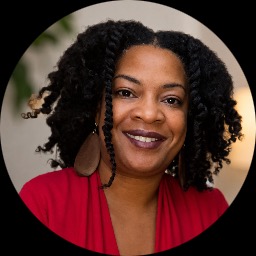
Therapist profile
Atiya Moore, LCSW-C
Maryland
Licensed Clinical Social Worker - Anger and Trauma
Continue with AtiyaKey details
- CredentialsLCSW-C
- LicenseLCSW-C, Maryland / 23501
- NPI1245843879
- Experience20 years
- LanguagesEnglish
- LocationMaryland
About
- ACT and CBT
- DBT skills
- Mindfulness practices
About Atiya
Atiya Moore is a Licensed Clinical Social Worker (LCSW-C) in Maryland with 20 years of clinical experience. She works with adults facing stress, anxiety, relationship strain, trauma and abuse, anger, depression, and challenges like addiction or ADHD. She also supports people dealing with grief, parenting pressures, career shifts, and intimacy or self-esteem concerns.
Her approach is straightforward and practical. Sessions focus on clear goals and skills people can use between meetings. She uses mindfulness and breathing practices alongside talk work to reduce reactivity and improve emotional regulation.
Atiya draws on Acceptance and Commitment Therapy and Cognitive Behavioral Therapy to help people notice thoughts and choose manageable actions. She also uses Dialectical Behavior Therapy skills for emotion regulation and interpersonal effectiveness. Emotionally-Focused Therapy ideas guide work on relationship patterns and attachment issues.
She has experience with chronic and multi-generational trauma and supports people addressing victim mentality, self-doubt, and self-sabotage that can stall progress. Atiya will sometimes include somatic techniques, motivational interviewing, and creative options such as therapeutic gardening or energy management when appropriate.
Sessions are aimed at practical change rather than long lectures. People who want clear tools for handling anger, frustration at work, or built-up resentment often find this direct style useful. Anyone considering work on emotional reactivity can start by completing the intake steps and scheduling an initial meeting.
How sessions work
How her therapeutic approaches translate to online work
Acceptance and Commitment Therapy (ACT) helps people notice unhelpful thoughts and commit to actions that match their values. Online sessions can teach simple ACT exercises to reduce avoidance and increase purposeful choices. Cognitive Behavioral Therapy (CBT) focuses on identifying thought patterns and testing them with real-life experiments. CBT tools delivered over remote sessions can target anger, anxiety, and mood by practicing new responses between meetings. Dialectical Behavior Therapy (DBT) offers concrete skills for emotion regulation and better communication, which are useful when anger spikes or relationships become tense.Finding the right approach is part of the work. The therapist will collaborate with clients to choose or combine methods based on goals, symptoms, and preferences. That shared decision helps shape session structure and homework so people can try techniques between meetings and adjust what isn’t working.
Confirm the specific session formats before booking to know what is offered. Online work can make it easier to fit sessions into a busy week and reduce travel time. It can also allow shorter check-ins on a rough day, or let someone choose a format that needs less bandwidth or no camera. These practical benefits help keep therapy consistent with everyday life.
Areas of focus
Areas of expertise
Primary focus
Also works with
Additional focus areas
Therapeutic approaches
Experience
20+ years
Listed in
Maryland
Languages
English
Questions
Frequently asked questions
What kinds of problems does she help with?
She supports adults with stress, anxiety, depression, anger, trauma and abuse, addictions, relationship and intimacy issues, parenting concerns, grief, and ADHD.
What is her therapeutic style like?
Her style is practical and skills-focused. Sessions emphasize tools you can use between meetings to manage reactivity and improve relationships.
How much clinical experience does she have?
She has 20 years of experience working in a range of behavioral health settings with people facing emotional and trauma-related challenges.
What credentials and location are listed?
She is a Licensed Clinical Social Worker, LCSW-C, in Maryland.
Which languages are sessions offered in?
Sessions are offered in English.
Can people outside the United States work with her?
International clients are accepted; confirm any region-specific details before booking.
How does cost and payment work?
Cost varies with location and services. Sessions use a subscription model that can be canceled at any time.
What steps are needed to begin therapy?
Select the See online therapy options button, complete a short matching questionnaire, and schedule a first session.
Details come from information the therapist supplied to BetterHelp. A license can be checked with the state board.
Online talk therapy is not emergency care. If anyone is unsafe, use the crisis numbers.