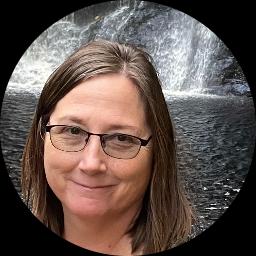
Therapist profile
Carrie Cooper, LPCC, LCMHC
Utah
LPCC counselor - Anger and stress
Continue with CarrieKey details
- CredentialsLPCC, LCMHC
- LicenseLPCC, New Mexico / CCMH0093661; LCMHC, Utah / 12314765-6004
- NPI1538238381
- Experience23 years
- LanguagesEnglish
- LocationUtah
About
- Client-centered therapy
- Cognitive behavioral tools
- Mindfulness practice
About Carrie
Carrie Cooper is a Licensed Professional Clinical Counselor (LPCC) and a Licensed Clinical Mental Health Counselor (LCMHC) with 23 years of experience. She practices in Utah and focuses on a broad range of concerns including anger, stress, anxiety, addictions, grief, trauma and depression. Carrie works with adults on relationship and parenting struggles, self-esteem, ADHD, and other life changes.
She holds a Master of Science degree in Counseling and a Bachelor of Science in Psychology. Over two decades she has counseled people from many backgrounds, building practical skills for everyday problems. Sessions focus on clear steps rather than long theory talks.
Her approach emphasizes client-centered work and cognitive behavioral techniques. She also draws on mindfulness practices and motivational interviewing to help people change unhelpful patterns. For those affected by traumatic events she uses trauma-focused methods alongside these tools.
In a typical session she helps people notice patterns, test small changes, and practice new responses. That can mean learning breathing and grounding skills, changing thoughts that fuel anger, or setting boundaries that reduce ongoing stress. She helps people build plans they can use between sessions.
Carrie frames treatment around each person’s goals and pace. She prepares a plan driven by the client’s priorities and adjusts it as progress is made. Her work is practical and focused on skills people can try right away.
People who want help handling stronger emotions, addressing past trauma, or managing life transitions will find straightforward, skills-based support in her work.
How sessions work
How her approaches translate to online sessions
Client-centered therapy focuses on listening and following the client's concerns. Online work lets a therapist reflect what you bring and help set practical goals you feel ready to try. Cognitive Behavioral Therapy (CBT) breaks problems into thoughts, feelings, and actions, then tests small changes in real life. CBT online is well suited to short exercises, homework, and reviewing what worked between sessions. Mindfulness therapy teaches simple attention and breathing practices that can be guided in a session and practiced daily to reduce reactivity and calm strong emotions.Finding the right approach is part of the process. The therapist will work collaboratively to identify which methods match the client's needs, goals, and preferences. Expect the plan to adjust over time based on what helps most in your day-to-day life.
Session formats are not specified in the supplied profile, so confirm the available options before booking. Online sessions can make it easier to fit therapy into a busy week, allow shorter check-ins when time is limited, and reduce travel time. These practical benefits help clients practice skills in the places and routines where they need them most.
Areas of focus
Areas of expertise
Primary focus
Also works with
Additional focus areas
Therapeutic approaches
Experience
23+ years
Listed in
New Mexico, Utah
Languages
English
Questions
Frequently asked questions
What kinds of concerns does she help with?
She works with adults on anger, stress, anxiety, depression, addictions, grief, trauma, relationship and parenting issues, ADHD, and related concerns.
What is her therapeutic style?
She uses a client-centered approach combined with cognitive behavioral techniques, mindfulness, motivational interviewing, and trauma-focused methods to help people change patterns and learn skills.
How much experience does she have?
Carrie has 23 years of counseling experience working with adults from diverse backgrounds on a wide range of issues.
What are her credentials and where is she based?
She holds the credentials LPCC and LCMHC and practices in Utah.
Which languages are supported and can international clients work with her?
Sessions are offered in English. She is not currently accepting international clients.
What session formats are offered?
Please confirm the current session options before booking, as formats are not specified in the provided profile information.
How does cost work for sessions?
Cost varies with location and sessions use a subscription that can be canceled at any time.
What are the steps to get started?
Select the See online therapy options button, complete a short matching questionnaire, and schedule a first session.
Details come from information the therapist supplied to BetterHelp. A license can be checked with the state board.
Online talk therapy is not emergency care. If anyone is unsafe, use the crisis numbers.