
Kelley Sullivan
LCSWColorado · 19 yrs exp
LCSW - Anger and relationship work
Stress, Anxiety · Relationship · Trauma and abuse · Grief · +12 more
Read profileTherapist listings are provided by BetterHelp. We will earn a commission at no additional cost to you if you use our links to purchase.
Browse profiles of therapists who list Chronic Pain alongside anger and frustration to compare their listed location, approaches, credentials, languages, and experience. Use the profile details below to learn how practitioners describe their focus and style, then browse profiles that match what you need.
Colorado · 19 yrs exp
LCSW - Anger and relationship work
Stress, Anxiety · Relationship · Trauma and abuse · Grief · +12 more
Read profile
South Carolina · 16 yrs exp
LMFT focusing on relationships and anger
Stress, Anxiety · Relationship · Family · Parenting · +14 more
Read profile
Florida · 20 yrs exp
FL LMHC - Addiction and Anger support
Stress, Anxiety · Addictions · Relationship · Self esteem · +16 more
Read profile
Kentucky · 18 yrs exp
Licensed Marriage and Family Therapist - Anger and Relationships
LGBT · Relationship · Family · Self esteem · +14 more
Read profile
New York · 9 yrs exp
LMHC in New York - Anger and Relationships
Addictions · LGBT · Intimacy-related issues · Depression · +9 more
Read profile
Arizona · 23 yrs exp
LPC and LMHC - Stress and Anger concerns
Stress, Anxiety · Self esteem · Depression · Coping with life changes · +16 more
Read profile
Pennsylvania · 12 yrs exp
Licensed counselor - anger and relationship concerns
Stress, Anxiety · Relationship · Self esteem · Depression · +11 more
Read profile
Missouri · 16 yrs exp
LCSW - Anger and Emotional Regulation
Stress, Anxiety · Trauma and abuse · Self esteem · Bipolar · +12 more
Read profile
Tennessee · 15 yrs exp
LCSW - Anger and Trauma support
Stress, Anxiety · LGBT · Family · Trauma and abuse · +16 more
Read profile
New York · 35 yrs exp
Dr. Colleen Downes, LCSW - Anger and Stress support
Stress, Anxiety · Self esteem · Career · ADHD · +10 more
Read profile
Texas · 10 yrs exp
Licensed Professional Counselor - Stress and Anger
Stress, Anxiety · Relationship · Family · Depression · +14 more
Read profile
Virginia · 16 yrs exp
LCSW - Stress and Anger support
Stress, Anxiety · Grief · Self esteem · Depression · +12 more
Read profile
Colorado · 11 yrs exp
Licensed Professional Counselor - Anger and Anxiety
Stress, Anxiety · LGBT · Trauma and abuse · Anger · +15 more
Read profile
Michigan · 21 yrs exp
Licensed LMSW - Anger and Relationships
Stress, Anxiety · Relationship · Family · Bipolar · +14 more
Read profile
Missouri · 14 yrs exp
Licensed Professional Counselor - Anger and Stress
Stress, Anxiety · Self esteem · Career · Depression · +13 more
Read profile
Illinois · 25 yrs exp
Licensed Clinical Social Worker - Anger, Mood and Stress
Stress, Anxiety · Self esteem · Career · Coping with life changes · +10 more
Read profile
Texas · 20 yrs exp
Licensed Professional Counselor - Stress and Anger
Stress, Anxiety · Trauma and abuse · Self esteem · Depression · +12 more
Read profile
Pennsylvania · 6 yrs exp
Licensed Professional Counselor - Anger and Anxiety
Stress, Anxiety · LGBT · Relationship · Self esteem · +15 more
Read profile
Georgia · 17 yrs exp
Licensed Professional Counselor - Anger and Relationships
Relationship · Family · Trauma and abuse · Career · +13 more
Read profile
Texas · 33 yrs exp
LCSW - Relationships and Anger
Stress, Anxiety · Relationship · Family · Self esteem · +11 more
Read profile
Texas · 20 yrs exp
Licensed social worker - Anger and relationships
Stress, Anxiety · Addictions · Family · Grief · +15 more
Read profile
Ohio · 20 yrs exp
Ohio LISW - Stress and Anger support
Stress, Anxiety · LGBT · Family · Grief · +16 more
Read profile
Ohio · 17 yrs exp
Ohio LISW - Stress and Anger
Stress, Anxiety · Family · Parenting · Depression · +12 more
Read profile
Arkansas · 44 yrs exp
Licensed Certified Social Worker - Anger and Trauma
Stress, Anxiety · Trauma and abuse · Grief · Self esteem · +16 more
Read profile
Texas · 10 yrs exp
Dr. Sydney Crane, LMFT - Relationships and Anger
Stress, Anxiety · LGBT · Relationship · Grief · +12 more
Read profile
Florida · 15 yrs exp
Dr. Patricia Bell, LMHC - Cognitive and relational therapy
Stress, Anxiety · Relationship · Family · Intimacy-related issues · +15 more
Read profile
Colorado · 15 yrs exp
Licensed Clinical Social Worker - Anger and Mood Concerns
Stress, Anxiety · Grief · Depression · Coping with life changes · +10 more
Read profile
New York · 25 yrs exp
LCSW - Anxiety and Anger support
Stress, Anxiety · Grief · Anger · Self esteem · +6 more
Read profile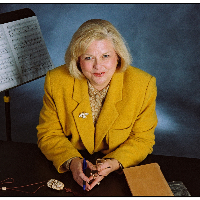
Massachusetts · 15 yrs exp
Licensed Mental Health Counselor - Stress and Anger
Stress, Anxiety · Grief · Depression · Coping with life changes · +12 more
Read profile
Texas · 18 yrs exp
Licensed Professional Counselor - Trauma and Addiction
Stress, Anxiety · Addictions · LGBT · Relationship · +14 more
Read profile
Colorado · 20 yrs exp
LCSW - Anger and trauma-focused therapist
Stress, Anxiety · Trauma and abuse · Grief · Depression · +15 more
Read profile
Wisconsin · 18 yrs exp
Licensed Clinical Social Worker - Anger and Stress
Stress, Anxiety · Parenting · Self esteem · Depression · +11 more
Read profile
Montana · 23 yrs exp
Licensed Clinical Professional Counselor - Anger and Family Issues
Stress, Anxiety · Family · Trauma and abuse · Parenting · +12 more
Read profile
Michigan · 14 yrs exp
LICSW focused on anger and stress
Stress, Anxiety · Addictions · Family · Trauma and abuse · +12 more
Read profile
South Carolina · 21 yrs exp
Licensed counselor - Anger and mood concerns
Stress, Anxiety · Trauma and abuse · Self esteem · Depression · +16 more
Read profile
Florida · 32 yrs exp
LCSW in Florida - Anger and trauma work
Stress, Anxiety · Trauma and abuse · Grief · Depression · +14 more
Read profile
Georgia · 12 yrs exp
Licensed Professional Counselor - Anger and emotional issues
Stress, Anxiety · Grief · Self esteem · Depression · +11 more
Read profile
Indiana · 25 yrs exp
Licensed Clinical Social Worker - Anger and Relationships
Stress, Anxiety · Relationship · Grief · Self esteem · +12 more
Read profile
Texas · 15 yrs exp
Licensed Professional Counselor - Anger and Anxiety
Stress, Anxiety · Grief · Self esteem · Depression · +13 more
Read profile
Florida · 20 yrs exp
Licensed Clinical Social Worker - Anger and Trauma
Stress, Anxiety · Trauma and abuse · Grief · Career · +15 more
Read profile
California · 35 yrs exp
Licensed Marriage and Family Therapist - Anger, Relationships
Stress, Anxiety · Relationship · Family · Trauma and abuse · +12 more
Read profile
New York · 25 yrs exp
LCSW in New York - Anger and Relationships
Stress, Anxiety · Relationship · Family · Trauma and abuse · +15 more
Read profile
Illinois · 3 yrs exp
LCSW - Anger and Stress support
Stress, Anxiety · Addictions · LGBT · Relationship · +10 more
Read profile
Virginia · 4 yrs exp
LCSW - Stress and Anger support
Stress, Anxiety · Grief · Anger · Self esteem · +10 more
Read profile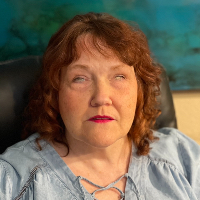
Texas · 16 yrs exp
Licensed Professional Counselor - Anger and Relationships
Stress, Anxiety · Family · Parenting · Bipolar · +11 more
Read profile
Oklahoma · 9 yrs exp
LPC counselor for anger and life stress
Stress, Anxiety · Anger · Self esteem · Coping with life changes · +16 more
Read profile
Florida · 35 yrs exp
LMHC in Florida - anger and relationships
Stress, Anxiety · Family · Grief · Eating · +16 more
Read profile
Florida · 19 yrs exp
Licensed Clinical Social Worker - Anger and Mood concerns
Stress, Anxiety · Trauma and abuse · Grief · Depression · +9 more
Read profile
Connecticut · 16 yrs exp
LCSW - Anger and Relationship Concerns
Stress, Anxiety · Addictions · Family · Anger · +14 more
Read profile
California · 20 yrs exp
LMFT - Relationships and Anger
Stress, Anxiety · Relationship · Trauma and abuse · Intimacy-related issues · +13 more
Read profile
Massachusetts · 46 yrs exp
Licensed social worker - Anger and relationships
Stress, Anxiety · Relationship · Trauma and abuse · Grief · +10 more
Read profile
Texas · 12 yrs exp
LPC in Texas - Anger and Relationship support
Stress, Anxiety · Addictions · Relationship · Trauma and abuse · +14 more
Read profile
Colorado · 15 yrs exp
Licensed Professional Counselor - Anger and Stress
Stress, Anxiety · Addictions · Trauma and abuse · Anger · +6 more
Read profile
California · 8 yrs exp
Licensed Marriage and Family Therapist - Anger and Trauma
Stress, Anxiety · Addictions · Trauma and abuse · Parenting · +11 more
Read profile
Illinois · 26 yrs exp
Licensed counselor - anger and stress
Stress, Anxiety · Addictions · Anger · Self esteem · +13 more
Read profile
Illinois · 30 yrs exp
Illinois LCPC - Anger and Relationships
Stress, Anxiety · Relationship · Family · Trauma and abuse · +12 more
Read profile
Massachusetts · 30 yrs exp
LMFT and LMHC - Anger and Family Concerns
Addictions · Family · Trauma and abuse · Grief · +16 more
Read profile
Mississippi · 20 yrs exp
MS LPC - Anger and Emotional Regulation
Stress, Anxiety · Addictions · Trauma and abuse · Anger · +14 more
Read profile
New Mexico · 4 yrs exp
LCSW - Anger and Relationship Concerns
Stress, Anxiety · Relationship · Trauma and abuse · Intimacy-related issues · +11 more
Read profile
Arkansas · 3 yrs exp
Licensed Professional Counselor - Anger and Anxiety
Stress, Anxiety · Grief · Self esteem · Depression · +9 more
Read profileIf you are coping with ongoing pain, you may notice changes in how you respond to everyday stresses. Irritability, outbursts, resentment, and heightened stress are common reactions when physical discomfort affects sleep, energy, and plans. Those shifts can wear on relationships and on your work life, and it is normal to feel frustrated about how pain changes routines and expectations. You do not need to be shamed for feeling anger; rather, it can help to notice patterns, triggers, and the ways anger shows up so you can discuss them with a professional whose profile aligns with your needs.
When anger includes threats, violence, or the risk of harm to you or others, emergency services or a domestic-abuse helpline should be contacted right away. A therapist profile on this site is a starting point for comparison and conversation, not a substitute for immediate help in crisis situations.
Chronic pain and anger often appear together, but that does not mean one always causes the other. Pain can increase stress sensitivity, reduce tolerance for frustration, and limit activities that used to provide relief or purpose. In turn, frustration about restrictions can intensify perceptions of pain. You should view these relationships as complex and individual - some people find that addressing stress management and mood regulation changes how pain feels day to day, while others identify medical or functional factors that require a different focus.
When you read profiles, look for language that mentions pain, mood, or emotion regulation so you can ask how a clinician approaches the intersection of physical symptoms and emotional responses. Therapists who list EMDR among their approaches, or who note cognitive and behavioural methods among their approaches, are examples of how practitioners describe options in a profile. Those descriptions are not evidence of certification or outcomes; they are prompts for your questions about fit and experience.
As you compare profiles, prepare concrete questions to help you find a good match. Ask how the professional describes their experience working with chronic pain paired with anger or irritability, and whether they have worked with people facing similar work or family stressors. Clarify whether the profile indicates work with adults, older adults, or other populations you are interested in, because a listed topic does not prove treatment across ages or relationship types. You can inquire whether they coordinate with medical or pain-specialist teams and how they engage with ongoing medical care.
It is helpful to distinguish degrees from permission to practice. A profile may show academic credentials such as PhD, PsyD, MD, MA, or MSW; a degree alone does not establish current permission to practice in any country. In the United States, clinicians are typically licensed by state boards. In the United Kingdom and Australia, practitioners may be registered with a regulator or belong to professional membership bodies. Ask about the professional title they use in their listed location so you understand how they are authorised or listed where you live.
If you are considering online or remote sessions, raise practical topics before beginning. Clarify how the clinician handles privacy and data practices for communications and records, and ask about emergency planning - for example, what they suggest if you experience a severe outburst or need immediate help while in a session. Talk about time zones, how sessions are typically structured, whether they work with asynchronous messages between appointments, and how they involve other providers when appropriate. You might also ask about language options, cultural considerations, and their experience supporting people whose anger affects relationships or work.
Before you start, make sure you have an agreed plan for crises. If you or someone else is at risk, emergency services or a domestic-abuse helpline should be contacted right away. These practical conversations are about fit and safety rather than a promise of outcomes; they help you decide whether a clinician’s approach aligns with your needs.
When you look through profiles, compare the focus areas that matter most to you. Some profiles will emphasise pain management and functional goals, while others centre on emotion regulation, stress, or relationship strain. Notice which approaches are mentioned on a profile and think of them as conversation starters - for example, therapists who list mindfulness-based strategies among their approaches or who list acceptance-oriented approaches can explain how they adapt those ideas to chronic pain and anger.
Languages and cultural competence often show up on profiles and can be important if you want care in a preferred language or with cultural understanding. Compare credentials thoughtfully: academic degrees provide training background, and licensing, registration, or professional membership indicates the type of authorization a clinician holds in their listed location. Also read how practitioners describe their therapeutic style - whether they emphasise practical skills, exploration of emotion, or collaborative problem solving - because tone and style affect whether you feel understood and respected. Remember that profiles are summaries; use them to narrow options and to craft direct, specific questions before you reach out to a clinician.
Overall, use this directory to compare descriptive details and to prepare focused questions about experience, scope, and approach. That preparation will help you have clearer conversations with clinicians about managing chronic pain alongside anger, frustration, irritability, and the pressures those symptoms can place on relationships and work.
Alabama
120 therapists
Alaska
15 therapists
Arizona
124 therapists
Arkansas
62 therapists
Australia
103 therapists
California
520 therapists
Colorado
177 therapists
Connecticut
71 therapists
Delaware
24 therapists
District of Columbia
20 therapists
Florida
929 therapists
Georgia
283 therapists
Hawaii
25 therapists
Idaho
51 therapists
Illinois
244 therapists
Indiana
135 therapists
Iowa
41 therapists
Kansas
57 therapists
Kentucky
91 therapists
Louisiana
157 therapists
Maine
40 therapists
Maryland
130 therapists
Massachusetts
96 therapists
Michigan
253 therapists
Minnesota
92 therapists
Mississippi
78 therapists
Missouri
230 therapists
Montana
49 therapists
Nebraska
39 therapists
Nevada
39 therapists
New Hampshire
24 therapists
New Jersey
169 therapists
New Mexico
42 therapists
New York
335 therapists
North Carolina
349 therapists
North Dakota
4 therapists
Ohio
209 therapists
Oklahoma
115 therapists
Oregon
53 therapists
Pennsylvania
262 therapists
Rhode Island
18 therapists
South Carolina
165 therapists
South Dakota
23 therapists
Tennessee
131 therapists
Texas
782 therapists
United Kingdom
1531 therapists
Utah
60 therapists
Vermont
12 therapists
Virginia
158 therapists
Washington
88 therapists
West Virginia
33 therapists
Wisconsin
127 therapists
Wyoming
18 therapists