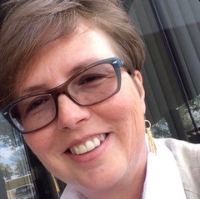
Therapist profile
Cynthia Herndon, LMSW
Michigan
LMSW - Mood and addiction support
Continue with CynthiaKey details
- CredentialsLMSW
- LicenseLMSW, Michigan / 6801082834
- NPI1295755460
- Experience20 years
- LanguagesEnglish
- LocationMichigan
About
- CBT methods
- Motivational interviewing
- Client-centered work
About Cynthia
Cynthia Herndon is a Licensed Master Social Worker (LMSW) in Michigan with 20 years of clinical experience. She works with people managing mood disorders, addiction, anxiety, depression, grief, relationship strains, anger, and other complex life changes. Cynthia has experience across rural and urban settings and with a range of populations.
She describes a practical, interactive style that asks clients to take part in shaping therapy. Sessions focus on clear goals and collaborative planning. Cynthia uses techniques that help people manage strong feelings, build coping skills, and address patterns that keep problems repeating.
Her background includes work in hospitals, outpatient clinics, homeless outreach, and rural mental health in the Florida Keys. That history brought experience with veterans, caregivers, elder and hospice care, and LGBTQ people. She also has hands-on knowledge about guardianship, advance directives, and durable power of attorney questions.
Cynthia combines client-centered methods with cognitive behavioral approaches and motivational interviewing. She uses these tools to address substance use concerns, mood disorders, trauma-related symptoms, and everyday problems like sleep, eating, and work stress. Her training includes work specifically on substance use and addiction treatment strategies.
Clients who want practical steps for anger, communication problems, or coping with loss will find an approach focused on skills, problem solving, and gradual change. She aims to help people reduce unhelpful patterns and improve day-to-day functioning. The initial steps are a short intake, goal setting, and an agreed plan to move forward.
How sessions work
Approaches used in online sessions
Cognitive Behavioral Therapy (CBT) looks at how thoughts and behaviors affect feelings. In practice this means identifying unhelpful thought patterns and testing small behavior changes to reduce anger, anxiety, or depressive symptoms. Client-Centered Therapy focuses on the person’s priorities and pacing. Sessions emphasize listening, reflecting, and working together to set goals that feel doable for the client. Motivational Interviewing helps when someone feels stuck or is unsure about change. It uses focused conversation to clarify values and motivate steps toward reducing substance use, improving mood, or addressing relationship habits. Choosing the right approach is part of the work. Cynthia will collaborate with each person to decide which methods fit their needs, goals, and preferences, and she will adjust the plan as progress is made. The biography does not specify which session formats are used for online work, so confirm current options before booking. Online sessions can make it easier to fit therapy into a busy day, shorten routine check-ins, or avoid travel time. Discussing practical scheduling needs during the matching questionnaire helps align sessions with daily life.Areas of focus
Areas of expertise
Primary focus
Also works with
Additional focus areas
Therapeutic approaches
Experience
20+ years
Listed in
Michigan
Languages
English
Questions
Frequently asked questions
What kinds of problems does she address?
She works with mood disorders, anxiety, addictions, grief, relationship and family concerns, anger, and related life changes.
What is her general therapy style?
Her style is interactive and client-centered, focusing on collaboration, clear goals, and practical skills work.
How long has she practiced?
She has 20 years of clinical experience working in hospitals, clinics, outreach, and rural mental health settings.
What are her credentials and where does she practice?
She is an LMSW (Licensed Master Social Worker) and is based in Michigan.
Can I work with her if I live outside the United States?
Sessions are offered in English and she accepts international clients.
What session formats are offered?
The biography does not list specific session formats. Confirm current session options before scheduling.
How does payment work?
Cost varies with location and sessions use a subscription that can be canceled at any time.
How do I begin working with her?
Select the See online therapy options button, complete a short matching questionnaire, and schedule a first session.
Details come from information the therapist supplied to BetterHelp. A license can be checked with the state board.
Online talk therapy is not emergency care. If anyone is unsafe, use the crisis numbers.