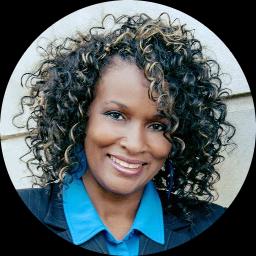
Therapist profile
Cynthia Wells, LMHC
Florida
LMHC in Florida - Anger and Stress
Continue with CynthiaKey details
- CredentialsLMHC
- LicenseLMHC, Florida / MH21778
- NPI1477259489
- Experience5 years
- LanguagesEnglish
- LocationFlorida
About
- ACT and CBT methods
- DBT skills practice
- Relationship work
About Cynthia
Cynthia Wells is a Florida licensed mental health counselor (LMHC) with five years of clinical experience. She works with adults who are dealing with stress, anxiety, depression, grief, bipolar concerns, addictions, relationship strain, parenting pressures, and anger. Sessions are practical and focused on real-life problems people bring into the room.
She uses straightforward conversation to identify what feels stuck and what changes would make a difference. She draws on methods such as Acceptance and Commitment Therapy, Cognitive Behavioral Therapy, and Dialectical Behavior Therapy to help people practice different ways of responding. Emotionally-Focused Therapy and client-centered approaches also inform her work when relationships and feelings are central.
Cynthia aims to be attentive and respectful during sessions. She and the client set goals and check progress along the way. That can mean learning skills to manage sudden irritation, building routines that reduce simmering resentment, or approaching grief and loss without getting overwhelmed.
Her background includes supporting people through trauma and abuse, caregiving stress, codependency, and a range of personality and attachment issues. She also helps with career stress, coaching around life changes, and challenges related to ADHD and self-esteem.
People who meet with her can expect a mix of skill teaching, reflection, and practical planning. She invites clients to try strategies in between sessions and brings adjustments back into follow-ups. The emphasis is on usable steps that fit daily life, not abstract theory.
How sessions work
Approach and how online sessions are used
Acceptance and Commitment Therapy (ACT) focuses on noticing thoughts and feelings without getting driven by them and clarifying personal values to guide action. It can help when anger feels automatic and you want different long-term habits. Cognitive Behavioral Therapy (CBT) looks at the links between thoughts, feelings, and behaviors and teaches practical skills to shift unhelpful patterns. CBT is useful for workplace anger and recurrent negative thinking. Dialectical Behavior Therapy (DBT) teaches emotion regulation, distress tolerance, and interpersonal effectiveness skills that are helpful when strong emotions disrupt daily life.Finding the right approach is part of the work. The therapist will collaborate with the client to pick strategies based on their goals, preferences, and what comes up in early sessions. That may mean combining elements of ACT, CBT, and DBT so skill-building and personal values reinforce each other.
Session formats are not specified in the biography, so confirm current options before booking. Online sessions can make it easier to fit therapy into a busy week, allow shorter check-ins when time is limited, and reduce commute time. They also let people try methods and report back easily between appointments. Licensed professionals will work with clients to match session rhythm and tools to daily life rather than promise a single fixed path.
Areas of focus
Areas of expertise
Primary focus
Also works with
Additional focus areas
Therapeutic approaches
Experience
5+ years
Listed in
Florida
Languages
English
Questions
Frequently asked questions
What concerns does she address related to anger?
She helps people who struggle with snapping at loved ones, workplace frustration, built-up resentment, and reactions to others' anger. Anger is listed among her practice areas alongside stress, anxiety, and relationship issues.
What is her general therapeutic style?
She uses practical, conversational sessions that combine skill teaching and reflection. Approaches mentioned include ACT, CBT, DBT, EFT, and client-centered methods.
How long has she practiced?
She has five years of professional work experience as a clinician.
What are her credentials and location?
She is a Florida LMHC and practices from Florida.
Can sessions be done in languages other than English?
Sessions are offered in English.
Does she accept clients from other countries?
International clients are accepted.
How does billing and cost work?
Cost varies with location and sessions use a subscription that can be canceled at any time.
How do I begin working with her?
Select the See online therapy options button, complete a short matching questionnaire, and schedule a first session.
Details come from information the therapist supplied to BetterHelp. A license can be checked with the state board.
Online talk therapy is not emergency care. If anyone is unsafe, use the crisis numbers.