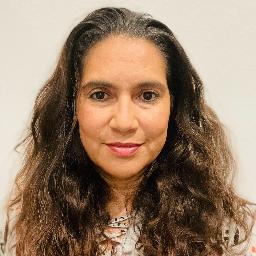
Therapist profile
Diana Perez-Curry, LCSW
Florida
LCSW - Anger and relationship concerns
Continue with DianaKey details
- CredentialsLCSW
- LicenseLCSW, Florida / SW17811
- NPI1093192957
- Experience8 years
- LanguagesEnglish, Spanish
- LocationFlorida
About
- CBT techniques
- DBT skills
- Client-centered care
About Diana
Diana Perez-Curry is a Licensed Clinical Social Worker (LCSW) in Florida with eight years of practice listed for this profile. She speaks English and Spanish and helps people with anger, anxiety, depression, relationship and parenting concerns among other issues.
She draws on concrete, skills-based approaches in session. Diana uses cognitive behavioral techniques to identify and change unhelpful thinking patterns. She also uses dialectical behavior strategies to teach emotion regulation and distress tolerance skills.
Her background includes long experience in social work settings supporting people affected by trauma, abuse, domestic violence, and related stressors. That experience informs how she recognizes trauma responses and works with people to increase safety and stability in daily life.
Sessions tend to be practical and focused on building tools that can be used between meetings. She incorporates client-centered and solution-focused methods to help clients set achievable goals and notice incremental change. Emotionally-focused interventions are used when relationship patterns and emotional connection are central concerns.
Diana works with issues that often co-occur with anger, such as attachment difficulties, parenting strain, identity questions, and chronic stress. She accepts international clients and provides services in both English and Spanish. To begin, clients use the platform matching system to schedule a first session.
How sessions work
How Diana’s approaches translate to online work
Acceptance and Commitment Therapy (ACT) helps people notice difficult thoughts and feelings without letting those experiences control behavior. ACT is useful for clients who want practical ways to act in line with their values despite anger or anxiety. Cognitive Behavioral Therapy (CBT) focuses on identifying thought patterns that drive strong emotions and testing alternative responses; it is a hands-on approach for changing reactions to stress and triggers. Dialectical Behavior Therapy (DBT) teaches concrete skills for emotion regulation, distress tolerance, and interpersonal effectiveness, which can reduce reactive outbursts and improve communication.Choosing the right approach is collaborative. The therapist will talk with the client about goals, preferences, and what has or has not helped before. Together they try methods and adjust the plan based on what works in daily life.
Session formats are not listed in the biography, so confirm current options before booking. Many people find online sessions easier to fit into a workday or family schedule, and some formats let clients use shorter check-ins when time is tight. Online work can make it simpler to practice skills between meetings and bring real-life situations into discussion. Licensed professionals can adapt exercises like behavioral experiments, skills coaching, and emotion-focused conversations to virtual sessions to help clients manage anger more effectively.
Areas of focus
Areas of expertise
Primary focus
Also works with
Additional focus areas
Therapeutic approaches
Experience
8+ years
Listed in
Florida
Languages
English, Spanish
Questions
Frequently asked questions
What kinds of anger issues does she address?
She helps with snapping at loved ones, built-up resentment, work frustration, and anger related to trauma or relationship strain.
What is her general approach in sessions?
She uses practical, skills-based methods including cognitive behavioral and dialectical behavior strategies alongside client-centered and solution-focused techniques.
How much experience does she bring to therapy?
She has eight years listed for this profile and additional long experience in social work settings supporting people affected by trauma and abuse.
What are her credentials and where is she based?
She is an LCSW licensed in Florida and provides services listed from that location.
Does she offer sessions in other languages?
Sessions are offered in English and Spanish.
What session formats are available?
Session formats are not specified in the biography; confirm current session options before scheduling.
How are sessions priced?
Cost varies with location and sessions use a subscription that can be canceled at any time.
How do I start a first session?
Select the See online therapy options button, complete the short matching questionnaire, and schedule a first session.
Details come from information the therapist supplied to BetterHelp. A license can be checked with the state board.
Online talk therapy is not emergency care. If anyone is unsafe, use the crisis numbers.