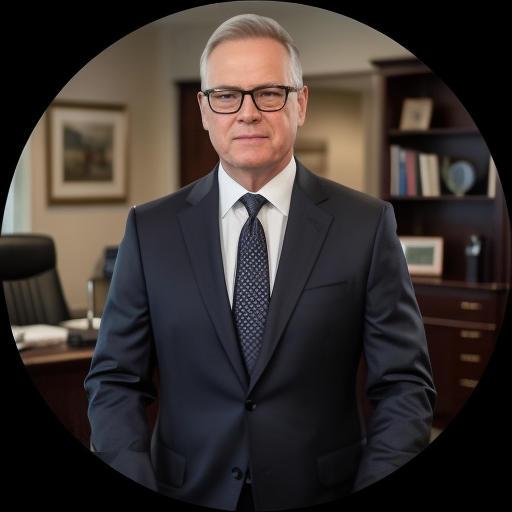
Therapist profile
Dr. Edward Varner, LPC-MHSP
Tennessee
Dr. Edward Varner, LPC-MHSP - Anger and Mood Issues
Continue with EdwardKey details
- CredentialsLPC-MHSP
- LicenseLPC-MHSP, Tennessee / 3516
- NPI1023581758
- Experience30 years
- LanguagesEnglish, Japanese
- LocationTennessee
About
- Anger management
- Trauma recovery
- Mood disorder support
About Edward
Dr. Edward Varner is a Tennessee LPC-MHSP with 30 years of clinical experience. He helps people address anger, depression, relationship problems, trauma, and mood disorders. He works with individuals who want clearer communication, steadier moods, and better coping skills.
He draws on multiple therapy approaches to match what a person needs in session. Work may include practical skills for managing strong emotions, unpacking how past relationships shape current reactions, and learning ways to shift unhelpful thinking. Sessions are conversational and focused on small, useful changes rather than lengthy theory talks.
Dr. Varner notes a perspective informed by his Christian values and a conservative outlook. That background shapes how he listens and talks about goals with people who prefer those frameworks. It does not change the focus on concrete steps for managing anger, improving relationships, and handling grief or life transitions.
He has particular experience supporting people with mood disorders, military or first responder backgrounds, and those working through trauma or addiction. He also addresses concerns such as body image, attachment issues, ADHD, and intimacy-related problems. Work can move between skill-building and deeper exploration depending on the situation.
Sessions can include short-term goal work or longer-term therapy. Dr. Varner speaks English and Japanese, and he accepts international clients. Before booking, confirm the current session options and logistics to match your needs.
How sessions work
How therapeutic approaches translate into online work
Acceptance and Commitment Therapy (ACT) focuses on identifying personal values and taking small, value-driven actions even when feelings are intense. It helps with anger by shifting attention toward what matters and practicing flexible responses. Cognitive Behavioral Therapy (CBT) looks at the link between thoughts, feelings, and actions; it teaches concrete skills for spotting and changing unhelpful thinking that fuels anger and mood problems.Finding the right approach is part of the work. The therapist will collaborate with each person to decide whether ACT, CBT, or another method fits best. That decision is based on current goals, how someone prefers to work, and what seems practical for day-to-day life.
Session logistics should be confirmed before booking since formats are not specified here. Online work can make it easier to fit appointments into a busy schedule, allow shorter check-ins when time is limited, and reduce travel time. If you plan to use sessions while juggling work, caregiving, or travel, confirm which session formats are offered and how they are scheduled so you can pick an option that fits your routine.
Areas of focus
Areas of expertise
Primary focus
Also works with
Additional focus areas
Therapeutic approaches
Experience
30+ years
Listed in
Tennessee
Languages
English, Japanese
Questions
Frequently asked questions
What kinds of anger issues does he help with?
He works with people who snap at loved ones, feel growing resentment, or struggle with workplace frustration. Anger is addressed alongside related issues like relationship conflict and stress.
What is his general therapy style?
He uses conversational, skill-focused sessions that mix practical emotion regulation and reflective work. The approach balances immediate coping skills with examining relationship patterns.
How much clinical experience does he have?
He has 30 years of experience working with mood disorders, trauma, and relationship concerns. That background includes work with veterans and first responders.
What credential does he hold and where is he based?
He is a Tennessee LPC-MHSP and practices from Tennessee. Use that license title when checking credentials.
Which languages are offered in sessions?
Sessions are offered in English and Japanese.
Can people outside the US work with him?
He accepts international clients. Confirm any logistical or licensing details that apply to your location before scheduling.
How are sessions scheduled and paid for?
Cost varies by location and sessions use a subscription model that can be canceled at any time. Check the platform for current pricing tied to your region.
What are the first steps to begin?
Select the See online therapy options button, complete the short matching questionnaire, and schedule a first session. That starts the intake and scheduling process.
Details come from information the therapist supplied to BetterHelp. A license can be checked with the state board.
Online talk therapy is not emergency care. If anyone is unsafe, use the crisis numbers.