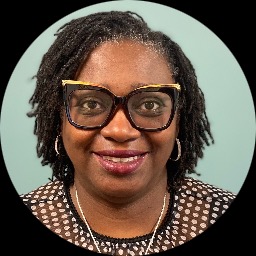
Therapist profile
Felicia Bates, LCSW
Indiana
Licensed Clinical Social Worker - Anger and Family Concerns
Continue with FeliciaKey details
- CredentialsLCSW
- LicenseLCSW, Indiana / 34007676A; LCSW, Maine / LC22065; LCSW, New Jersey / 44SC06202200
- NPI1760674634
- Experience24 years
- LanguagesEnglish
- LocationIndiana
About
- ACT techniques
- CBT tools
- Mindfulness skills
About Felicia
Felicia Bates is a Licensed Clinical Social Worker (LCSW) with 24 years of professional experience. She is licensed in Maine and New Jersey and practices in Indiana. Her background centers on helping people handle family conflict, trauma and abuse, grief, low self-esteem, stress, anxiety, parenting concerns, and anger.
She uses straightforward conversation to clarify what is most pressing. Sessions focus on practical steps that reduce stress and improve communication. She also works on motivation, confidence, and coping with life changes.
Felicia draws from several well-known approaches. She uses Acceptance and Commitment Therapy to help people notice unhelpful thoughts and act on values. Cognitive Behavioral Therapy is used to spot patterns of thinking that feed anxiety and anger. Mindfulness and Dialectical Behavior Therapy skills are offered for managing intense emotions and building steadier responses.
Her style is direct and respectful. She listens first, then helps set goals a person can try between sessions. Conversations often include exercises and concrete tools people can use at home or at work.
People who are frustrated by repeated arguments, workplace tension, simmering resentment, or grief may find this practical focus useful. She also supports clients dealing with career strain, bipolar disorder, depression, and caregiver stress. Getting started means picking a clear first step and testing what works in everyday life.
How sessions work
How her approaches translate to online sessions
Acceptance and Commitment Therapy (ACT) helps people notice painful thoughts and choose actions that reflect their values rather than reacting on impulse. ACT can be useful for anger that leads to regretted behavior or when frustration gets in the way of relationships.Cognitive Behavioral Therapy (CBT) focuses on identifying patterns of thinking that fuel anger and anxiety and on trying different responses. CBT gives concrete exercises to change unhelpful thoughts and behaviors between sessions.
Mindfulness skills and elements of Dialectical Behavior Therapy (DBT) are used to reduce emotional reactivity and strengthen distress tolerance. These practices teach short techniques people can use when they feel overwhelmed.
She approaches finding the right method as a collaborative process. The therapist will review your goals and try approaches that fit your situation. Over a few sessions you and she will notice what helps and adjust the plan together.
The biography does not list specific session formats, so confirm current online options before booking. Many people find online work helpful because it can fit around work or caregiving, make it easier to follow through on weekly sessions, and allow practice of skills between meetings. Online sessions can also accommodate shorter check-ins when life gets busy, helping keep progress gradual and practical.
Areas of focus
Areas of expertise
Primary focus
Also works with
Additional focus areas
Therapeutic approaches
Experience
24+ years
Listed in
Indiana, Maine, New Jersey
Languages
English
Questions
Frequently asked questions
What kinds of problems does she help with?
She works with family conflict, trauma and abuse, grief, self-esteem, stress, anxiety, relationship and parenting concerns, anger, career and mood issues such as bipolar and depression.
What is her approach in sessions?
She uses practical conversation, exercises, and skill-building. Therapy emphasizes clear goals and tools to try between visits.
How much experience does she have?
She has 24 years of professional experience supporting people with a wide range of concerns.
What are her credentials and where does she practice?
She is a Licensed Clinical Social Worker (LCSW) and practices in Indiana. She also holds LCSW licensure in Maine and New Jersey.
Which languages are sessions offered in?
Sessions are offered in English.
Does she work with international clients?
International clients are not currently accepted.
What does therapy cost?
Cost varies with location and sessions use a subscription that can be canceled at any time.
How do I begin if I want to work with her?
Select the See online therapy options button, complete a short matching questionnaire, and schedule a first session.
Details come from information the therapist supplied to BetterHelp. A license can be checked with the state board.
Online talk therapy is not emergency care. If anyone is unsafe, use the crisis numbers.