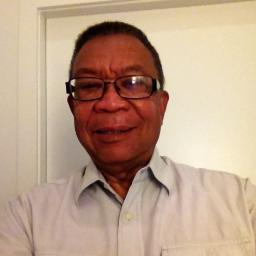
Therapist profile
Gary Grant, LMHC
Washington
LMHC in Washington - Anger and Trauma
Continue with GaryKey details
- CredentialsLMHC
- LicenseLMHC, Washington / LH 60198446
- NPI1104143890
- Experience50 years
- LanguagesEnglish
- LocationWashington
About
- Client-Centered Therapy
- Cognitive Behavioral Therapy
- Attachment-Based methods
About Gary
Gary Grant is a Licensed Mental Health Counselor (LMHC) licensed in Washington with 50 years of experience in education, probation work, and psychotherapy. He works with adults on problems such as stress, anxiety, depression, grief, addictions, anger, and relationship difficulties. He also notes experience with LGBT concerns and multicultural issues related to Native American and African heritage.
Grant began his clinical orientation with client-centered therapy and has built an integrative practice over decades. He uses cognitive approaches and attachment-based ideas to help people recognize patterns that keep them stuck. Sessions can include focused skills for emotional regulation and practical strategies to change habits that increase anger or anxiety.
His background includes long-term work in residential settings, community corrections, and mindfulness-based group therapy for emotional regulation. That work addressed PTSD, trauma-related depression and anxiety, and anger linked to domestic violence and bipolar disorder. He also spent years working cross-culturally on reservations and in Alaska with Native communities.
Grant trained in hypnotherapy and has incorporated ego-state ideas into past practice. He has an academic record that includes a Master of Arts in Education, Psychology, Guidance and Counseling and graduate coursework toward a PsyD. This informs his blend of experiential and talk-based methods.
People looking to manage snapping, built-up resentment, irritability at work, or reactivity in relationships will find an approach focused on skills, reflection, and longer-term pattern change. He offers therapy informed by decades of varied practice and cultural experience.
How sessions work
How his therapeutic approaches guide online work
Attachment-Based Therapy in his practice looks at how past relationships shape current reactions. It helps people notice patterns of closeness, withdrawal, and reactivity that can fuel anger and mistrust. Client-Centered Therapy focuses on listening and working from the client’s experience. It supports people who need space to talk through strong feelings and figure out what matters to them. Cognitive Behavioral Therapy (CBT) targets the thoughts and habits that feed upset and impulsive responses. CBT offers concrete exercises and small behavioral experiments to test new ways of reacting.Choosing the right approach is collaborative. The therapist will discuss goals and try methods that fit the person’s needs and preferences. That means deciding together whether to use more reflective work, skills training, or a mix of both as sessions progress.
The biography does not list specific session formats, so confirm current options before booking. Online work can make it easier to fit therapy into a busy life, shortening travel time and letting people take a brief check-in during a break from work. It can also allow for phone-only contact when a video call is not needed, or for longer sessions focused on practice and skills without commuting. Licensed professionals can adapt these methods to the practicalities of each person’s schedule and goals.
Areas of focus
Areas of expertise
Primary focus
Also works with
Additional focus areas
Therapeutic approaches
Experience
50+ years
Listed in
Washington
Languages
English
Questions
Frequently asked questions
What kinds of concerns does he address?
He works with stress, anxiety, depression, grief, addictions, anger, relationship and intimacy issues, and many trauma-related concerns.
What is his therapeutic style?
He practices an integrative, client-centered approach that mixes talk therapy with cognitive and attachment-based ideas.
How much clinical experience does he have?
He has 50 years of professional experience spanning education, probation work, residential therapy, and community mental health.
What are his credentials and location?
He is a Licensed Mental Health Counselor (LMHC) licensed in Washington State.
Can I work with him if I live outside the US?
Sessions are offered to international clients as noted in his profile and are conducted in English.
What session formats does he offer?
The biography does not specify session formats. Please confirm current session options before booking.
How are fees handled?
Cost varies with location and sessions use a subscription that can be canceled at any time.
How do I begin working with him?
Start by selecting the See online therapy options button, complete a short matching questionnaire, and schedule a first session.
Details come from information the therapist supplied to BetterHelp. A license can be checked with the state board.
Online talk therapy is not emergency care. If anyone is unsafe, use the crisis numbers.