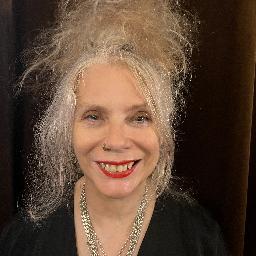
Counsellor profile
Julia Jakeman, BACP, NCPS
United Kingdom
Counsellor - Addiction and relationships
Continue with JuliaKey details
- CredentialsBACP, NCPS
- RegistrationBACP, United Kingdom / 391902; NCPS, United Kingdom / NCS22-02999
- Experience5 years
- LanguagesEnglish
- LocationUnited Kingdom
About
- Attachment-based work
- Emotion-focused methods
- Trauma processing
About Julia
Julia Jakeman is a counsellor registered with the British Association for Counselling and Psychotherapy (BACP) and a member of the National Counselling and Psychotherapy Society (NCPS). She has five years' experience working with adults and couples, and with issues such as addiction, relationship difficulties, anxiety, depression and anger.
She offers straightforward talking therapy aimed at helping people understand how their feelings and behaviours link together. Sessions focus on patterns in relationships, responses to stress, and how past experiences shape present reactions. That includes work on anger, problematic alcohol use and coping with life changes.
Her way of working mixes several established approaches. She uses attachment-based ideas to look at how early bonds affect current closeness and conflict. Emotionally-Focused Therapy (EFT) methods are used to help people notice and name strong feelings, and the Gottman and Imago ideas are drawn in when couples want practical ways to communicate differently.
EMDR is part of her toolkit for people whose anger or anxiety is tied to past trauma. In practice she aims to move between shorter focused work and longer explorations, depending on what someone needs. Sessions are conversational and goal-oriented, with practical steps to try between meetings.
Julia works in the United Kingdom and runs both face-to-face and remote sessions. She has worked with more than 1,000 hours of client contact, with a particular background in addiction and alcohol-related issues.
How sessions work
How her approaches translate to online work
Julia uses Attachment-Based Therapy to look at how early relationships shape current reactions, helping people see patterns in closeness and conflict. Emotionally-Focused Therapy (EFT) is used to help clients recognise, name and work with strong emotions that fuel anger or disconnection. Eye Movement Desensitization and Reprocessing (EMDR) is offered as a way to address traumatic memories that may underlie persistent anger and anxiety.Choosing an approach is collaborative. The therapist will discuss goals, past therapy and current triggers, then suggest which methods to try first. Clients and the therapist review progress together and adjust the plan as needed, moving between shorter practical work and deeper processing when appropriate.
The biography indicates she has provided both face-to-face and remote work. Confirm the exact remote formats available before booking so they meet your needs. Online sessions can help fit therapy into a busy day, allow easier access when travel is difficult, and make it simpler to schedule a short check-in or regular weekly hour. The therapist will discuss session length and frequency so the work can fit into everyday life rather than adding more pressure.
Areas of focus
Areas of expertise
Primary focus
Also works with
Additional focus areas
Therapeutic approaches
Experience
5+ years
Listed in
United Kingdom
Languages
English
Questions
Frequently asked questions
Which problems does she help with?
She works with stress, anxiety, depression, addiction, relationship issues, anger and related concerns such as grief and self-esteem.
What is her therapeutic style?
Her approach blends attachment-based work, Emotionally-Focused Therapy and elements from the Gottman and Imago models to address feelings and interaction patterns.
How much clinical experience does she have?
She has five years' experience and over 1,000 hours of face-to-face and remote client work, including a focus on addiction and alcohol-related problems.
What credentials and location are listed?
She is registered with the British Association for Counselling and Psychotherapy (BACP) and the National Counselling and Psychotherapy Society (NCPS) and works in the United Kingdom.
Can I work with her if I live outside the UK?
Sessions are offered to international clients and are conducted in English.
What session formats are used?
The biography mentions both face-to-face and remote work; confirm current session options before booking to make sure they suit you.
How are fees handled?
Cost varies with location and sessions use a subscription model that can be cancelled at any time.
What do I do to get started?
Select the See online therapy options button, complete a short matching questionnaire, and schedule a first session.
Details come from information the counsellor supplied to BetterHelp. A registration can be checked with the body that issued it.
Online talk therapy is not emergency care. If anyone is unsafe, use the crisis numbers.