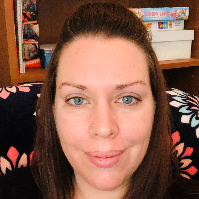
Therapist profile
Katherine Waldrop, LCMHC
North Carolina
Licensed Clinical Mental Health Counselor - Anger and Trauma
Continue with KatherineKey details
- CredentialsLCMHC
- LicenseLCMHC, North Carolina / S9665
- NPI1336498229
- Experience11 years
- LanguagesEnglish
- LocationNorth Carolina
About
- CBT methods
- Mindfulness practices
- Emotion-focused work
About Katherine
Katherine Waldrop is a Licensed Clinical Mental Health Counselor (LCMHC) in North Carolina with 11 years of post-licensure clinical practice. She works with adults around stress, anxiety, anger, depression, relationship concerns, and life changes. Katherine also notes experience with ADHD, addictions, grief, and issues related to gender and sexuality. She offers straightforward, interactive counseling and describes her style as open with a touch of tough love.
Her background includes work in special education and intensive in-home services, followed by outpatient therapy. That variety shaped a practical approach to everyday problems. She uses Cognitive Behavioral Therapy and trauma-informed CBT when relevant. She also draws on Client-Centered methods, Emotionally-Focused Therapy, mindfulness, and motivational interviewing.
In session she focuses on specific behaviors and thought patterns that keep problems going. Conversations include identifying triggers, testing small changes, and practicing new ways to respond to anger or stress. She aims to be honest and direct while treating people with respect and sensitivity.
Katherine has worked with people facing adoption and foster care concerns, attachment and blended family issues, caregiver stress, and body image struggles. She also addresses communication problems, codependency, impulsivity, and mood disorders. Her work includes attention to eating, sleeping, intimacy, and career-related difficulties.
Clients can expect a practical plan rather than long lists of techniques. Katherine frames therapy as a partnership where goals and steps are clear. She asks people to try changes between sessions and discusses what worked and what did not in the next visit.
How sessions work
How her approaches translate to online work
Client-Centered Therapy focuses on listening and responding to what matters most to the client. It helps when someone needs a steady, respectful conversation about feelings, relationships, or life decisions.Cognitive Behavioral Therapy (CBT) addresses the link between thoughts, feelings, and actions. It is practical for anger, anxiety, depression, and problems like impulsivity by testing new thinking and trying small behavioral experiments between sessions.
Emotionally-Focused Therapy (EFT) helps people notice and name feelings in the moment and try different responses in relationships. It can be useful when anger is tied to closeness, attachment, or repeated conflict patterns.
Choosing an approach is part of the work. Katherine will collaborate to find which methods fit the client's goals and preferences. She checks in about what helps and adjusts plans based on feedback, so therapy stays aligned with what the client wants to address.
The biography does not list specific session formats, so confirm current options before you book. Online sessions can make it easier to fit appointments into a day, shorten check-ins when time is limited, or avoid travel. Therapists and licensed professionals often use these practical benefits to keep therapy workable alongside work, family, and other responsibilities.
Areas of focus
Areas of expertise
Primary focus
Also works with
Additional focus areas
Therapeutic approaches
Experience
11+ years
Listed in
North Carolina
Languages
English
Questions
Frequently asked questions
What concerns does she address related to anger?
She lists anger among many concerns and works with stress, relationship tension, impulsivity, and family conflict that often connect to anger.
What is her general approach in sessions?
She uses an interactive, direct style described as open with a touch of tough love. Sessions focus on behavior, thoughts, and practical steps to change reactions.
How much clinical experience does she have?
She has practiced in mental health since 2005 and has been fully licensed in North Carolina since 2010, totaling 11 years post-licensure experience.
What are her credentials and where is she based?
She is an LCMHC - Licensed Clinical Mental Health Counselor - practicing in North Carolina.
Does she offer sessions in other languages or to international clients?
Sessions are offered in English, and she accepts international clients.
Which session formats are available?
The original biography does not list specific session formats; please confirm current session options before booking.
How does payment and cost work?
Cost varies with location and sessions use a subscription that can be canceled at any time.
What do I do to start working with her?
Select the See online therapy options button, complete a short matching questionnaire, and schedule a first session.
Details come from information the therapist supplied to BetterHelp. A license can be checked with the state board.
Online talk therapy is not emergency care. If anyone is unsafe, use the crisis numbers.