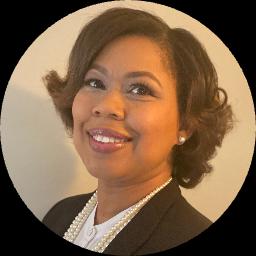
Therapist profile
Kenita Perry-Bell, LCSW
Illinois
Licensed Clinical Social Worker - Anger and Life Stress
Continue with KenitaKey details
- CredentialsLCSW
- LicenseLCSW, Illinois / 149015679; LCSW, Texas / 111880; LCSW, Indiana / 34010904A; LCSW, Nevada / 11375-C
- NPI1780921494
- Experience15 years
- LanguagesEnglish
- LocationIllinois
About
- Client-centered work
- Cognitive behavioral tools
- Mindfulness practice
About Kenita
Kenita Perry-Bell is a Licensed Clinical Social Worker (LCSW) based in Illinois with 15 years of clinical and coaching experience. She has worked in health settings and with people managing substance use concerns. Her listed practice areas include stress, anxiety, grief, anger, self esteem, depression, addictions, relationship and family issues, trauma and abuse, and related concerns.
She also notes experience supporting people facing medical challenges, including breast cancer, and those caring for someone with chronic illness. Kenita brings life experience alongside clinical work and offers a practical, interactive approach during sessions. She uses straightforward conversation to identify what feels most urgent and manageable.
Her stated methods include client-centered conversation, cognitive behavioral strategies, mindfulness practices, motivational interviewing, and psychodynamic ideas. Sessions often involve talking through recent events, noticing patterns, and trying small behavior changes between meetings. Mindfulness practices are used to help with distress and grounding when feelings feel overwhelming.
Kenita frames work as collaborative and action-oriented. She will discuss goals and adjust what happens in session based on how a person responds. Her background in coaching means she sometimes focuses on skills for day-to-day functioning as well as emotional processing.
The profile says she is currently working with people who are interested in using the chat feature. Prospective clients should confirm session details and formats before booking, and use the site matching steps to schedule an initial meeting.
How sessions work
How her approaches translate to online work
Client-Centered Therapy focuses on listening and helping the client set the direction of sessions. It supports people who want someone to reflect back what they notice and to help clarify goals. Cognitive Behavioral Therapy (CBT) looks at thought and behavior patterns and uses small experiments or exercises to shift unhelpful reactions. CBT is often used for anxiety, anger, and mood concerns. Mindfulness Therapy teaches simple attention and breathing practices to reduce reactivity and improve focus during stressful moments.Finding the right mix of methods is part of the work together. The therapist will talk with each person about what feels most useful and will try approaches collaboratively. Goals, preferences, and how someone responds guide which methods get emphasized in future sessions.
The biography notes use of the chat feature, so confirm available session formats before booking if you prefer video or phone. Online work can make it easier to fit sessions into a workday, allow shorter check-ins when needed, or remove the need to travel. Those practical benefits often help people maintain consistency while they practice skills and try new ways of responding to anger and stress.
Areas of focus
Areas of expertise
Primary focus
Also works with
Additional focus areas
Therapeutic approaches
Experience
15+ years
Listed in
Illinois, Texas, Indiana, Nevada
Languages
English
Questions
Frequently asked questions
What kinds of concerns does she address?
She works with stress, anxiety, grief, anger, self esteem, depression, addictions, relationship and family problems, trauma and related issues.
What is her general therapy style?
She describes an interactive, client-centered style that mixes conversation with practical strategies and skills practice.
How long has she practiced clinically?
She has 15 years of experience as a therapist and life coach, including work in health care settings.
What credentials and location are listed?
She is an LCSW licensed in Illinois and lists both IL LCSW and TX LCSW credential information; the profile location is Illinois.
Which languages and international clients are supported?
Sessions are offered in English and she accepts international clients.
What session formats are used?
The original biography indicates work with the chat feature; confirm current session options before booking if you need a different format.
How are fees handled?
Cost varies with location and sessions use a subscription model that can be canceled at any time.
How do I begin working with her?
Use the See online therapy options button, complete the short matching questionnaire, and schedule a first session through the site steps.
Details come from information the therapist supplied to BetterHelp. A license can be checked with the state board.
Online talk therapy is not emergency care. If anyone is unsafe, use the crisis numbers.