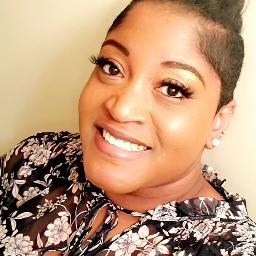
Therapist profile
Latoyia Miller, LCMHC
North Carolina
Licensed counselor - Anger and stress
Continue with LatoyiaKey details
- CredentialsLCMHC
- LicenseLCMHC, North Carolina / 9062
- NPI1407092117
- Experience11 years
- LanguagesEnglish
- LocationNorth Carolina
About
- Client-centered methods
- Cognitive behavioral tools
- Solution-focused steps
About Latoyia
Latoyia Miller is a Licensed Clinical Mental Health Counselor (LCMHC) in North Carolina with 11 years of experience. She works with adults around stress, anxiety, anger, low self-esteem, depression, ADHD, addictions, relationship and family concerns, grief, parenting challenges, bipolar disorder, and coping with life changes.
Her approach is person-centered and goal oriented. Sessions focus on practical steps and shared decision making. She frames therapy as teamwork, helping people set clear goals and track progress rather than relying on vague promises.
Miller uses straightforward, evidence-informed methods. She draws on client-centered work to center the person's priorities, cognitive behavioral ideas to identify thoughts and behaviors that keep problems going, and solution-focused strategies to build small, manageable changes. Motivational interviewing is used when people are weighing change, and narrative techniques help reframe difficult life stories.
Her background includes a Master of Science in Rehabilitation Counseling and a Bachelor of Arts in Psychology. She has worked across a range of settings, including outpatient care, substance use treatment, group work, school-based services, inpatient hospital therapy, and intensive in-home services. That range informs a practical, do-able style in sessions.
People who reach out can expect clear goal-setting, hands-on strategies for anger and related concerns, and collaborative planning for next steps. If someone wants to work on snapping at loved ones, workplace frustration, or built-up resentment, she focuses on skills and short-term changes that fit daily life.
How sessions work
Approaches used in remote sessions and how they help
Client-centered therapy centers the person's priorities and values. It starts by asking what matters most and building sessions around those goals. This approach helps when someone needs straightforward attention to practical problems and wants the therapist to follow their lead.Cognitive Behavioral Therapy, or CBT, helps people spot patterns of thought and behavior that worsen anger, stress, or depression. It uses short exercises and real-world practice to change how situations are interpreted and responded to. Solution-focused therapy aims for small, achievable changes and quick steps forward, which can reduce frustration and build momentum.
Deciding which approach to use is a collaborative process. The therapist will work with the client to test methods, adjust techniques, and pick what fits the person's needs and goals. That flexibility helps match methods to problems like workplace irritation, family tension, or impulsive reactions.
The biography does not list specific online session formats, so confirm available options before booking. Online work can make it easier to fit sessions into a busy week, allow shorter check-ins when needed, and remove commuting time. It also lets people use methods like CBT exercises and motivational interviewing in between sessions, so skills practiced in remote meetings can be applied to everyday situations.
Areas of focus
Areas of expertise
Primary focus
Also works with
Additional focus areas
Therapeutic approaches
Experience
11+ years
Listed in
North Carolina
Languages
English
Questions
Frequently asked questions
What kinds of anger and related concerns does she address?
She helps with snapping at loved ones, workplace frustration, resentment that builds up, and other anger-related issues as part of a broader focus on stress, anxiety, depression, relationship and family concerns.
How would you describe her therapy style?
She uses a person-centered, goal-oriented style that emphasizes teamwork and practical steps. Sessions focus on setting goals, tracking progress, and building skills.
What is her clinical experience?
She has 11 years of experience working in mental health and substance use settings, including outpatient care, group therapy, school-based services, inpatient hospital work, and intensive in-home therapy.
What credentials and location are listed?
She is a Licensed Clinical Mental Health Counselor (LCMHC) licensed in North Carolina.
Does she offer sessions in other languages or to international clients?
Sessions are offered in English. She is not currently accepting international clients.
What session formats are used?
The original biography does not list specific session formats. Confirm the current session options before booking to know whether sessions are in-person, phone, or video.
How does payment and cost work?
Cost varies with location and sessions use a subscription model that can be canceled at any time.
How do I begin working with her?
Begin by selecting the See online therapy options button, completing a short matching questionnaire, and scheduling a first session.
Details come from information the therapist supplied to BetterHelp. A license can be checked with the state board.
Online talk therapy is not emergency care. If anyone is unsafe, use the crisis numbers.