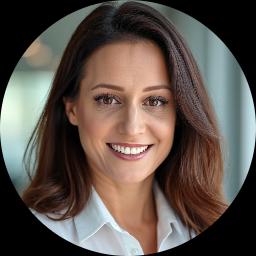
Therapist profile
Laura Arnold, LCPC, LPC
South Carolina
Licensed counselor - Anger and mood concerns
Continue with LauraKey details
- CredentialsLCPC, LPC
- LicenseLMHC, Florida / MH18354; LPC, South Carolina / 9170; LCPC, Nevada / CP5628-R; LPC, Arizona / LPC-22745
- NPI1891348348
- Experience9 years
- LanguagesEnglish
- LocationSouth Carolina
About
- CBT techniques
- DBT skills
- Motivational interviewing
About Laura
Laura Arnold is a Licensed Clinical Professional Counselor (LCPC) and a Licensed Professional Counselor (LPC) with nine years of clinical experience. She practices in South Carolina and works with adults dealing with stress, anxiety, addictions, relationships, grief, depression, anger, self-esteem, and other life changes.
Her approach is conversational and interactive. Sessions focus on practical skills and clear goals rather than only talking about feelings. She draws on client-centered methods to prioritize each person's experience and uses cognitive behavioral strategies to challenge unhelpful thinking patterns.
Laura has worked in private-practice settings and in substance abuse inpatient, partial hospitalization, outpatient, and correctional facilities. That background gives her experience with people facing addiction, personality-related struggles, and complex emotional challenges.
In session she also uses techniques from dialectical behavior therapy to help with emotional regulation and distress tolerance. Motivational interviewing is part of her toolkit for supporting change when someone feels stuck or ambivalent about making different choices.
Her style is straightforward and practical. She helps people break down patterns that lead to snapping, building resentment, avoidance, or unhealthy coping. Work often involves learning new skills, testing small changes in daily life, and reviewing what does and doesn’t work.
Clients should expect a collaborative process that balances skills practice with conversations about values and goals. Sessions move at a pace set by the client, with attention to real-world problems like work stress, relationship strain, and substance concerns.
How sessions work
How her approaches work in online sessions
Client-centered therapy emphasizes the person's own perspective. It involves listening closely and reflecting back what matters to the client so they can make clearer choices. This approach helps when someone needs a steady, respectful space to sort feelings and priorities.Cognitive Behavioral Therapy (CBT) focuses on identifying unhelpful thoughts and testing more useful thoughts in everyday situations. It often includes small experiments and homework to change patterns that feed anger, anxiety, or low mood.
Dialectical Behavior Therapy (DBT) provides concrete skills for emotion regulation, distress tolerance, and better interpersonal interactions. Those skills are useful for reducing reactivity and improving communication when frustration rises.
Finding the right approach is part of the work. The therapist and client will decide together which methods to emphasize based on current problems, goals, and personal preferences. That collaborative decision can shift as progress is made or new challenges appear.
If you are considering online sessions, confirm the session formats available before booking. Online work can make it easier to fit therapy around work, family, or travel. It often lets people check in from different locations, use shorter or more frequent appointments when needed, or avoid commuting on a busy day. Ask about the specific options offered so they match your routine and needs.
Areas of focus
Areas of expertise
Primary focus
Also works with
Additional focus areas
Therapeutic approaches
Experience
9+ years
Listed in
Florida, South Carolina, Nevada, Arizona
Languages
English
Questions
Frequently asked questions
What kinds of anger-related problems does she address?
She works with adults who struggle with snapping at loved ones, building resentment, frustration at work, and other anger-related issues alongside stress, anxiety, and addiction concerns.
How would you describe her therapeutic style?
Her style is conversational and interactive, focusing on practical skills, clear goals, and applying techniques in daily life.
How much clinical experience does she have?
She has nine years of experience working in private-practice settings and in substance abuse and correctional facilities.
What are her credentials and where does she practice?
She holds LCPC and LPC credentials and practices in South Carolina.
Can sessions be held in languages other than English?
Sessions are offered in English.
Does she work with clients outside the United States?
She accepts international clients; confirm session logistics and any time zone arrangements before booking.
How are fees and payment handled?
Cost varies with location and sessions use a subscription that can be canceled at any time.
What should I do to begin working with her?
Select the See online therapy options button, complete a short matching questionnaire, and schedule a first session.
Details come from information the therapist supplied to BetterHelp. A license can be checked with the state board.
Online talk therapy is not emergency care. If anyone is unsafe, use the crisis numbers.