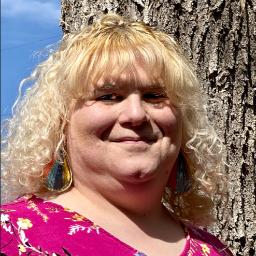
Therapist profile
Liz Smith, LMHC, LCPC
Florida
Licensed counselor - Anger and trauma
Continue with LizKey details
- CredentialsLMHC, LCPC
- LicenseLCPC, Montana / BBH-LCPC-LIC-37454; LCMHC, Utah / 12981248-6004; LMHC, Florida / MH21381
- NPI1659743961
- Experience10 years
- LanguagesEnglish, Spanish
- LocationFlorida
About
- Client-centered approach
- CBT and DBT techniques
- EMDR and mindfulness
About Liz
Liz Smith is a Licensed Mental Health Counselor (LMHC) and a Licensed Clinical Professional Counselor (LCPC) with ten years of practice. She works with adults on stress, anxiety, addictions, trauma and abuse, anger, and related concerns such as grief, relationship strain, and sleep problems. Sessions are conducted in English and Spanish and she practices from Florida.
Her style centers on client-centered therapy - she listens first and helps people make their own decisions. She also uses Cognitive Behavioral Therapy (CBT), Dialectical Behavior Therapy (DBT) techniques, Eye Movement Desensitization and Reprocessing (EMDR), and mindfulness approaches as tools when they fit a person’s needs. Treatment can be solution-focused when a client prefers practical steps.
Liz often works with people coping with attachment or abandonment concerns, body image and eating issues, chronic illness or pain, and co-occurring substance use. She addresses control and communication problems, codependency, and the aftermath of separation or domestic violence. Anger and impulse-related patterns are included in her list of clinical concerns.
In sessions she draws on moment-to-moment exploration alongside concrete skills training. For example, DBT techniques can teach distress tolerance and emotion regulation, while CBT helps reframe unhelpful thinking that fuels reactive behavior. EMDR is used for resolving traumatic memories when appropriate.
Her training includes a Master of Science in Clinical and Counseling Psychology. Liz emphasizes practical strategies, short skills practice between meetings, and collaborative planning so clients have clear steps to try between sessions.
How sessions work
Therapy approaches and online sessions
Client-centered therapy means the focus is on the person in front of the therapist. Sessions start with listening to current concerns and goals, and work outward from what the client identifies as most pressing. Cognitive Behavioral Therapy (CBT) teaches practical skills to notice unhelpful thoughts and change behaviors that keep anger and anxiety stuck. Dialectical Behavior Therapy (DBT) techniques offer concrete tools for emotion regulation, distress tolerance, and improving communication under stress. Choosing an approach is a collaborative process. The therapist will talk with the client about goals, try out techniques, and adjust methods based on what helps. Some people prefer skill-based work from the start; others begin with processing traumatic memories before moving to coping strategies. Session formats are not detailed in the biography, so confirm current options before booking. Online sessions can make it easier to fit meetings into a busy week, allow shorter check-ins when needed, and remove travel time. These practical benefits help people try strategies in real life between meetings and bring real examples back to sessions for troubleshooting.Areas of focus
Areas of expertise
Primary focus
Also works with
Additional focus areas
Therapeutic approaches
Experience
10+ years
Listed in
Montana, Utah, Florida
Languages
English, Spanish
Questions
Frequently asked questions
What kinds of anger issues does she help with?
She works with adults who struggle with snapping at loved ones, workplace frustration, building resentment, and anger tied to trauma or substance use.
What is her general approach in sessions?
She practices client-centered therapy and listens first, then uses CBT, DBT techniques, EMDR, and mindfulness as appropriate to the person's goals.
How much clinical experience does she have?
She has ten years of clinical practice focused on substance use, trauma, LGBT issues, and related concerns.
What are her credentials and where does she practice?
She is an LMHC and an LCPC practicing in Florida.
Can I work with her if I speak Spanish?
Yes. Sessions are offered in English and Spanish.
Does she accept clients outside the United States?
She does not accept international clients at this time.
How are sessions scheduled and what do they cost?
Cost varies with location and sessions are billed through a subscription that can be canceled at any time.
How do I begin working with her?
Select the See online therapy options button, complete a short matching questionnaire, and schedule a first session.
Details come from information the therapist supplied to BetterHelp. A license can be checked with the state board.
Online talk therapy is not emergency care. If anyone is unsafe, use the crisis numbers.