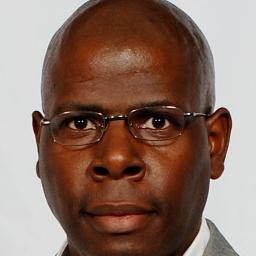
Therapist profile
Dr. Lucian Stamps, LPC
Louisiana
LPC in Louisiana - Anger and Relationship concerns
Continue with LucianKey details
- CredentialsLPC
- LicenseLPC, Louisiana / 6667; LPC, Alabama / 4605
- NPI1215504253
- Experience14 years
- LanguagesEnglish
- LocationLouisiana
About
- Attachment approaches
- Cognitive techniques
- Mindfulness practice
About Lucian
Dr. Lucian Stamps is an LPC in Louisiana with 14 years of experience in counseling. He helps people facing stress, anxiety, relationship and family problems, trauma and abuse, parenting struggles, addictions, grief, intimacy issues, career concerns, depression, coping with life changes, and anger.
He has worked across different settings including substance addiction services, domestic violence programs, school and career counseling, and pastoral counseling. That background means he has experience with people from varied cultural backgrounds and life stages. He also notes work related to juvenile and adult offender issues and veterans and military concerns.
His approach draws on attachment-based ideas and client-centered work, combined with cognitive behavioral techniques, emotionally-focused therapy, and mindfulness. In practice he listens for what matters to the person and uses these methods to address patterns of thought, feeling, and behavior that keep problems going.
Sessions tend to focus on practical changes and clearer communication. He will help clients name recurring patterns, test new ways of responding, and practice skills for stress and anger management. He also offers coaching-oriented support for career and life transitions.
Clients who want a direct but supportive clinician who blends evidence-informed tools with relationship-focused work may find this approach useful. To begin, prospective clients follow the site's matching steps and schedule an initial session.
How sessions work
How his approaches translate to remote sessions
Attachment-based work focuses on patterns in close relationships and helps people understand why certain reactions keep repeating. This approach can help when anger and trust issues show up between partners or family members. Client-centered therapy emphasizes a respectful, listening stance and supports people as they find their own solutions; it is useful for building confidence and clearer communication.Finding the right approach is part of the work. He will discuss goals, preferences, and what feels most helpful, then combine methods that fit the person's needs. That collaboration means methods can shift as progress and challenges change over time.
The biography does not specify which online session formats are offered, so confirm the available options before booking. Online sessions can make it easier to fit therapy into a busy schedule, allow shorter check-ins when needed, and remove travel time. They also let therapists use guided exercises, homework, and mindfulness practices between meetings to support progress.
Areas of focus
Areas of expertise
Primary focus
Also works with
Additional focus areas
Therapeutic approaches
Experience
14+ years
Listed in
Louisiana, Alabama
Languages
English
Questions
Frequently asked questions
What kinds of problems does he help with?
He works with stress, anxiety, relationship and family concerns, trauma and abuse, parenting, addictions, grief, intimacy issues, anger, career issues, depression, and coping with life changes.
What is his therapeutic style?
He blends attachment-based, client-centered, cognitive behavioral, emotionally-focused, and mindfulness approaches and combines relationship-focused work with practical skills.
How much experience does he have?
He has 14 years of experience working in mental health and education settings, including work with addiction services, domestic violence programs, and school counseling.
What are his credentials and where is he located?
He holds the LPC credential and practices in the state of Louisiana.
Which languages are supported and can international clients join?
Sessions are offered in English and he is not accepting international clients.
What session formats are offered?
The original biography does not list specific session formats; please confirm current session options before booking.
How are sessions billed?
Cost varies with location and sessions use a subscription that can be canceled at any time.
How do I get started?
Select the See online therapy options button, complete the short matching questionnaire, and schedule a first session.
Details come from information the therapist supplied to BetterHelp. A license can be checked with the state board.
Online talk therapy is not emergency care. If anyone is unsafe, use the crisis numbers.