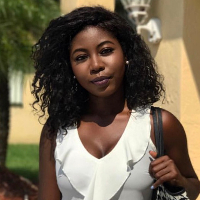
Therapist profile
Markyse Bernadin, LCSW
Florida
Licensed Clinical Social Worker - Anger and Relationships
Continue with MarkyseKey details
- CredentialsLCSW
- LicenseLCSW, Florida / SW17078
- NPI1649890799
- Experience5 years
- LanguagesEnglish, Haitian Creole
- LocationFlorida
About
- CBT and DBT skills
- Client-centered work
- Music informed interventions
About Markyse
Markyse Bernadin is a Licensed Clinical Social Worker (LCSW) practicing in Florida with five years of experience. She offers counseling for stress, anxiety, depression, relationship and parenting concerns, anger, trauma and abuse, addictions, LGBT issues, grief, and related life changes. Sessions are offered in English and Haitian Creole. She uses goal-focused work and provides messaging, phone, or video call options for sessions. Select the See online therapy options button, complete a short matching questionnaire, and schedule a first session to begin.
Markyse describes clients as the experts on their own lives. She uses a practical, realistic style and focuses on helping people identify and reduce stressors. Conversations are direct and action-oriented while still allowing space to express difficult feelings. She may incorporate music-related interventions informed by her personal interest in music.
Her training includes a bachelor’s and master’s degree from Barry University, and she is pursuing a PhD in social work. That background informs work with trauma, family problems, and complex life transitions. She brings five years of clinical practice experience in Florida to sessions.
Therapeutic work commonly blends Client-Centered techniques with Cognitive Behavioral Therapy and Dialectical Behavior Therapy skills. Mindfulness practices and Jungian ideas may also appear in sessions when useful. Practical tools, behavior-focused exercises, and short-term goals are used to address anger, coping, and communication issues.
People seeking help for anger, relationship strain, parenting stress, career pressures, or recovery from trauma can expect straightforward guidance. Markyse asks clients to identify priorities and then helps build steps to reduce reactivity and improve everyday functioning.
How sessions work
How her approaches translate to online sessions
Markyse uses Client-Centered Therapy and Cognitive Behavioral Therapy as core approaches in her work. Client-Centered Therapy emphasizes listening and reflecting so clients feel heard and can make their own decisions; it helps when someone wants a collaborative, paced conversation about feelings and choices. Cognitive Behavioral Therapy focuses on identifying thought and behavior patterns and testing small changes; it is useful for anger, anxiety, and depression where practical skill work matters.She also draws on Dialectical Behavior Therapy skills for emotion regulation and mindfulness techniques to help reduce reactivity. Together these approaches offer both insight and concrete exercises that can be practiced between sessions. Finding the right mix is part of the process and she works with clients to decide which methods fit their goals and daily life.
Session formats listed in the biography include messaging, phone, and video calls. Please confirm current session options before booking. Online work can make it easier to fit sessions into a busy schedule, allow shorter check-ins by phone when time is tight, or use video for more interactive skill practice. The therapist will discuss which format best supports your goals and routines.
Areas of focus
Areas of expertise
Primary focus
Also works with
Additional focus areas
Therapeutic approaches
Experience
5+ years
Listed in
Florida
Languages
English, Haitian Creole
Questions
Frequently asked questions
What concerns does she help with?
She works with stress, anxiety, depression, relationship and parenting concerns, anger, trauma and abuse, addictions, grief, and related life changes.
What is her general therapy style?
Her style is goal-focused and practical with an emphasis on direct conversation and skill-building to reduce reactivity and improve coping.
How much clinical experience does she have?
She has five years of clinical practice as a Licensed Clinical Social Worker in Florida and is working toward a PhD in social work.
What are her credentials and where is she located?
She is an LCSW licensed in Florida and practices from that state.
Which languages are supported in sessions?
Sessions are offered in English and Haitian Creole.
Does she work with international clients?
International clients are not currently accepted.
How are session costs handled?
Cost varies with location and sessions use a subscription that can be canceled at any time.
How do I begin working with her?
Start by selecting the See online therapy options button, complete a short matching questionnaire, and schedule your first session.
Details come from information the therapist supplied to BetterHelp. A license can be checked with the state board.
Online talk therapy is not emergency care. If anyone is unsafe, use the crisis numbers.