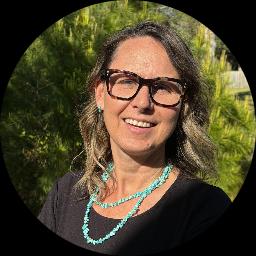
Therapist profile
Mindi Koczot, LCMHC
North Carolina
Licensed Clinical Mental Health Counselor - Anger and Stress
Continue with MindiKey details
- CredentialsLCMHC
- LicenseLCMHC, North Carolina / 14317
- NPI1790439115
- Experience7 years
- LanguagesEnglish
- LocationNorth Carolina
About
- Existential focus
- CBT and DBT skills
- Mind-body techniques
About Mindi
Mindi Koczot is a Licensed Clinical Mental Health Counselor (LCMHC) in North Carolina with seven years of experience. She works with people coping with stress, anxiety, depression, anger, relationship tensions, ADHD, grief, and many other life shifts. She also addresses concerns like body image, attachment wounds, parenting strain, and career frustration.
Mindi draws on existential ideas about meaning and purpose to help people clarify what matters to them. She pairs that with cognitive behavioral techniques to notice and change unhelpful thinking patterns. Dialectical behavior therapy skills are used to build emotion regulation and distress tolerance when reactions feel overwhelming.
Her approach includes practical tools such as breathing exercises, meditation, and positive affirmations. She also incorporates somatic techniques and Emotional Freedom Technique to help people notice how emotions show up in the body. Sessions typically focus on clear, doable strategies alongside deeper questions about values and direction.
Mindi frames work as collaborative. She listens for what is getting in the way of a client's goals and offers concrete skills to reduce reactivity and improve communication. She also supports people who want to explore meaning, midlife concerns, or identity questions as part of managing anger and stress.
People who come for help can expect plain language, step-by-step skill practice, and discussions about values and purpose. To begin, readers should confirm current session options and follow the site's intake steps to schedule a first meeting.
How sessions work
How her approaches translate to online work
Attachment-based ideas focus on how early relationships shape current emotional responses. Online sessions can explore relationship patterns and how past attachments affect anger and closeness, helping people notice triggers and practice different responses. Cognitive Behavioral Therapy (CBT) looks at the link between thoughts, feelings, and actions. In remote sessions CBT strategies often include identifying distorted thoughts, testing them, and practicing new behavioral experiments between meetings. Dialectical Behavior Therapy (DBT) offers concrete emotion regulation and distress tolerance skills designed to reduce impulsive reactions and improve communication under stress.Finding the right approach is part of the work. The therapist will discuss goals, preferences, and what has or hasn’t helped before. Together they decide whether to focus more on skills training, values and meaning, or body-centered methods so sessions match the client’s needs.
Please confirm which session formats are offered before booking, since the profile does not list specific options. Online work can make it easier to fit sessions into a busy week, allow shorter check-ins when needed, and reduce travel time. It can also let people practice skills between sessions in their everyday environment while still getting guided feedback from a licensed professional.
Areas of focus
Areas of expertise
Primary focus
Also works with
Additional focus areas
Therapeutic approaches
Experience
7+ years
Listed in
North Carolina
Languages
English
Questions
Frequently asked questions
What kinds of problems does she address?
She works with stress, anxiety, depression, anger, relationship issues, ADHD, grief, and related concerns such as body image and attachment issues.
What is her basic therapy style?
She combines an existential focus on meaning with cognitive behavioral and dialectical behavior therapy skills. Sessions mix values work with practical skill practice.
How much clinical experience does she have?
She has seven years of experience as a clinician working with adults on mood, anxiety, and interpersonal problems.
What are her credentials and where is she based?
She is a Licensed Clinical Mental Health Counselor (LCMHC) licensed in North Carolina.
Does she offer sessions in other languages or to international clients?
Sessions are offered in English and she is not currently accepting international clients.
What session formats does she provide?
Confirm current session options before booking, as the original profile does not list specific formats.
How is cost handled for sessions?
Cost varies with location and sessions use a subscription that can be canceled at any time.
How do I begin working with her?
Use the See online therapy options button, complete the short matching questionnaire, and schedule a first session.
Details come from information the therapist supplied to BetterHelp. A license can be checked with the state board.
Online talk therapy is not emergency care. If anyone is unsafe, use the crisis numbers.