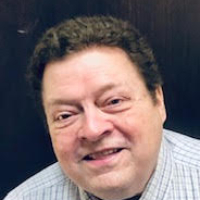
Therapist profile
Dr. Philip Townsend, TX Psychologist 21868
Texas
Dr. Philip Townsend - Psychologist focused on anger and relationships
Continue with PhilipKey details
- CredentialsTX Psychologist 21868
- LicensePsychologist, Texas / 21868
- NPI1427001882
- Experience45 years
- LanguagesEnglish
- LocationTexas
About
- CBT methods
- DBT skills
- Client-centered work
About Philip
Dr. Philip Townsend is a Texas psychologist (TX Psychologist 21868) with 45 years of clinical experience. He has worked in private practice and in institutional settings, and he sees adults for a wide range of concerns including stress, anxiety, relationship and intimacy issues, depression, addictions, grief, parenting matters, and anger.
He uses practical, skills-focused methods to help people get clearer about what they want to change. He draws on cognitive behavioral therapy, dialectical behavior therapy, and client-centered techniques to build concrete action plans. Sessions focus on identifying strengths and developing tools that support the client’s goals.
Townsend’s background includes a doctorate in clinical psychology from the University of Houston and early clinical work while serving in the U.S. Army. His history includes work at military facilities and program development for adolescent services, followed by long-term private practice and school consulting.
In sessions he aims for direct, honest communication and steady feedback rather than flattery. The emphasis is on enhancing self-esteem through straightforward work on behaviors, thoughts, and relationships. He prefers matching therapeutic ideas to the person’s existing skills so change feels doable.
People contact him about a wide set of struggles such as trauma and abuse, ADHD, bipolar concerns, codependency, impulsivity, isolation, and issues linked to family or blended-family dynamics. He also addresses less obvious strains like guilt, shame, control issues, and compassion fatigue.
How sessions work
How his approaches work in online sessions
Client-centered therapy emphasizes listening and collaboration. It focuses on a person’s perspective and builds motivation by responding to what matters most to them. This approach helps with relationship struggles, self-esteem, and figuring out personal goals.Cognitive behavioral therapy (CBT) identifies unhelpful thought and behavior patterns and teaches practical skills to change them. CBT is useful for anxiety, anger, depression, and coping with life changes because it breaks big problems into manageable steps.
Dialectical behavior therapy (DBT) offers concrete skills for managing strong emotions and improving interpersonal effectiveness. It provides breathing, attention, and behavior tools that can reduce impulsivity and help steady reactions in heated moments.
Choosing the right approach is part of the work. The therapist will collaborate with each person to test methods and see what fits their goals and preferences. That process can involve trying a skill, reviewing how it worked, and adjusting the plan together.
Confirm which session formats are currently offered before booking. Online work can make it easier to fit therapy into a busy schedule, shorten travel time, allow shorter check-ins when needed, and let people use video or audio in ways that suit their day. Those practical benefits can help therapy become an everyday habit without promising specific outcomes.
Areas of focus
Areas of expertise
Primary focus
Also works with
Additional focus areas
Therapeutic approaches
Experience
45+ years
Listed in
Texas
Languages
English
Questions
Frequently asked questions
What kinds of problems does he help with?
He works with stress, anxiety, depression, relationship and intimacy concerns, anger, addictions, grief, parenting issues, trauma and related problems.
What is his therapeutic style like?
He focuses on identifying strengths and building practical tools. Sessions emphasize clear communication and concrete action plans.
How much clinical experience does he have?
He has 45 years of clinical experience, including private practice, military service, program development, and school consulting.
What are his credentials and where is he based?
He is listed as TX Psychologist 21868 and practices in Texas.
Which languages are sessions offered in?
Sessions are offered in English.
Does he work with people outside the United States?
He does not accept international clients at this time.
How are costs handled?
Cost varies with location and sessions use a subscription that can be canceled at any time.
How do I begin a first session?
Use the See online therapy options button, complete a short matching questionnaire, and schedule the first session.
Details come from information the therapist supplied to BetterHelp. A license can be checked with the state board.
Online talk therapy is not emergency care. If anyone is unsafe, use the crisis numbers.