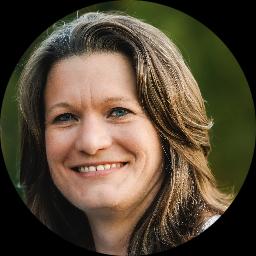
Therapist profile
Randi Senciboy, LCSW
Missouri
Licensed Clinical Social Worker - Anger and trauma
Continue with RandiKey details
- CredentialsLCSW
- LicenseLCSW, Missouri / 2021016742
- NPI1528533643
- Experience7 years
- LanguagesEnglish
- LocationMissouri
About
- CBT techniques
- Client-centered care
- Trauma work
About Randi
Randi Senciboy is a Licensed Clinical Social Worker (LCSW) in Missouri with seven years of clinical experience. She helps people who are dealing with stress, anxiety, depression, trauma and abuse, relationship and family concerns, and anger. Sessions are conducted in English and she does not take international clients.
Before moving into outpatient therapy, she spent years working on suicide crisis lines and in supported living and in-home social services. That background gave her experience with foster care, Department of Family Services cases, and clients who face chronic physical pain and grief. She has also facilitated parenting classes and provided case management supports.
Her way of working centers on client-centered care. That means she focuses on what a person needs in the moment and adapts the session to those needs. She uses practical methods such as Cognitive Behavioral Therapy and Solution-Focused Therapy to address patterns of thought and build clear, usable skills.
Randi also draws on Trauma-Focused Therapy and Internal Family Systems when trauma or complex attachment issues come up. Those approaches aim to reduce the hold of past painful events and help people understand different parts of themselves. She integrates techniques in a straightforward way and keeps the conversation grounded.
People who come for help with anger often work on managing impulses, communication habits, and underlying triggers like stress or past hurt. Her prior roles supporting crisis callers and clients in home settings inform a clinical style that is direct, practical, and oriented toward problem solving.
How sessions work
Approaches used and how online work fits
Client-centered therapy focuses on the person in front of the therapist. It means listening, asking what the client needs, and shaping sessions around those priorities. This approach helps when anger links to relationship strains or shifting life roles.Cognitive Behavioral Therapy (CBT) looks at how thoughts, feelings, and behaviors interact. It teaches concrete strategies to notice triggers, change unhelpful thinking, and practice different responses. CBT is useful for managing anger that comes from stress, work pressure, or rumination.
Trauma-Focused Therapy addresses the effects of past hurt and abuse on current reactions. It works on reducing reactivity and helping someone make sense of traumatic experiences so those memories interfere less with daily life.
Choosing an approach is collaborative. The therapist will talk with the client about goals, try methods that match those goals, and adjust based on what works. That means sessions can shift focus from skills practice to deeper trauma work as needed.
Confirm the actual online session formats before booking, as the biography does not list them. Online work can make it easier to fit sessions into a busy schedule, allow shorter check-ins when needed, and reduce travel time. Therapists and licensed professionals offer online sessions to help people build better communication, manage impulses, and handle anger in everyday settings.
Areas of focus
Areas of expertise
Primary focus
Also works with
Additional focus areas
Therapeutic approaches
Experience
7+ years
Listed in
Missouri
Languages
English
Questions
Frequently asked questions
What kinds of problems does she address?
She works with stress, anxiety, depression, trauma and abuse, relationship and family concerns, anger, and related issues such as grief and caregiver stress.
What is her general approach in sessions?
She uses a client-centered approach and adapts each session to what the person needs that day. Practical methods like CBT and solution-focused work are commonly used.
How much clinical experience does she have?
She has seven years of experience and has worked on suicide crisis lines, in supported living, in-home social services, and outpatient therapy.
What are her credentials and location?
She is a Licensed Clinical Social Worker (LCSW) licensed in Missouri and provides services from that state.
Does she offer sessions in other languages or to international clients?
Sessions are offered in English. She is not accepting international clients.
What session formats does she use?
Confirm current session formats before booking, as the biography does not specify which formats are offered.
How is cost handled for sessions?
Cost varies with location and sessions use a subscription model that can be canceled at any time.
How do I begin if I want to work with her?
Select the See online therapy options button, complete a short matching questionnaire, and schedule a first session.
Details come from information the therapist supplied to BetterHelp. A license can be checked with the state board.
Online talk therapy is not emergency care. If anyone is unsafe, use the crisis numbers.