Key details
- CredentialsLMSW
- LicenseLMSW, Michigan / 6801087049
- NPI1194853945
- Experience15 years
- LanguagesEnglish
- LocationMichigan
About
- CBT techniques
- Mindfulness practice
- Acceptance work
About Rhonda
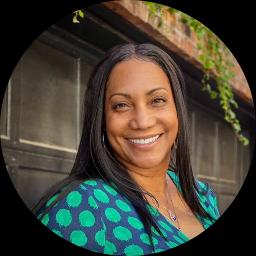
Rhonda Davis is a Licensed Master Social Worker (LMSW) practicing in Michigan with 15 years of clinical experience. She has worked with people who struggle with anxiety, depression, stress, addiction, anger, and a wide range of life transitions. Rhonda focuses on practical change and clearer daily functioning rather than jargon or long explanations.
She helps people identify patterns that keep them stuck and build concrete coping skills. That can mean improving sleep, reducing workplace frustration, resolving recurring conflicts, or easing the strain of caregiving. She also supports people dealing with grief, intimacy concerns, body image, and identity questions including LGBT and gender dysphoria related issues.
Rhonda draws on a mix of approaches to match the moment in session. She uses cognitive techniques to challenge unhelpful thoughts, mindfulness to slow reactions, and acceptance strategies to focus energy on meaningful action. Attachment-focused work is used when early relationships shape current stress or relationship patterns.
Sessions tend to be practical and collaborative. Rhonda helps people set small, achievable goals and practices to try between meetings. She pays attention to daily routines like sleep, eating, and job stress because those often drive mood and reactive anger.
People who want straightforward strategies for managing emotion and improving functioning may find her style useful. To begin, readers are asked to follow the site flow to complete the short matching questionnaire and schedule a first session.
How sessions work
Approach choices and how online sessions fit
Rhonda commonly draws on cognitive behavioral therapy and mindfulness-based methods. CBT focuses on identifying and shifting unhelpful thoughts and behaviors so day-to-day reactions change. Mindfulness work teaches simple attention and breathing practices to reduce immediate reactivity and improve sleep and focus.She also uses Acceptance and Commitment Therapy (ACT) ideas, which help people notice difficult feelings without getting ruled by them and then choose actions that line up with what matters. Each approach targets practical problems such as anger flare-ups, anxiety at work, or trouble sleeping in different ways, and together they give tools for handling strong emotions.
Deciding which approaches to use is collaborative. The therapist will ask about goals, what has or hasn’t helped before, and preferences for hands-on exercises versus discussion. That conversation helps shape a plan that fits the client's life and goals.
Confirm the exact session formats before booking since they are not specified here. Online sessions can help fit therapy into busy schedules, make shorter check-ins possible during a workday, or allow audio-only meetings when bandwidth is limited. Many people find remote sessions make it easier to keep consistent appointments and practice skills between meetings.
Areas of focus
Areas of expertise
Primary focus
Also works with
Additional focus areas
Therapeutic approaches
Experience
15+ years
Listed in
Michigan
Languages
English
Questions
Frequently asked questions
What kinds of problems does she help with?
She works with stress, anxiety, depression, anger, relationship and life transition concerns, plus a wide range of related issues such as grief, addiction, and self-esteem.
What is her approach in sessions?
She uses a collaborative, practical style drawing from CBT, mindfulness, ACT, client-centered and attachment-based methods to build skills and plan small steps forward.
How long has she been practicing clinically?
She has 15 years of clinical experience practicing in Michigan.
Which credential does she hold and where does she practice?
She is a Licensed Master Social Worker (LMSW) practicing in Michigan.
Can I work with her if English is not my first language?
Sessions are offered in English.
Does she accept clients outside the United States?
International clients are not currently accepted.
How are sessions delivered?
Please confirm current session formats before booking since session delivery options are not listed here.
How does billing and cost work?
Cost varies with location and sessions use a subscription that can be canceled at any time; follow the site flow for specific pricing details.
Details come from information the therapist supplied to BetterHelp. A license can be checked with the state board.
Online talk therapy is not emergency care. If anyone is unsafe, use the crisis numbers.