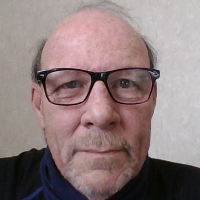
Therapist profile
Roderick Foley, LPC
Wyoming
Licensed Professional Counselor - Anger and Family
Continue with RoderickKey details
- CredentialsLPC
- LicenseLPC, Wyoming / LPC-1479
- NPI1053606723
- Experience13 years
- LanguagesEnglish
- LocationWyoming
About
- Anger management focus
- Attachment-informed work
- CBT and ACT techniques
About Roderick
Roderick Foley is a Licensed Professional Counselor (LPC) in Wyoming with 13 years of clinical experience. He focuses on concerns such as stress, anxiety, trauma and abuse, parenting, self-esteem, depression, addictions, relationship and family challenges, and anger.
He leads with straightforward, person-centered care. Sessions emphasize honesty, dignity, and respect. He draws on practical techniques rather than clinical jargon. Humor sometimes appears in session to ease tense moments.
Foley's background includes long experience in rehabilitation services dating back to 1987 and directing programs that worked with dual diagnosis, developmental disability, and acquired brain injury. He also wrote clinical curriculum for a wilderness program for Native American youth dealing with substance issues, which included intensive family work.
His current practice focuses on work with children and families, though he also offers individual and group work and couples support. Play therapy is part of his toolbox for younger clients; he also uses psycho-social group and individual therapies when useful.
Therapeutically he blends several approaches. You can expect elements of cognitive-behavioral work, acceptance and commitment ideas, attachment-informed perspectives, and client-centered techniques. He aims to set clear goals and use methods that fit the problem at hand.
Foley has been involved in telehealth since 2016 and sees remote work as a practical way to reach rural and isolated people. Before booking, confirm the current session options to make sure they match your needs.
How sessions work
Approaches and how online work can fit
Acceptance and Commitment Therapy (ACT) helps people notice unhelpful thoughts and choose actions that match their values. It is useful for anxiety, stress, and people who feel stuck and want clearer direction.Attachment-Based Therapy looks at early relationship patterns and how they shape current reactions. It can help with family conflict, parenting strains, and issues that trace back to early bonds.
Cognitive Behavioral Therapy (CBT) gives practical tools to change thoughts and behaviors that feed anger, anxiety, and depression. It often includes concrete exercises and skills to use between sessions.
Finding the right mix of approaches is part of the work. The therapist will collaborate with the client to identify goals and try methods that fit those goals and preferences rather than prescribing one single route.
Foley has experience with telehealth and sees remote work as a useful way to fit therapy into busy lives and rural routines. Because session formats are not listed in the biography, confirm the current session options before booking. Online work can make it easier to schedule appointments around work, reduce travel time, and allow shorter check-ins when a full in-person session would be harder to arrange.
Areas of focus
Areas of expertise
Primary focus
Also works with
Additional focus areas
Therapeutic approaches
Experience
13+ years
Listed in
Wyoming
Languages
English
Questions
Frequently asked questions
What kinds of problems does he help with?
He works with stress, anxiety, trauma and abuse, parenting challenges, self-esteem, depression, addictions, relationship and family issues, anger, career concerns, bipolar, ADHD, and related topics.
What is his general therapeutic style?
He uses a person-centered approach focused on honesty, dignity, and respect, combined with goal-directed methods from CBT, ACT, DBT, attachment-based, and client-centered work.
How much experience does he have?
He has 13 years of experience as an LPC and a long background in rehabilitation services dating back to 1987.
Where is he licensed and based?
He is a Licensed Professional Counselor (LPC) practicing in Wyoming.
Which languages are supported?
Sessions are offered in English.
Can international clients work with him?
He is not accepting international clients at this time.
How does cost and billing work?
Cost varies with location and sessions use a subscription that can be canceled at any time.
What should I do to start a session?
Select the See online therapy options button, complete a short matching questionnaire, and schedule a first session.
Details come from information the therapist supplied to BetterHelp. A license can be checked with the state board.
Online talk therapy is not emergency care. If anyone is unsafe, use the crisis numbers.