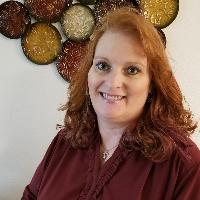
Therapist profile
Shelly Sanders, LCSW
Idaho
Licensed Clinical Social Worker - Anger and Trauma
Continue with ShellyKey details
- CredentialsLCSW
- LicenseLCSW, Idaho / LCSW - 39692
- NPI1396274056
- Experience9 years
- LanguagesEnglish
- LocationIdaho
About
- CBT skills
- DBT strategies
- EMDR when appropriate
About Shelly
Shelly Sanders is a Licensed Clinical Social Worker (LCSW) in Idaho with nine years of clinical experience. She works with adults and adolescents on problems like stress, anxiety, depression, anger, ADHD, addictions, relationship and family concerns, grief, and parenting challenges.
Shelly takes a direct and practical approach. Sessions focus on noticing patterns that lead to heated reactions, building skills to interrupt those patterns, and strengthening clearer communication. She uses methods that let people practice new responses in everyday life rather than only talking about them.
Her work draws on client-centered ideas that prioritize the person's perspective. Cognitive Behavioral Therapy (CBT) is used to identify and change unhelpful thoughts and behaviors. Dialectical Behavior Therapy (DBT) skills are offered to build emotional regulation, distress tolerance, and better interpersonal effectiveness.
Shelly also incorporates Attachment-Based ideas to look at how early relationships shape current patterns. When trauma is present, she may use Eye Movement Desensitization and Reprocessing (EMDR) techniques as appropriate. Treatment plans are described as specific, attainable, and time-sensitive.
She lists additional focus areas such as aging and geriatric issues, caregiver stress, chronic pain and illness, autism and Asperger Syndrome, blended family issues, and communication or control concerns. Language of service is English and she does not accept international clients. To begin, readers are asked to use the site's matching and scheduling flow to set up a first session.
How sessions work
How her approaches translate to online work
Attachment-Based Therapy looks at how early relationship patterns affect current reactions and bonds. Online sessions can use conversation and exercises to notice these patterns and try new ways of relating.Cognitive Behavioral Therapy (CBT) focuses on spotting unhelpful thoughts and testing new behaviors. In video or phone sessions, CBT often uses brief between-session tasks to practice skills at work or home and then review what happened.
Dialectical Behavior Therapy (DBT) teaches emotional regulation, distress tolerance, and interpersonal skills. These are taught directly in sessions and practiced afterward so clients can test the skills in real situations and report back.
Finding the right mix of approaches is part of the work. The therapist and client decide together which methods suit the person's needs, goals, and daily life. That collaborative process includes trying techniques, checking how they fit, and adjusting the plan over time.
The original biography does not list specific session formats, so confirm current options before booking. Online care can make it easier to schedule shorter check-ins, fit sessions into a workday, or reduce travel time, which helps people keep momentum while learning new ways to handle anger and stress.
Areas of focus
Areas of expertise
Primary focus
Also works with
Additional focus areas
Therapeutic approaches
Experience
9+ years
Listed in
Idaho
Languages
English
Questions
Frequently asked questions
What kinds of anger issues does she address?
She supports people who snap at loved ones, hold building resentment, feel frequent workplace frustration, or face others' anger at home.
How would she approach anger in sessions?
She uses practical skill-building from CBT and DBT to change patterns and manage intense emotions. Attachment-based work may look at how early relationships influence present reactions.
How much clinical experience does she have?
Shelly reports nine years of experience working as a therapist within broader mental health roles over more years.
What credential does she hold and where is she based?
She is a Licensed Clinical Social Worker (LCSW) practicing in Idaho.
Are sessions available in other languages or internationally?
Sessions are offered in English and she is not accepting international clients.
What session formats are offered?
The original biography does not specify session formats. Confirm current session options before booking to know which formats are available.
How are sessions priced?
Cost varies by location and sessions use a subscription that can be canceled at any time.
How do I get started with her?
Select the See online therapy options button, complete the short matching questionnaire, and schedule a first session.
Details come from information the therapist supplied to BetterHelp. A license can be checked with the state board.
Online talk therapy is not emergency care. If anyone is unsafe, use the crisis numbers.