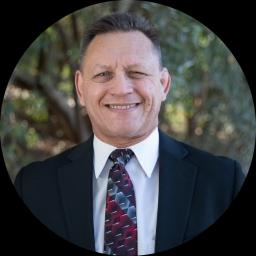
Therapist profile
Stephen Chop, LCSW-C, LCSW
Maryland
LCSW-C therapist - Anger and mood concerns
Continue with StephenKey details
- CredentialsLCSW-C, LCSW
- LicenseLCSW-C, Maryland / 08624; LCSW, Virginia / 0904014807; LCSW, Pennsylvania / CW025669
- NPI1346839651
- Experience30 years
- LanguagesEnglish
- LocationMaryland
About
- Anger management skills
- CBT and ACT methods
- Work and life stress
About Stephen
Stephen Chop is a Licensed Certified Social Worker in Maryland with three decades of clinical experience. He also holds LCSW credentials in Virginia and Pennsylvania. He works with adults on stress, anxiety, anger, depression, self-esteem, and life transitions.
He focuses on practical skills people can use when they notice their temper rising or when resentment builds. Sessions involve clear, step-by-step strategies to manage strong feelings and to reduce repeated outbursts. He also addresses related concerns such as workplace frustration, relationship strain, addictions, grief, and caregiver stress.
Stephen uses a mix of approaches that include cognitive behavioral techniques, acceptance and commitment ideas, dialectical behavior tools, and client-centered conversation. That means he helps people notice thoughts and feelings, practice new ways of responding, and clarify what matters most to them. He also brings elements of emotionally-focused work when relationship issues are present.
He draws on long experience with men's issues, midlife changes, and first responder stress to recognize patterns that keep difficult emotions active. Sessions are practical and focused on changing day-to-day reactions. Stephen encourages gradual shifts so people can test new habits outside sessions.
People starting with him are guided through straightforward planning for coping with anger and related stresses. He also supports concerns such as ADHD, parenting strain, adoption and foster care issues, and forgiveness work. To begin, readers are asked to follow the platform steps to match and schedule an initial session.
How sessions work
How evidence-based methods translate to online sessions
Acceptance and Commitment Therapy helps people clarify what matters and make small behavior changes in service of those values. It is useful for anger when someone wants to act differently in important relationships or at work. Cognitive Behavioral Therapy focuses on identifying unhelpful thoughts and testing new behaviors to reduce reactive responses. It works well for workplace anger, social frustration, and mood-driven outbursts. Dialectical Behavior Therapy teaches concrete skills for emotion regulation, distress tolerance, and interpersonal effectiveness, which can help when emotions escalate quickly.Choosing the right approach is part of the work. The therapist will collaborate with each person to decide which methods fit their goals and life. That means trying tools, checking what helps, and adjusting the plan together rather than applying a single fixed method.
Session formats are not specified in the biography, so confirm current options before booking. Online sessions can make it easier to fit therapy into a busy week, allow shorter check-ins when needed, and reduce travel time. They also let people practice skills in the settings where problems occur, such as a work break or at home, while keeping the focus on realistic, usable strategies.
Areas of focus
Areas of expertise
Primary focus
Also works with
Additional focus areas
Therapeutic approaches
Experience
30+ years
Listed in
Maryland, Virginia, Pennsylvania
Languages
English
Questions
Frequently asked questions
What kinds of anger issues does he help with?
He helps people who snap at loved ones, have workplace frustration, or carry long-standing resentment. He also addresses related mood issues that fuel angry reactions.
How would he approach anger in sessions?
He uses practical strategies from cognitive behavioral work, ACT, and DBT to change reactions and build coping skills. Sessions focus on noticing triggers and practicing new responses.
How much clinical experience does he have?
He has 30 years of professional experience working with adults on mood, stress, and life transitions. That background informs his practical, skills-based style.
What are his credentials and where is he based?
He is LCSW-C in Maryland and holds LCSW credentials in Virginia and Pennsylvania. His practice is based in Maryland.
In which languages can I work with him?
Sessions are offered in English.
Can I work with him from outside the US?
He does not accept international clients at this time.
How are session fees handled?
Cost varies with location and sessions are provided through a subscription model that can be canceled at any time.
What do I do to start a first session?
Click the See online therapy options button, complete the short matching questionnaire, and schedule your first session.
Details come from information the therapist supplied to BetterHelp. A license can be checked with the state board.
Online talk therapy is not emergency care. If anyone is unsafe, use the crisis numbers.