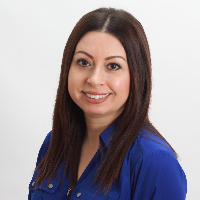
Therapist profile
Virginia Ballantyne, LCSW
California
LCSW - relationships and anger
Continue with VirginiaKey details
- CredentialsLCSW
- LicenseLCSW, California / 98267
- NPI1932509064
- Experience12 years
- LanguagesEnglish
- LocationCalifornia
About
- CBT skills
- DBT strategies
- Sex positive ally
About Virginia
Virginia Ballantyne is a Licensed Clinical Social Worker (LCSW) practicing in California with 12 years of experience. She works with people facing relationship strain, trauma and abuse, anxiety, depression, grief, and anger. Sessions address practical problems such as stress at home or work, addictive behaviors, and life changes that feel overwhelming.
Her approach centers on client-centered care and building on each person’s strengths. She uses Cognitive Behavioral Therapy (CBT) and Dialectical Behavior Therapy (DBT) skills to help people notice patterns of thinking and respond differently to strong feelings. Motivational Interviewing and Narrative Therapy are also part of her toolkit for making change clearer and more doable.
Virginia offers a direct, nonjudgmental style. She talks through concrete strategies for managing anger, improving communication, and reducing reactivity. She also supports conversations about sexual identity, intimacy, and kink without judgment, and identifies as LGBTQ+ affirming.
Her background includes many years in nonprofit and county services where she worked with disadvantaged populations and survivors of intimate partner violence. That experience informs how she handles issues like family of origin problems, caregiver stress, and domestic violence concerns.
In sessions she helps people consider different perspectives, practice new coping skills, and set realistic steps toward calmer responses. The work is collaborative and focused on what someone can do day to day to reduce conflict, manage stress, and move forward.
How sessions work
How her approaches translate to online work
Client-Centered Therapy focuses on listening, reflecting, and helping people find their own solutions. It supports issues like anger, relationship problems, and life changes by emphasizing what matters to the person. Cognitive Behavioral Therapy (CBT) breaks down thoughts, feelings, and behaviors into understandable steps and teaches concrete techniques for reducing reactivity and changing unhelpful thinking patterns. Dialectical Behavior Therapy (DBT) offers skills for emotion regulation, distress tolerance, and better interpersonal effectiveness, useful when anger feels overwhelming or leads to repeated conflict.Figuring out which method fits best is part of the work. The therapist will collaborate with the client to try approaches, adjust methods, and set goals based on what actually helps in day-to-day life. That process is practical and focused on small, testable changes rather than grand promises.
The original biography notes sessions by phone, video, or live chat. Confirm current session options before booking to be sure those formats are offered. Online sessions can make it easier to fit meetings into a busy week, allow shorter check-ins when needed, and remove travel time so people can try strategies between sessions. The therapist and client will discuss which format and pacing suit the person’s schedule and goals.
Areas of focus
Areas of expertise
Primary focus
Also works with
Additional focus areas
Therapeutic approaches
Experience
12+ years
Listed in
California
Languages
English
Questions
Frequently asked questions
What concerns does she address related to anger?
She helps with snapping at loved ones, workplace frustration, built-up resentment, and anger tied to trauma, addiction, or relationship problems.
What is her therapy style like?
She works in a client-centered, nonjudgmental way and mixes practical skills with longer-term narrative work to change patterns that fuel anger.
How much experience does she have?
She has 12 years of clinical experience, including work in nonprofit and county settings with survivors of intimate partner violence and disadvantaged groups.
What are her credentials and location?
She is a Licensed Clinical Social Worker (LCSW) licensed in California and practices with clients who reside in that state.
Which languages are supported?
Sessions are offered in English.
Can international clients work with her?
She does not accept international clients at this time; she works with people who reside in California.
How does cost and payment work?
Cost varies with location; sessions use a subscription model that can be canceled at any time.
How do I begin working with her?
Click the See online therapy options button, complete a short matching questionnaire, and schedule a first session.
Details come from information the therapist supplied to BetterHelp. A license can be checked with the state board.
Online talk therapy is not emergency care. If anyone is unsafe, use the crisis numbers.