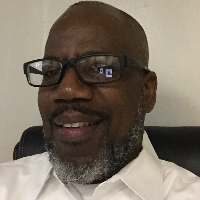
Therapist profile
Dr. Antimoore Jackson, LCSW
Arkansas
LCSW - Anger and Stress work
Continue with AntimooreKey details
- CredentialsLCSW
- LicenseLCSW, Arkansas / 1568-C
- NPI1376756098
- Experience40 years
- LanguagesEnglish
- LocationArkansas
About
- Anger management skills
- CBT and DBT methods
- Trauma informed care
About Antimoore
Dr. Antimoore Jackson is an LCSW (Licensed Clinical Social Worker) based in Arkansas with 40 years of experience. He works with adults facing stress, anxiety, addiction, trauma and abuse, depression, anger, relationship and parenting struggles, and other life challenges. Sessions are conducted in English and aimed at people who want practical ways to handle strong feelings and everyday problems.
Jackson’s long career includes work across many settings and with many kinds of people. That background means he often spots patterns quickly and focuses on concrete steps a person can take. He uses straightforward, direct conversation rather than jargon or vague reassurance.
His approach draws on several established methods, including Acceptance and Commitment Therapy (ACT), Cognitive Behavioral Therapy (CBT), Dialectical Behavior Therapy (DBT), Attachment-Based Therapy, and Client-Centered Therapy. In practice that means looking at thoughts and behaviors, learning skills to tolerate strong emotions, and paying attention to how early relationships shape current reactions.
In a session he will listen to what is happening now, identify triggers and coping gaps, and work with the person to try new responses. Expect practical skill teaching, behavior-focused plans, and discussion of what gets in the way of change. He aims to be clear and direct about next steps.
Fees vary by location and sessions use a subscription model that can be canceled at any time. To begin, use the See online therapy options button, complete the short matching questionnaire, and schedule a first session.
How sessions work
How therapeutic approaches are used online
Acceptance and Commitment Therapy (ACT) focuses on clarifying personal values and learning to act despite difficult thoughts or feelings; it is useful for anger, avoidance, and life transitions. Cognitive Behavioral Therapy (CBT) looks at the link between thoughts, feelings, and behaviors and teaches practical skills to change unhelpful patterns; it helps with anxiety, depression, and anger management. Dialectical Behavior Therapy (DBT) emphasizes emotion regulation, distress tolerance, and interpersonal effectiveness skills that can reduce intense reactivity and improve relationship handling.Finding the right approach is part of the work. The therapist discusses goals, preferences, and what has or hasn’t worked before and then tries methods together. This makes choosing strategies collaborative rather than fixed from the start.
Confirm current session options before booking. The practical benefits of online work often include fitting therapy into a busy day, shorter check-ins when needed, and using a format that reduces travel time. Online sessions can make it easier to practice skills between meetings and to bring real-life situations into discussion. Ask about the specific session formats available when you schedule so you know what to expect.
Areas of focus
Areas of expertise
Primary focus
Also works with
Additional focus areas
Therapeutic approaches
Experience
40+ years
Listed in
Arkansas
Languages
English
Questions
Frequently asked questions
What kinds of problems does he help with?
He works with stress, anxiety, addictions, trauma and abuse, depression, anger, relationship and parenting issues, and related concerns listed in his profile.
What is his therapeutic style?
He uses direct, practical conversation and teaches skills. He combines behavioral tools with reflection on relationships and values.
How long has he been practicing?
He has 40 years of experience in counseling across many clinical settings.
What are his credentials and where is he based?
He is an LCSW licensed in Arkansas and practices from that state.
Which languages are offered?
Sessions are offered in English only.
Does he accept international clients?
He does not accept international clients at this time.
How much do sessions cost?
Cost varies with location and sessions are provided through a subscription that can be canceled at any time.
How do I get started?
Click the See online therapy options button, complete the short matching questionnaire, and schedule a first session.
Details come from information the therapist supplied to BetterHelp. A license can be checked with the state board.
Online talk therapy is not emergency care. If anyone is unsafe, use the crisis numbers.