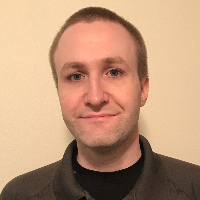
Therapist profile
David Bradshaw, LMHC
Washington
Licensed Mental Health Counselor - Anger and Anxiety
Continue with DavidKey details
- CredentialsLMHC
- LicenseLMHC, Washington / MHC.LH.61096847
- NPI1316421639
- Experience8 years
- LanguagesEnglish
- LocationWashington
About
- ACT techniques
- CBT skill work
- DBT coping skills
About David
David Bradshaw is a Licensed Mental Health Counselor (LMHC) based in Washington with eight years of clinical experience. He began practicing in October 2018 after completing a M.S. in Clinical Mental Health Counseling, and he works with adults on common problems such as stress, anxiety, depression, and anger.
He helps people facing addiction, trauma and abuse, bipolar disorder, and grief. Relationship, intimacy-related concerns, and issues around self-esteem and career are also among his areas of focus. He lists ADHD, compassion fatigue, parenting strains, and eating concerns as matters he addresses in sessions.
His background includes five years working in corrections and law enforcement before moving into counseling work. That experience shapes a practical, grounded approach to talking through difficult material. He also draws on personal practices such as yoga and meditation in how he frames coping skills.
Clinically he uses methods like Acceptance and Commitment Therapy (ACT), Cognitive Behavioral Therapy (CBT), Dialectical Behavior Therapy (DBT), Client-Centered Therapy, and Motivational Interviewing. Sessions tend to focus on concrete skills, values-based goals, and noticing patterns that keep problems going.
Outside of work he reads, builds desktop computers, and spends time camping and backpacking. He lives in Washington and offers services in English, and he accepts international clients. To begin, people complete a short matching questionnaire and schedule a first session.
How sessions work
How his approaches translate to online work
Acceptance and Commitment Therapy (ACT) focuses on clarifying what matters to a person and building small actions that align with those values. It helps with persistent anger, anxiety, and life transitions by shifting attention toward chosen behaviors rather than getting stuck on difficult thoughts. Cognitive Behavioral Therapy (CBT) looks at the links between thoughts, feelings, and actions and teaches concrete skill drills to change those patterns. It is useful for anxiety, depression, and habit-driven responses like snapping at others.Finding the right approach is part of the work. The therapist will collaborate with each person to decide whether ACT, CBT, DBT skills, or motivational interviewing fits their goals and preferences. That choice can shift over time as goals change or new challenges appear.
Session formats are not listed in the biography, so confirm current options before booking. Online work can make it easier to fit sessions into a busy week, allow shorter check-ins when needed, and remove travel time. People often use online sessions to practice skills in real-life contexts, review homework between meetings, and keep momentum when schedules are tight.
Areas of focus
Areas of expertise
Primary focus
Also works with
Additional focus areas
Therapeutic approaches
Experience
8+ years
Listed in
Washington
Languages
English
Questions
Frequently asked questions
What kinds of concerns does he address?
He works with adult concerns including stress, anxiety, depression, anger, addictions, trauma and abuse, bipolar disorder, grief, relationship and intimacy issues, self-esteem, career challenges, ADHD, and parenting-related strain.
What is his therapeutic style like?
He uses practical, skill-focused methods such as Acceptance and Commitment Therapy, Cognitive Behavioral Therapy, Dialectical Behavior Therapy, Client-Centered Therapy, and Motivational Interviewing to help clients notice patterns and build new coping strategies.
How much clinical experience does he have?
He has eight years of practice experience, beginning his counseling work in October 2018 after prior work in corrections and law enforcement.
What credential does he hold and where is he based?
He is a Licensed Mental Health Counselor (LMHC) licensed in Washington and lives in Washington State.
Can sessions be conducted in languages other than English?
Sessions are offered in English.
Does he work with clients outside the United States?
He accepts international clients, so people outside the U.S. can be matched for sessions.
How are session costs handled?
Cost varies with location; sessions use a subscription model that can be canceled at any time.
What do I need to do to start working with him?
Start by selecting the See online therapy options button, complete a short matching questionnaire, and then schedule a first session.
Details come from information the therapist supplied to BetterHelp. A license can be checked with the state board.
Online talk therapy is not emergency care. If anyone is unsafe, use the crisis numbers.