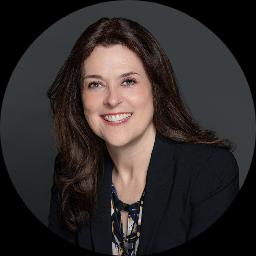
Therapist profile
Glenna Rodgers, LPC
Arkansas
Licensed Professional Counselor - Anger and Mood Concerns
Continue with GlennaKey details
- CredentialsLPC
- LicenseLPC, Arkansas / P0611066; LPC, Mississippi / 2145; LPC, New Jersey / 37PC00906700; LPC, Virginia / 0701012184
- NPI1982134441
- Experience27 years
- LanguagesEnglish
- LocationArkansas
About
- CBT strategies
- DBT skills
- Trauma-focused work
About Glenna
Glenna Rodgers is a Licensed Professional Counselor (LPC) with 27 years of clinical experience. She practices in Arkansas and has spent decades helping adults handle stress, anxiety, depression, relationship strain, focus problems, and low self-esteem. Her work also addresses anger, grief, trauma and abuse, addictions, parenting challenges, sleep and eating concerns, and career questions.
Rodgers takes a direct, practical approach in sessions. She listens and helps people notice patterns in thoughts and actions. Then she coaches simple, repeatable skills to manage emotions and improve daily functioning. Sessions focus on small changes that make life easier rather than abstract theory.
Her methods draw on client-centered work, cognitive behavioral techniques, dialectical behavior skills, and trauma-focused strategies. That mix is used to reduce overwhelm, improve emotional regulation, and support clearer decision-making. She helps people translate new skills into real situations at home and at work.
Glenna uses short teaching moments and guided practice during appointments. She often sets concrete goals and homework to build momentum between sessions. The aim is steady progress: fewer impulsive reactions, clearer communication, and more consistent coping skills.
She treats a wide range of concerns including ADHD, bipolar issues, compassion fatigue, and complex conditions that coexist. For someone frustrated by repeated arguments, workplace irritability, or built-up resentment, her style is practical, focused, and skill-oriented.
How sessions work
How her approaches translate to online work
Client-Centered Therapy focuses on a respectful, nonjudgmental conversation where the person leads the topics. It helps people clarify what matters most and decide what they want to change. Cognitive Behavioral Therapy (CBT) breaks problems into thoughts, feelings, and actions and teaches exercises to shift unhelpful thinking and behavior. CBT is often used for anxiety, depression, anger, and focus problems. Dialectical Behavior Therapy (DBT) provides concrete skills for emotion regulation, distress tolerance, and interpersonal effectiveness to reduce overwhelming reactions and improve relationships.Finding the right approach is part of the work. The therapist will talk with the client about goals and try methods that fit those goals and the client’s everyday life. That collaborative process means approaches can be adjusted as needs and priorities become clearer.
If you plan to use online sessions, confirm the current session options before booking. The practical benefits of remote appointments include easier scheduling around work or caregiving, shorter check-ins when needed, and avoiding travel time. Some people find video helpful for role-playing communication skills, while audio-only can be a simpler option for brief check-ins. Ask about formats when you schedule to pick what fits your routine.
Areas of focus
Areas of expertise
Primary focus
Also works with
Additional focus areas
Therapeutic approaches
Experience
27+ years
Listed in
Arkansas, Mississippi, New Jersey, Virginia
Languages
English
Questions
Frequently asked questions
What kinds of problems does she help with?
She works with stress, anxiety, depression, anger, relationship strain, grief, trauma, addictions, parenting challenges, focus and self-esteem issues.
How would she approach anger and strong emotions?
She uses practical strategies from DBT and CBT to teach emotion regulation, reduce impulsive reactions, and improve communication.
How much clinical experience does she have?
She has 27 years of experience working with adults across a broad range of concerns.
What are her credentials and where does she practice?
She is a Licensed Professional Counselor (LPC) with licensure listed as NJ LPC and MS LPC and practices in Arkansas.
Can I work with her in a language other than English?
Sessions are offered in English.
Does she work with international clients?
She is not currently accepting international clients.
How are sessions paid for and what does it cost?
Cost varies with location and sessions use a subscription that can be canceled at any time.
What do I do to begin working with her?
Select the See online therapy options button, complete a short matching questionnaire, and schedule a first session.
Details come from information the therapist supplied to BetterHelp. A license can be checked with the state board.
Online talk therapy is not emergency care. If anyone is unsafe, use the crisis numbers.