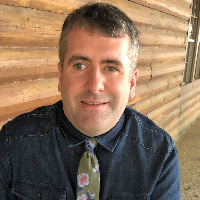
Therapist profile
Lannie Cox, LPC
Texas
LPC in Texas - Anger and Relationship support
Continue with LannieKey details
- CredentialsLPC
- LicenseLPC, Texas / 79659
- NPI1326605197
- Experience3 years
- LanguagesEnglish
- LocationTexas
About
- CBT and DBT methods
- Gottman informed work
- Mindfulness practice
About Lannie
Lannie Cox is a Licensed Professional Counselor (LPC) in Texas with three years of clinical experience. He helps people who feel stuck and want better ways to handle stress, anger, anxiety, relationship strain, parenting pressures, grief, and other life changes.
He listens first and looks for practical next steps. Sessions focus on clarifying what is not working and trying small changes to see what helps. Lannie draws on several approaches so conversations stay concrete and action-oriented rather than abstract.
Before counseling, he spent 15 years in corporate communications and public relations. That background shapes a direct, problem-focused style that suits people juggling work and family demands. He also holds a master’s in Clinical Mental Health Counseling from West Texas A&M University.
Lannie uses methods such as Cognitive Behavioral Therapy, Dialectical Behavior Therapy, Emotionally-Focused Therapy, the Gottman Method, and Mindfulness Therapy depending on the need. He helps people examine patterns, practice different responses, and build new habits for handling anger, impulsivity, and communication problems.
He mentions everyday life details in session, including parenting and the stresses that come with it. He describes encouragement and listening as central tools, and sometimes brings humor into work life by mentioning his seeing-eye dog Abbott.
People who want clear, steady guidance for anger, relationship issues, or coping with change often find this practical approach useful. If you want to try straightforward, skills-based work, he asks some questions, then helps you test what actually makes life easier.
How sessions work
Approaches for online work and practical benefits
Dialectical Behavior Therapy (DBT) focuses on building emotion regulation, distress tolerance, and interpersonal skills. It helps people who have strong emotional reactions or impulsive behaviors practice concrete strategies to manage those moments. Cognitive Behavioral Therapy (CBT) looks at the links between thoughts, feelings, and actions. It uses short exercises and experiments to change unhelpful thinking patterns and reduce reactivity to triggers.Finding the right approach is part of the work. Lannie will collaborate with each person to decide whether CBT, DBT, Emotionally-Focused ideas, the Gottman method, or mindfulness is the better fit based on goals and preferences. That decision can shift as progress is made, and sessions adapt to what proves helpful.
Session formats are not specified in the biography, so confirm current online options before booking. Many people like online sessions because they can fit appointments around work or family schedules, make shorter check-ins possible, and avoid travel time. If camera time is difficult, therapists and clients often agree on alternatives that suit a quieter setting, lower bandwidth, or a brief phone-style check-in. These practical benefits can make ongoing work easier to maintain alongside everyday responsibilities.
Areas of focus
Areas of expertise
Primary focus
Also works with
Additional focus areas
Therapeutic approaches
Experience
3+ years
Listed in
Texas
Languages
English
Questions
Frequently asked questions
What concerns does he address related to anger?
He works with anger alongside stress, anxiety, relationship strain, parenting pressures, trauma, grief, and related issues such as impulsivity and communication problems.
What is his general therapy style?
He listens for what is not working and focuses on practical steps. The style is direct and problem-focused, with an emphasis on testing changes that fit daily life.
How much clinical experience does he have?
He has three years of counseling experience and earlier spent 15 years in corporate communications and public relations before moving into mental health work.
What are his credentials and where is he based?
He is a Licensed Professional Counselor (LPC) practicing in Texas and holds a master’s degree in Clinical Mental Health Counseling from West Texas A&M University.
Which languages are sessions offered in?
Sessions are offered in English.
Can international clients work with him?
He does accept international clients; confirm logistics and session options before scheduling.
How does pricing work?
Cost varies with location and sessions use a subscription that can be canceled at any time.
How do I get started with a first session?
Select the See online therapy options button, complete a short matching questionnaire, and then schedule your first session.
Details come from information the therapist supplied to BetterHelp. A license can be checked with the state board.
Online talk therapy is not emergency care. If anyone is unsafe, use the crisis numbers.