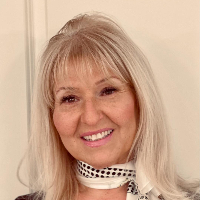
Therapist profile
Dr. Nelly Gregorian-DeLeon, LMFT
North Carolina
Dr. Nelly Gregorian-DeLeon LMFT - Relationships and Anger
Continue with NellyKey details
- CredentialsLMFT
- LicenseLMFT, California / 97450; LMFT, Connecticut / 3114; LMFT, North Carolina / 2548
- NPI1841739604
- Experience15 years
- LanguagesEnglish, Armenian, Persian
- LocationNorth Carolina
About
- CBT techniques
- Client-centered work
- Trauma informed approach
About Nelly
Dr. Nelly Gregorian-DeLeon is a licensed marriage and family therapist (LMFT) with 15 years of clinical experience. She is licensed in California and North Carolina and works with adults coping with relationship struggles, trauma, grief, parenting stress, depression, anxiety, and anger. She speaks English, Armenian, and Persian, and accepts international clients.
In sessions she uses clear, practical steps rather than jargon. She draws on several approaches to match a person's needs, including client-centered work and cognitive behavioral strategies. Conversations often focus on identifying patterns, managing intense feelings, and building better communication skills.
Dr. Gregorian-DeLeon has worked with people affected by domestic and sexual violence, survivors of childhood abuse, and others facing high-conflict relationships. She also supports those dealing with life transitions, caregiver strain, and career or role changes. Her background includes work across different countries and cultural settings.
Therapy can include direct skill-building for stress and anger, narrative work to make sense of a difficult past, and attention to meaning and values when life feels uncertain. Sessions may also explore family-of-origin issues and commitment or control problems that keep repeating.
Practical goals tend to guide the work: reduce reactivity, improve communication, and find tolerable ways to handle grief and loss. To begin she asks people to describe the immediate problems they want to change and the small steps they are willing to try.
How sessions work
How her approaches translate to online work
Client-centered therapy focuses on listening and following what matters to the person. The therapist reflects concerns, clarifies goals, and supports the client in finding solutions that feel right. This approach helps when someone needs a steady, respectful listener while sorting difficult feelings. Cognitive Behavioral Therapy (CBT) breaks problems into thoughts, feelings, and actions. Sessions teach concrete strategies to notice unhelpful thoughts and test new behaviors. CBT is often useful for managing anger, anxiety, stress, and depression because it gives clear practices to try between sessions. Existential therapy looks at meaning, choices, and responsibility. It can help when life changes or losses leave someone questioning purpose or direction. Choosing the right mix of approaches is part of the work. The therapist collaborates with each person to decide which methods fit their goals and preferences, and she adjusts the plan as progress is made. Confirm current session options before booking, as the biography does not list specific formats. Online sessions can make it easier to fit therapy into a busy life - for example, shorter check-ins during a work break, or avoiding travel time. They also allow people in other locations to work with a licensed professional in North Carolina.Areas of focus
Areas of expertise
Primary focus
Also works with
Additional focus areas
Therapeutic approaches
Experience
15+ years
Listed in
California, Connecticut, North Carolina
Languages
English, Armenian, Persian
Questions
Frequently asked questions
What kinds of concerns does she help with?
She works with relationship issues, grief, parenting stress, depression, anxiety, trauma, anger, and related life changes.
What is her therapy style like?
She uses practical, conversational sessions combining client-centered and cognitive behavioral approaches with narrative and depth-oriented methods.
How much clinical experience does she have?
She has 15 years of clinical experience working with a range of emotional and relational problems.
What are her credentials and where is she based?
She is an LMFT licensed in California and North Carolina and provides services listed from North Carolina.
Which languages can sessions be offered in?
Sessions are offered in English, Armenian, and Persian.
Does she work with international clients?
Yes, she accepts international clients.
How are fees handled?
Cost varies with location and sessions use a subscription model that can be canceled at any time.
How do I get started with her?
Select the See online therapy options button, complete the short matching questionnaire, and schedule a first session.
Details come from information the therapist supplied to BetterHelp. A license can be checked with the state board.
Online talk therapy is not emergency care. If anyone is unsafe, use the crisis numbers.