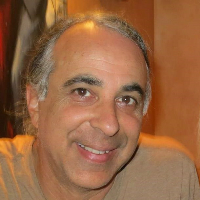
Therapist profile
Paul Dokey, LCSW
Montana
Licensed Clinical Social Worker - Anger and Relationships
Continue with PaulKey details
- CredentialsLCSW
- LicenseLCSW, Montana / BBH-LCSW-LIC-754
- NPI1003975301
- Experience20 years
- LanguagesEnglish
- LocationMontana
About
- CBT methods
- Mindfulness skills
- Present focused work
About Paul
Paul Dokey is a Licensed Clinical Social Worker (LCSW) in Montana with 20 years of clinical experience. He works with adults who are managing stress, anxiety, anger, grief, relationship strain, addiction, trauma, attention difficulties, and other life changes. He focuses on practical steps people can take when emotions become overwhelming or start to interfere with daily life.
He uses present-focused conversation to help people sort out what’s happening now and decide what to change. Paul leans on cognitive behavioral ideas to spot unhelpful thinking and offers skills to shift those patterns. He also incorporates mindfulness practices to help people notice emotions without being driven by them.
Paul trained in social work and holds a Bachelor’s degree in Cultural Anthropology. Over two decades he has worked with people facing depression, PTSD and trauma, complicated bereavement, and relationship problems. That experience informs how he listens and the practical tools he suggests.
Sessions tend to be straightforward and grounded in everyday concerns. Paul talks through concrete strategies for handling anger, improving communication, and reducing reactivity. He emphasizes small, doable changes that add up over time.
Clients who reach out can expect clear, task-focused discussions alongside attention to emotional experience. He accepts international clients and conducts therapy in English. Before booking, confirm current session options and the logistical details through the platform.
How sessions work
How his approaches translate to online work
Paul often uses Acceptance and Commitment Therapy (ACT) and Cognitive Behavioral Therapy (CBT) in his practice. ACT focuses on clarifying values and building small actions that move a person toward those values even when emotions are strong. CBT looks at thought patterns and behavior links and teaches skills to shift unhelpful thinking and reduce reactive responses.Finding the right approach is part of the work. He will collaborate with clients to decide which methods fit their goals and preferences. That decision is revisited as progress is made and circumstances change.
Session formats are not listed in the biography, so confirm which online options are offered before booking. Online work can make it easier to fit brief check-ins into a busy day, avoid travel time, and practice skills in everyday settings. Therapists can adjust pacing, use short exercises between meetings, and focus sessions on the immediate problems people bring in, which helps when anger shows up at work or at home.
Areas of focus
Areas of expertise
Primary focus
Also works with
Additional focus areas
Therapeutic approaches
Experience
20+ years
Listed in
Montana
Languages
English
Questions
Frequently asked questions
What concerns does he address related to anger?
He works with stress, anger, relationship strain, trauma, grief, addiction, and related challenges that increase irritability and reactivity.
What is his therapeutic style?
He uses present-focused conversation with cognitive behavioral and mindfulness techniques to help people notice and change unhelpful patterns.
How much clinical experience does he have?
He has 20 years of experience working in psychotherapy settings with adults facing depression, trauma, ADHD, and relationship issues.
What credential and location are listed?
He is an LCSW licensed in Montana and practices there as a clinical social worker.
Which languages and international options are supported?
Sessions are offered in English and he accepts international clients.
What session formats are available?
Current session formats are not specified here, so confirm the exact online session options before booking.
How are costs handled?
Cost varies by location and sessions use a subscription that can be canceled at any time.
How do I begin working with him?
Select the See online therapy options button, complete the short matching questionnaire, and schedule a first session.
Details come from information the therapist supplied to BetterHelp. A license can be checked with the state board.
Online talk therapy is not emergency care. If anyone is unsafe, use the crisis numbers.