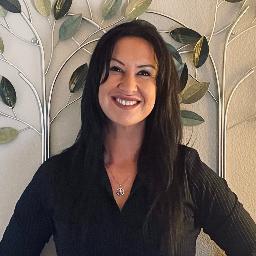
Therapist profile
Sarah Newmeyer, LCSW
Nevada
Licensed Clinical Social Worker - Anger and Relationships
Continue with SarahKey details
- CredentialsLCSW
- LicenseLCSW, Nevada / 8155-C
- NPI1699017186
- Experience17 years
- LanguagesEnglish
- LocationNevada
About
- CBT techniques
- DBT skills
- Values work
About Sarah
Sarah Newmeyer is a Licensed Clinical Social Worker (LCSW) in Nevada with 17 years of experience. She works with adults on stress, anxiety, addictions, relationship struggles, trauma and abuse, depression, grief, anger, self-esteem, and a range of related concerns. She also addresses parenting strains, intimacy issues, and life changes.
Her approach is interactive and client-centered. She listens first, then uses straightforward tools to help people name what is happening. Sessions often include practical exercises and psychoeducational material to prompt reflection and new habits. Sarah emphasizes clear goals that reflect what each person wants to change.
She draws on Cognitive Behavioral Therapy (CBT) to look at thought patterns and behaviors that keep problems going. Dialectical Behavior Therapy (DBT) skills are used for emotion regulation and distress tolerance. Acceptance and Commitment Therapy (ACT) and attachment-based ideas help with values, meaning, and relationship patterns.
Sarah has worked across settings with diverse adult populations, including veterans and caregivers, and has experience with substance use and co-occurring problems. That background informs a practical focus on coping skills and problem solving. She helps people handle both immediate stress and longer-term patterns.
People seeking support for anger will find conversations that focus on understanding triggers, building alternative responses, and reducing the harm that anger causes in daily life. Sessions aim to be straightforward and usable between meetings. If someone wants to begin, they follow the provider's booking steps to match and schedule a first appointment.
How sessions work
How her approaches work in online sessions
Acceptance and Commitment Therapy (ACT) focuses on values and committed action. It helps people notice unhelpful thoughts, choose the values they want to live by, and take small steps toward those values despite difficult feelings. Cognitive Behavioral Therapy (CBT) targets the thoughts and behaviors that maintain problems, offering concrete exercises to test beliefs and build new habits. Dialectical Behavior Therapy (DBT) teaches skills for emotion regulation, distress tolerance, and clearer communication, useful when anger or intense feelings are frequent.Deciding which combination of approaches to use is a collaborative process. The therapist will work with the client to try approaches that fit their goals and preferences, adjusting methods based on what helps in real life. That practical, trial-and-adjust approach is part of early sessions.
Session formats should be confirmed before booking. When arranging online appointments, people often find it easier to fit sessions into their schedule and to use shorter check-ins when time is tight. Phone sessions can reduce the need for video and lower bandwidth. Whatever the format, the focus remains on skills and strategies that can be practiced between meetings and applied to situations like work stress, family tension, or personal triggers.
Areas of focus
Areas of expertise
Primary focus
Also works with
Additional focus areas
Therapeutic approaches
Experience
17+ years
Listed in
Nevada
Languages
English
Questions
Frequently asked questions
What kinds of concerns does she help with?
She works with stress, anxiety, addictions, relationship problems, trauma and abuse, depression, grief, anger, self-esteem, parenting, and related issues.
What is her therapeutic style?
Her style is interactive and client-centered. She listens first and uses practical exercises and psychoeducational tools to guide discussion and reflection.
How much clinical experience does she have?
She has 17 years of clinical experience and has worked with adults in a variety of settings, including with veterans and caregivers.
What are her credentials and where is she based?
She is a Licensed Clinical Social Worker (LCSW) licensed in Nevada.
Does she offer sessions in other languages or to international clients?
Sessions are offered in English. She is not accepting international clients at this time.
What session formats are available?
Please confirm current session options before booking as formats are not specified here.
How does the subscription and cost work?
Cost varies with location and sessions use a subscription model that can be canceled at any time.
How do I begin working with her?
Select the See online therapy options button, complete a short matching questionnaire, and schedule a first session.
Details come from information the therapist supplied to BetterHelp. A license can be checked with the state board.
Online talk therapy is not emergency care. If anyone is unsafe, use the crisis numbers.